
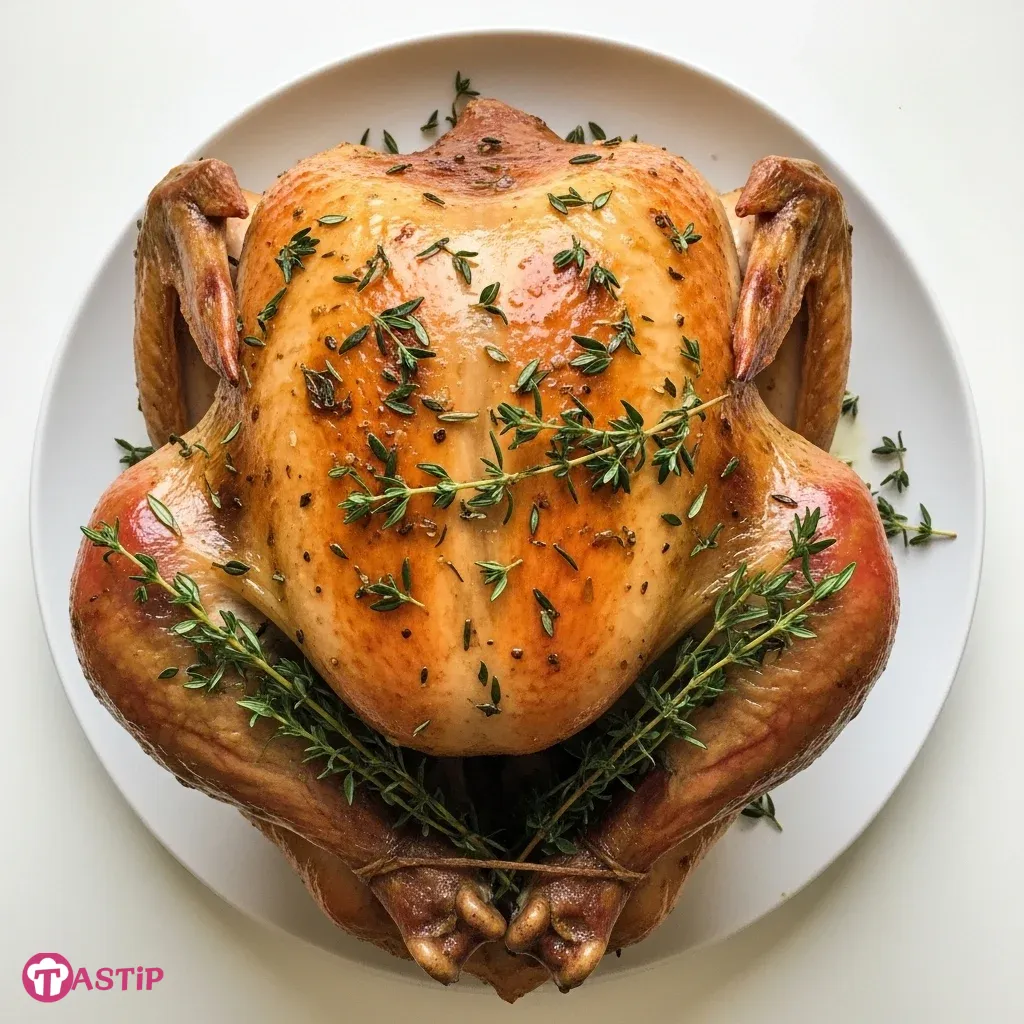
Achieving the perfect balance of crispy, golden-brown skin and succulent, moisture-rich meat is the ultimate goal for any home cook tackling a Lemon Herb Roast Turkey. Many cooks struggle with the inherent challenge of poultry: the lean breast meat often dries out long before the dark meat reaches its safe consumption temperature. This recipe utilizes a scientific approach to heat transfer and flavor infusion, ensuring every slice is seasoned to the bone.
By incorporating bright citrus acids and aromatic phytochemicals from fresh herbs, we create a profile that is both sophisticated and approachable. Furthermore, the use of a compound butter under the skin acts as an insulation layer, slowing down the evaporation of internal juices. This Lemon Herb Roast Turkey represents the intersection of culinary art and thermal dynamics. Whether you are hosting a holiday feast or a large Sunday dinner, understanding the mechanics of this roast will elevate your cooking immediately.
Why You’ll Love This Lemon Herb Roast Turkey
- Unmatched Moisture Retention: The combination of dry brining and fat-based insulation ensures that your Lemon Herb Roast Turkey remains juicy, even in the typically dry breast sections.
- Complex Flavor Profile: You will enjoy a sophisticated interplay between the bright, sharp acidity of fresh lemon and the earthy, woodsy notes of rosemary, sage, and thyme.
- Technique-Driven Results: This recipe prioritizes the “why” behind the cooking process, giving you the skills to replicate a perfect Lemon Herb Roast Turkey every single time without guesswork.
- Nutrient-Dense Preparation: By using fresh herbs and citrus rather than heavy sugars or processed additives, this Lemon Herb Roast Turkey provides a lean, high-protein meal rich in antioxidants and vitamins.
Ingredients You’ll Need
Selecting high-quality ingredients is the foundation of a successful Lemon Herb Roast Turkey. I recommend sourcing a fresh, organic turkey if possible, as these birds often have better cellular structure and less water-weight than frozen, pre-basted options. Pay close attention to the freshness of your herbs; the volatile oils that provide flavor dissipate quickly once the plant is harvested.
- Whole Turkey: One 12 to 14-pound bird, completely thawed if previously frozen.
- Unsalted Butter: High-quality European-style butter provides a higher fat content for better browning.
- Fresh Lemons: Three large lemons, used for both the compound butter and the cavity aromatics.
- Fresh Rosemary: Provides earthy, pine-like aromatic compounds.
- Fresh Thyme: Adds a subtle, minty, and floral layer to the Lemon Herb Roast Turkey.
- Fresh Sage: Offers a peppery, savory depth that defines traditional roast poultry.
- Kosher Salt: Essential for the dry-brining process to denature proteins.
- Cracked Black Pepper: Provides a sharp, pungent bite to balance the fat.
- Garlic: One whole head, halved crosswise to release allicin and sulfur compounds.
- Yellow Onion: One large onion to provide sweetness and moisture from the cavity.
Substitutions & Variations
While the classic Lemon Herb Roast Turkey relies on butter and traditional poultry herbs, you can modify the ingredients to suit various dietary needs or flavor preferences without sacrificing the science of the roast.
If you are avoiding dairy, replace the butter with a high-smoke-point oil like avocado oil or a high-quality vegan butter substitute. These fats will still facilitate the Maillard reaction, which is the chemical reaction between amino acids and reducing sugars that gives browned food its distinctive flavor.
For a different aromatic profile, try substituting the lemon with Meyer lemons for a sweeter, more floral note, or even orange zest for a deeper citrus punch. You can also swap the rosemary for oregano if you prefer a more Mediterranean-style Lemon Herb Roast Turkey. However, always ensure you use fresh herbs rather than dried ones; dried herbs contain concentrated oils that can become bitter during a long roasting process.
If you’re interested in exploring different seafood options that also feature bright lemon flavors, consider trying out our recipe for Lemon Garlic Grilled Cod. This dish offers a refreshing twist with similar herbaceous notes that perfectly complement any meal.
Step-by-Step Instructions
- Prepare and Dry Brine: Remove the turkey from its packaging and pat the skin completely dry with paper towels. Removing surface moisture is critical for the “pellicle” to form, which leads to crispier skin. Rub Lemon Herb Roast Turkey generously with kosher salt, including the cavity. Place it on a rack in a roasting pan and refrigerate uncovered for at least 12 hours, or up to 24 hours.
- Tempering the Bird: Take the turkey out of the refrigerator 1 hour before roasting. This allows the internal temperature to rise slightly, ensuring more even heat distribution. If you put a cold bird in a hot oven, the exterior will overcook before the center reaches safety.
- Create the Compound Butter: In a medium bowl, combine softened unsalted butter with lemon zest, minced rosemary, thyme, sage, salt, and pepper. The fat in the butter acts as a solvent, extracting the fat-soluble flavor compounds from the herbs. This ensures the Lemon Herb Roast Turkey is seasoned from within.
- Apply the Flavor Layer: Gently loosen the skin over the breast and thighs using your fingers. Be careful not to tear the skin. Spread the herb butter directly onto the meat under the skin. This creates a barrier that prevents moisture from escaping. Rub any remaining butter over the outside of the skin.
- Stuff the Cavity: Place the halved lemon, garlic head, and onion inside the turkey cavity. These ingredients release steam as they heat up, flavoring the Lemon Herb Roast Turkey from the inside out and maintaining a humid environment within the bird.
- Roasting Process: Preheat your oven to 450°F (232°C). Place the turkey in the oven and immediately reduce the temperature to 325°F (163°C). This initial blast of heat starts the Maillard reaction, while the lower temperature ensures the Lemon Herb Roast Turkey cooks gently and evenly.
- Monitor Temperature: Roast until a meat thermometer inserted into the thickest part of the thigh (without touching bone) registers 165°F (74°C). The breast should reach 160°F (71°C) at this point, as it will continue to cook during the resting phase.
- Resting: This is the most crucial step for a Lemon Herb Roast Turkey. Transfer the bird to a cutting board and let it rest for at least 30 to 45 minutes. During this time, the muscle fibers relax and reabsorb the juices. If you carve too early, the moisture will run out, leaving the meat dry.
Pro Tips for Success
From a food science perspective, the secret to a world-class Lemon Herb Roast Turkey lies in managing moisture and heat. First, never trust the “pop-up” timer that comes with many turkeys; these are notoriously inaccurate and usually pop far too late, resulting in overcooked meat. Use a high-quality digital probe thermometer instead.
Second, consider the “Delta-T” roasting method. By starting at a high temperature and dropping it, you create a temperature gradient that browns the skin quickly without toughening the outer layers of the meat. Furthermore, do not baste your Lemon Herb Roast Turkey with watery juices during the cook.
Basting with water-based liquids actually prevents the skin from becoming crispy because it creates steam. Instead, if you must baste, use clarified butter or oil. Finally, remember that the legs and thighs contain more connective tissue (collagen) than the breasts. Consequently, they need to reach a slightly higher temperature (175°F is actually quite delicious for dark meat) to allow that collagen to melt into gelatin, which provides a succulent mouthfeel.
To enhance your dining experience, try pairing your roast turkey with a refreshing Strawberry Lemonade Mocktail. This delightful drink not only matches the lemony theme but also offers a sweet contrast to the savory turkey.
Storage & Reheating Tips
Properly storing your leftover Lemon Herb Roast Turkey is essential for maintaining its texture and safety. Once the turkey has cooled to room temperature, carve the remaining meat off the bone. Storing it on the bone takes up too much space and makes reheating uneven.
Place the meat in airtight containers; it will stay fresh in the refrigerator for up to four days. For longer storage, you can freeze the meat for up to three months. When reheating your Lemon Herb Roast Turkey, avoid the microwave, which can turn the proteins rubbery.
Instead, place the slices in a shallow baking dish with a splash of turkey stock or water. Cover the dish tightly with foil and heat in a 300°F (150°C) oven until just warmed through. This gentle steaming method rehydrates the fibers without overcooking them again.
What to Serve With This Recipe
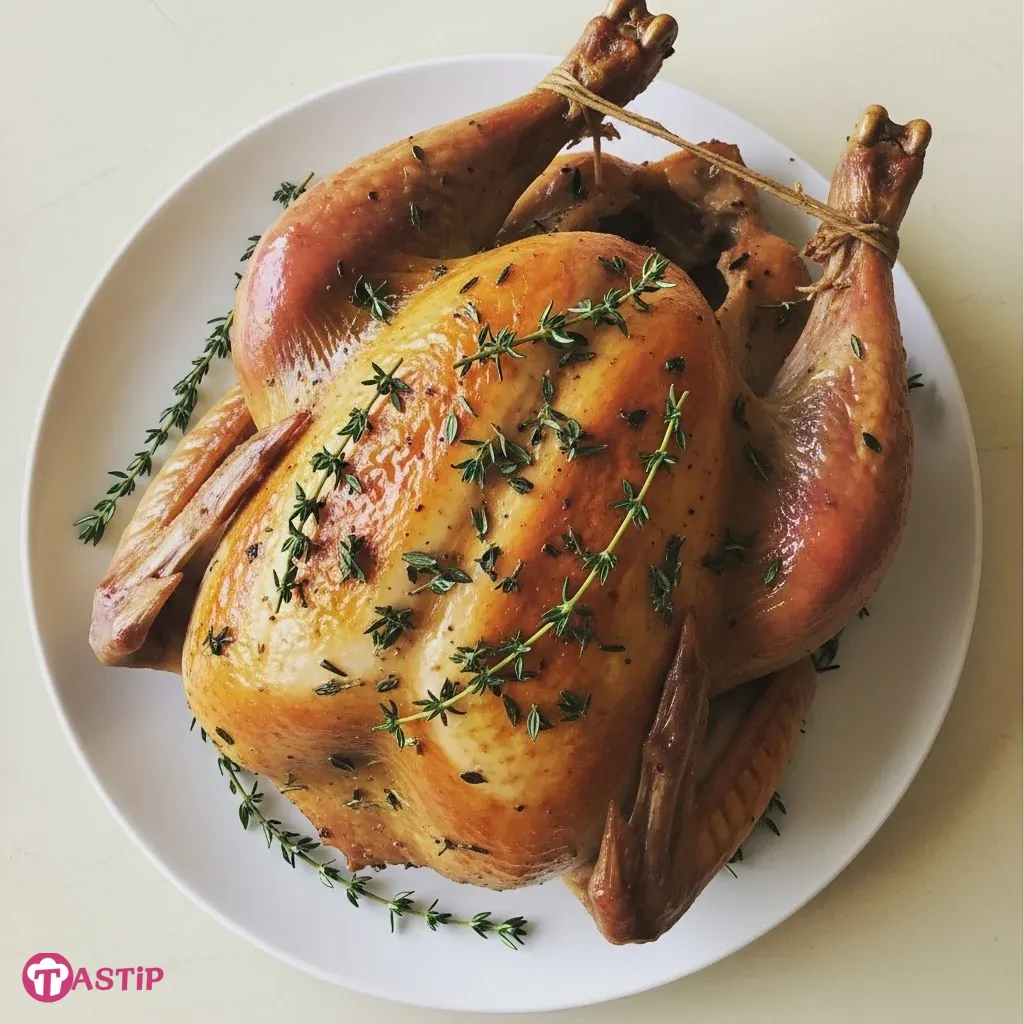
A Lemon Herb Roast Turkey pairs beautifully with sides that complement its bright acidity and savory herb notes. I recommend focusing on vegetable-forward accompaniments to keep the meal balanced and healthy. A roasted root vegetable medley featuring carrots, parsnips, and beets provides a natural sweetness that offsets the lemon’s tartness.
Additionally, a crisp green salad with a light vinaigrette can cleanse the palate between bites of rich turkey. For a more traditional but healthy starch, try a cauliflower mash with garlic and chives instead of heavy mashed potatoes.
The sulfuric notes in the cauliflower resonate well with the garlic used in the Lemon Herb Roast Turkey. Finally, consider a side of sautéed kale or spinach with a touch of lemon zest to reinforce the primary flavor profile of the main dish.
For a delicious side that elevates your meal, consider making Grilled Lemon Garlic Fish. This dish incorporates similar flavors and provides a light and tasty contrast to your hearty roast turkey.
FAQs
Should I rinse my turkey before seasoning?
No, you should never rinse your Lemon Herb Roast Turkey. Scientifically speaking, rinsing poultry does not remove bacteria; instead, it splashes pathogens across your sink and kitchen surfaces. The only way to kill bacteria is through the heat of the roasting process. Simply pat the skin dry with paper towels to ensure a great sear.
How do I prevent the breast meat from drying out?
The best way to protect the breast in a Lemon Herb Roast Turkey is to use the compound butter under the skin as a physical moisture barrier. Additionally, you can roast the bird breast-side down for the first hour of cooking. This allows the juices from the back and thighs to flow downward into the breast meat. Flip it over for the final portion of the roast to crisp the skin.
Can I use dried herbs instead of fresh?
While you can use dried herbs for a Lemon Herb Roast Turkey, the results will not be as vibrant. Dried herbs are much more potent but lack the “green” aromatic qualities of fresh ones. If you must use dried, use only one-third of the amount called for in the recipe and mix them thoroughly into the butter to help them rehydrate and release their oils without burning.
The Lemon Herb Roast Turkey is a culinary staple during holidays and family gatherings, celebrated for its juicy meat and vibrant flavor profile. This roast combines the refreshing zest of lemon with aromatic herbs, resulting in a dish that’s both delicious and visually appealing; learn more about its history and variations in the culinary world through this Turkey article.
Nutrition Information (per serving)
This nutritional profile is based on a standard 6-ounce serving of Lemon Herb Roast Turkey, including both white and dark meat with a moderate amount of skin. The values are estimates and can vary based on the specific bird and the amount of butter consumed.
| Nutrient | Amount |
|---|---|
| Calories | 340 kcal |
| Total Fat | 14g |
| Saturated Fat | 6g |
| Cholesterol | 115mg |
| Sodium | 450mg |
| Total Carbohydrates | 2g |
| Dietary Fiber | 0g |
| Sugars | 1g |
| Protein | 48g |
Lemon Herb Roast Turkey
- Total Time: 3 hours 20 mins
- Yield: 12 servings 1x
- Diet: Gluten Free
Description
Achieving the perfect balance of crispy, golden-brown skin and succulent, moisture-rich meat is the ultimate goal for any home cook tackling a Lemon Herb Roast Turkey. This recipe utilizes a scientific approach to heat transfer and flavor infusion, ensuring every slice is seasoned to the bone.
Ingredients
1 whole Turkey (12 to 14 pounds, completely thawed)
1 cup Unsalted Butter (high-quality European-style)
3 large Fresh Lemons
2 sprigs Fresh Rosemary
2 sprigs Fresh Thyme
2 sprigs Fresh Sage
2 tablespoons Kosher Salt
1 tablespoon Cracked Black Pepper
1 whole head Garlic (halved crosswise)
1 large Yellow Onio
Instructions
- Prepare and Dry Brine: Remove the turkey from its packaging and pat the skin completely dry with paper towels. Rub the turkey generously with kosher salt, including the cavity. Place it on a rack in a roasting pan and refrigerate uncovered for at least 12 hours, or up to 24 hours
- Tempering the Bird: Take the turkey out of the refrigerator 1 hour before roasting
- Create the Compound Butter: In a medium bowl, combine softened unsalted butter with lemon zest, minced herbs, salt, and pepper
- Apply the Flavor Layer: Gently loosen the skin over the breast and thighs. Spread the herb butter directly onto the meat under the skin and rub any remaining butter over the outside of the ski
- Stuff the Cavity: Place halved lemon, garlic head, and onion inside the turkey cavity
- Roasting Process: Preheat your oven to 450°F. Place the turkey in the oven and immediately reduce the temperature to 325°F
- Monitor Temperature: Roast until a meat thermometer registers 165°F in the thickest part of the thigh and 160°F in the breast
- Resting: Transfer the bird to a cutting board and let it rest for at least 30 to 45 minutes
Notes
Avoid rinsing the turkey before seasoning.
Consider roasting the bird breast-side down for the first hour to keep it moist.
- Prep Time: 20 mins
- Cook Time: 3 hours
- Category: Dinner
- Method: Baking
- Cuisine: American
Nutrition
- Serving Size: 6 ounces
- Calories: 340 kcal
- Sugar: 1g
- Sodium: 450mg
- Fat: 14g
- Saturated Fat: 6g
- Unsaturated Fat: 8g
- Trans Fat: 0g
- Carbohydrates: 2g
- Fiber: 0g
- Protein: 48g
- Cholesterol: 115mg