
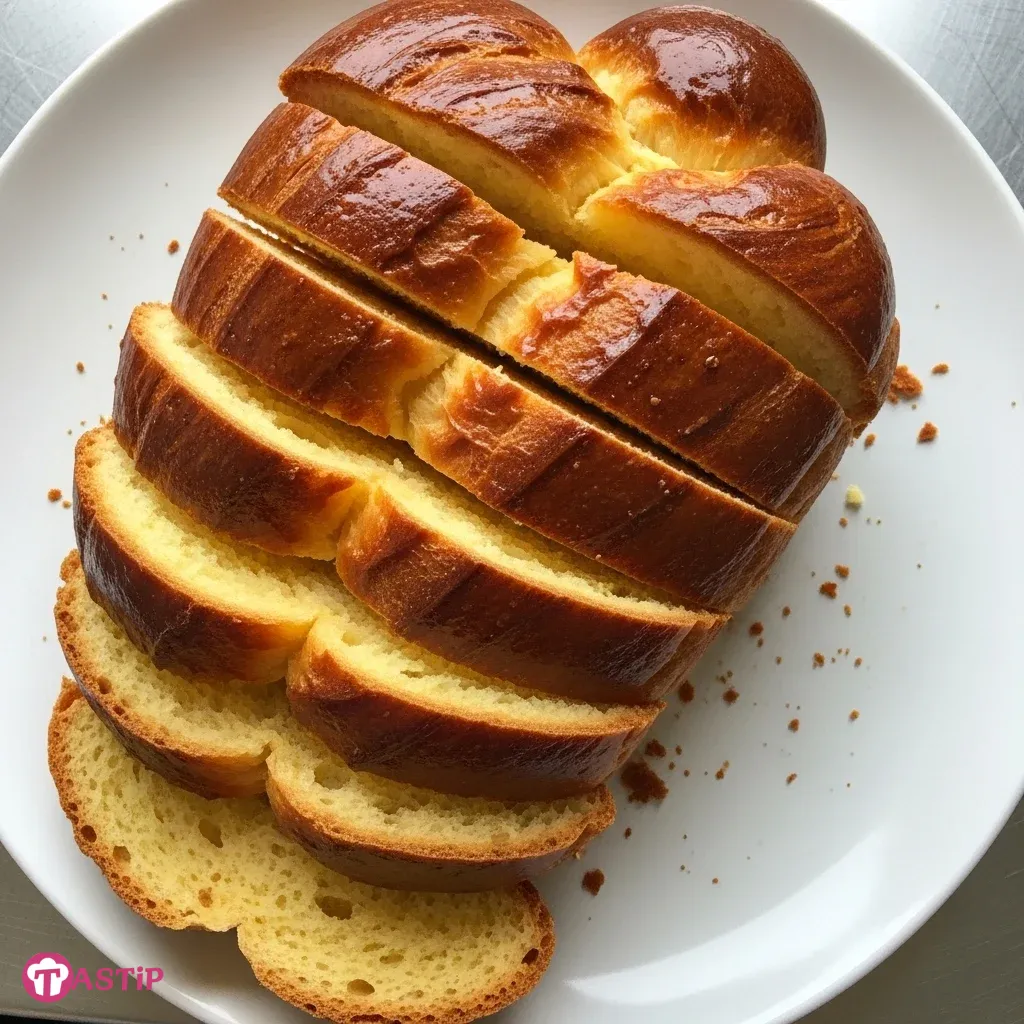
Mastering the art of Brioche Bread represents a true milestone for any home baker. This classic French loaf strikes a delicate balance between a cloud-like crumb and a rich, buttery finish. In my years as a test kitchen chef, I have found that the secret lies in the science of the emulsion.
Unlike standard lean doughs, this recipe incorporates a significant amount of fat, which interrupts gluten strands to create a tender, cake-like structure. Understanding how to manage these ingredients allows you to produce a professional-quality loaf every time. This Brioche Bread provides a versatile base for both sweet and savory applications. Let us dive into the mechanics of high-hydration doughs to elevate your baking game.
Why You’ll Love This Brioche Bread Recipe
- Unmatched Texture: The high egg and butter content creates a velvety, pillowy interior that melts on the tongue.
- Superior Versatility: This dough works perfectly for sandwich loaves, dinner rolls, or the ultimate French toast.
- Scientifically Proven Methods: We use specific temperature controls to ensure your yeast remains active while the butter stays stable.
- Wholesome Control: By baking at home, you eliminate the preservatives and artificial flavorings found in commercial Brioche Bread.
Ingredients You’ll Need
To achieve the perfect Brioche Bread, you must prioritize the quality of your lipids and proteins. The interaction between these components determines the final height and tenderness of the crumb.
| Ingredient | Measurement | The Science Why |
|---|---|---|
| Bread Flour | 500g | Provides the high protein content necessary to support a heavy, enriched dough. |
| Large Eggs | 5 units | Eggs provide moisture, structure through proteins, and color from the yolks. |
| Unsalted European-Style Butter | 250g | High butterfat content (82%+) ensures a richer flavor and better plasticity. |
| Whole Milk | 60ml | Activates the yeast and contributes to a soft, hydrated crumb. |
| Granulated Sugar | 50g | Feeds the yeast and aids in the Maillard reaction for a golden crust. |
| Fine Sea Salt | 10g | Regulates yeast fermentation and enhances the natural flavor of the butter. |
| Instant Yeast | 10g | Provides a reliable rise without the need for an extended pre-ferment. |
Substitutions & Variations
While traditional Brioche Bread relies on classic dairy and eggs, you can make specific adjustments to fit a healthier profile or different dietary needs without sacrificing the integrity of the loaf.
- Natural Sweeteners: You can replace the granulated sugar with raw honey or maple syrup. These natural sugars add a complex floral note while still providing the necessary fuel for yeast activity.
- Sprouted Grain Flour: For a boost in micronutrients, swap 25% of the bread flour for sprouted wheat flour. This increases fiber and digestibility while maintaining enough gluten for structure.
- Reduced Saturation: If you want to lower the saturated fat content, you can substitute half of the butter with extra virgin olive oil. This creates a more Mediterranean-style loaf with a unique fruity undertone.
- Greek Yogurt: Replace the milk with an equal amount of plain Greek yogurt to add a subtle tang and additional protein to the dough.
While you can enjoy traditional Brioche Bread as it is, consider exploring healthier variations to suit dietary needs. For a deeper dive into crafting this delightful bread, check out Brioche Bread.
Step-by-Step Instructions
Precision is your best friend when handling an enriched dough like Brioche Bread. Follow these steps carefully to ensure the butter emulsifies correctly with the flour.
- Prepare the Base: Combine the bread flour, sugar, salt, and instant yeast in the bowl of a stand mixer. Use a whisk to distribute the dry ingredients evenly. This ensures that the yeast is not killed by direct contact with high concentrations of salt.
- Add Liquid Ingredients: Pour in the slightly warmed milk and the room-temperature eggs. Using the dough hook attachment, mix on low speed until a shaggy, cohesive mass forms. This stage allows the flour to hydrate fully before we introduce the fats.
- Develop the Gluten: Increase the mixer speed to medium-high. Knead the dough for approximately 8 to 10 minutes. You are looking for the windowpane test; the dough should be translucent when stretched without tearing. This strong gluten matrix is vital to hold the weight of the butter.
- The Butter Incorporation: This is the most critical phase for Brioche Bread. With the mixer running on medium, add the softened butter one tablespoon at a time. Wait until each piece is fully absorbed before adding the next. This prevents the dough from becoming greasy and breaking the emulsion.
- Bulk Fermentation: Once the butter is fully incorporated and the dough is smooth and shiny, transfer it to a lightly oiled bowl. Cover it and let it rise in a warm, draft-free spot until doubled in size, usually about 90 minutes. For better flavor, you can perform this rise in the refrigerator overnight.
- Shaping the Loaf: Gently degas the dough. Divide it into equal portions and shape them into smooth balls. Place these side-by-side in a greased 9×5 inch loaf pan. This creates the classic tiered look of a bakery-style Brioche Bread.
- The Final Proof: Cover the pan and let the dough rise again until it reaches about one inch above the rim of the pan. This usually takes 60 to 90 minutes. During this time, the yeast produces the carbon dioxide that creates the airy crumb.
- The Egg Wash: Whisk one egg with a tablespoon of water and brush it gently over the top. This step is essential for that signature mahogany shine on your Brioche Bread.
- Baking: Preheat your oven to 350°F (175°C). Bake for 30 to 35 minutes. The internal temperature should reach 190°F (88°C) on an instant-read thermometer. Remove from the oven and let it cool in the pan for 10 minutes before transferring to a wire rack.
Pro Tips for Success
As a chef, I focus on the technical nuances that separate a good loaf from a great one. When making Brioche Bread, temperature control is paramount. Your butter should be “pliable,” which means it is soft enough to bend but not so warm that it is greasy or melting. If the butter is too warm, it will leak out of the dough rather than incorporating into the gluten structure.
Another tip involves the hydration levels. If you find the dough is too sticky during the initial mix, resist the urge to add more flour immediately. High-fat doughs often feel sticky until the gluten is fully developed and the butter is emulsified.
Trust the mixer! Additionally, always use a digital scale. Measuring flour by volume (cups) can vary by as much as 20%, which will drastically change the texture of your Brioche Bread.
Understanding the technical details can significantly improve your bread-making skills. To further refine your craft, don’t miss our detailed instructions in the Traditional Italian Easter Bread Recipe.
Storage & Reheating Tips
Because of its high fat content, Brioche Bread stays fresh longer than lean breads like baguettes. However, proper storage is still necessary. Once the loaf has cooled completely, wrap it tightly in plastic wrap or store it in an airtight container at room temperature for up to three days.
For longer storage, I recommend slicing the loaf and freezing the slices with parchment paper between them. You can toast these slices directly from the freezer. To reheat a whole loaf, wrap it in foil and place it in a 300°F (150°C) oven for 10 minutes to restore that “just-baked” softness. Avoid the microwave, as it can make the butter-rich crumb tough and chewy.
What to Serve With This Recipe
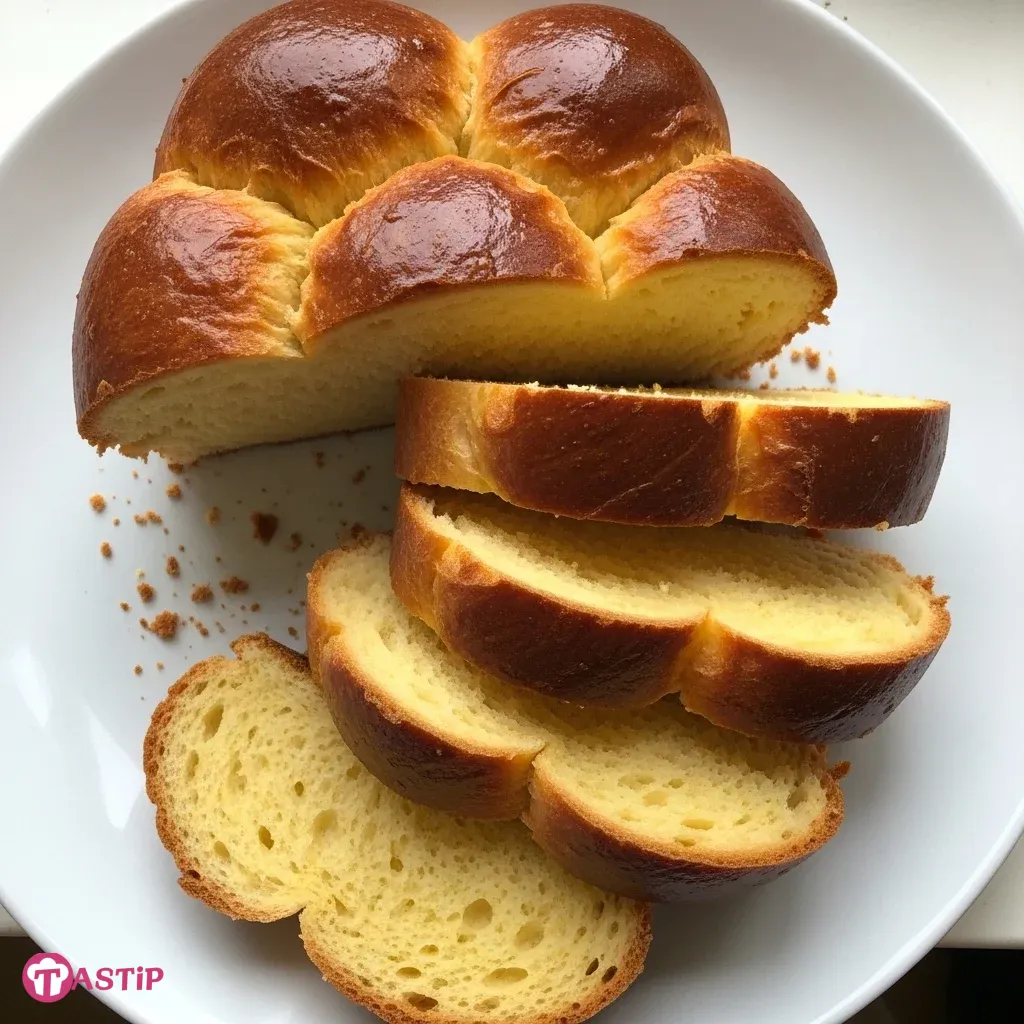
While Brioche Bread is indulgent, it pairs beautifully with fresh, vibrant side dishes that provide a healthy contrast to its richness. The light, airy nature of the bread makes it a perfect companion for nutrient-dense meals.
- Massaged Kale Salad: A bright kale salad with a lemon-tahini dressing provides a sharp acidity that cuts through the buttery crumb of the bread.
- Roasted Root Vegetables: Serve thick slices of toasted Brioche Bread alongside roasted carrots, beets, and parsnips. The natural sugars in the vegetables complement the bread’s subtle sweetness.
- Avocado and Microgreen Toast: Use a slice of Brioche Bread as a base for smashed avocado, topped with a handful of radish sprouts and a sprinkle of hemp seeds for a healthy, fat-balanced breakfast.
- Poached Egg and Asparagus: The runny yolk of a poached egg acts as a natural sauce for the bread, while grilled asparagus adds essential fiber and vitamins.
Pairing Brioche Bread with vibrant side dishes can elevate your meal to new heights. For an exciting recipe that enhances your culinary experience, try the Cloud Bread Pastel Swirl Loaf.
FAQs
Can I make this Brioche Bread without a stand mixer?
While possible, kneading by hand is extremely challenging because the dough is very sticky. You must use a “slap and fold” technique for at least 20 minutes to develop the gluten before adding the butter. It requires significant physical effort but yields a rewarding result for the dedicated baker.
Why did my Brioche Bread turn out heavy and dense?
This usually happens if the butter was added too quickly or if the dough was not kneaded long enough before the butter was introduced. If the gluten matrix is weak, it cannot support the weight of the fats, resulting in a collapsed or dense crumb. Ensure you pass the windowpane test before adding any fat.
Is it necessary to chill the dough overnight?
While not strictly necessary, a cold ferment is highly recommended for Brioche Bread. Chilling the dough solidifies the butter, making it much easier to shape. Furthermore, a slow rise in the fridge allows the yeast to produce complex organic compounds, leading to a much deeper and more nuanced flavor profile.
Brioche Bread is a rich and tender French loaf known for its buttery flavor and airy texture, making it a favorite among bakers and food enthusiasts. Its unique preparation and incorporation of fat create a delicious hybrid between bread and cake, as detailed in the article on this classic delight.
Nutrition Information (per serving)
One standard loaf provides approximately 12 servings. The following data represents a single slice of the Brioche Bread prepared according to the main recipe.
| Nutrient | Amount Per Serving |
|---|---|
| Calories | 285 kcal |
| Total Fat | 18g |
| Saturated Fat | 10g |
| Cholesterol | 95mg |
| Sodium | 210mg |
| Total Carbohydrates | 24g |
| Dietary Fiber | 1g |
| Sugars | 4g |
| Protein | 6g |
Brioche Bread
- Total Time: 2 hrs 25 mins
- Yield: 12 servings 1x
- Diet: Vegetarian
Description
This classic French loaf strikes a delicate balance between a cloud-like crumb and a rich, buttery finish. It provides a versatile base for both sweet and savory applications.
Ingredients
500g Bread Flour
5 units Large Eggs
250g Unsalted European-Style Butter
60ml Whole Milk
50g Granulated Sugar
10g Fine Sea Salt
10g Instant Yeast
Instructions
- Combine the bread flour, sugar, salt, and instant yeast in the bowl of a stand mixer
- Pour in the slightly warmed milk and room-temperature eggs, and mix until a shaggy mass forms
- Increase the speed to medium-high and knead the dough for 8 to 10 minutes, until it passes the windowpane test
- Add the softened butter one tablespoon at a time while mixing on medium speed
- Transfer the dough to a lightly oiled bowl, cover, and let it rise until doubled in size, about 90 minutes
- Gently degas the dough, divide, and shape into balls, placing them in a greased loaf pa
- Cover and let the dough rise again until it reaches about one inch above the rim, 60 to 90 minutes
- Brush the top with an egg wash, then bake in a preheated oven at 350°F (175°C) for 30 to 35 minutes
Notes
Temperature control is key; ensure butter is pliable but not greasy.
Use a digital scale to measure ingredients accurately.
- Prep Time: 20 mins
- Cook Time: 35 mins
- Category: Breakfast
- Method: Baking
- Cuisine: French
Nutrition
- Serving Size: 1 slice
- Calories: 285 kcal
- Sugar: 4g
- Sodium: 210mg
- Fat: 18g
- Saturated Fat: 10g
- Unsaturated Fat: 0g
- Trans Fat: 0g
- Carbohydrates: 24g
- Fiber: 1g
- Protein: 6g
- Cholesterol: 95mg