
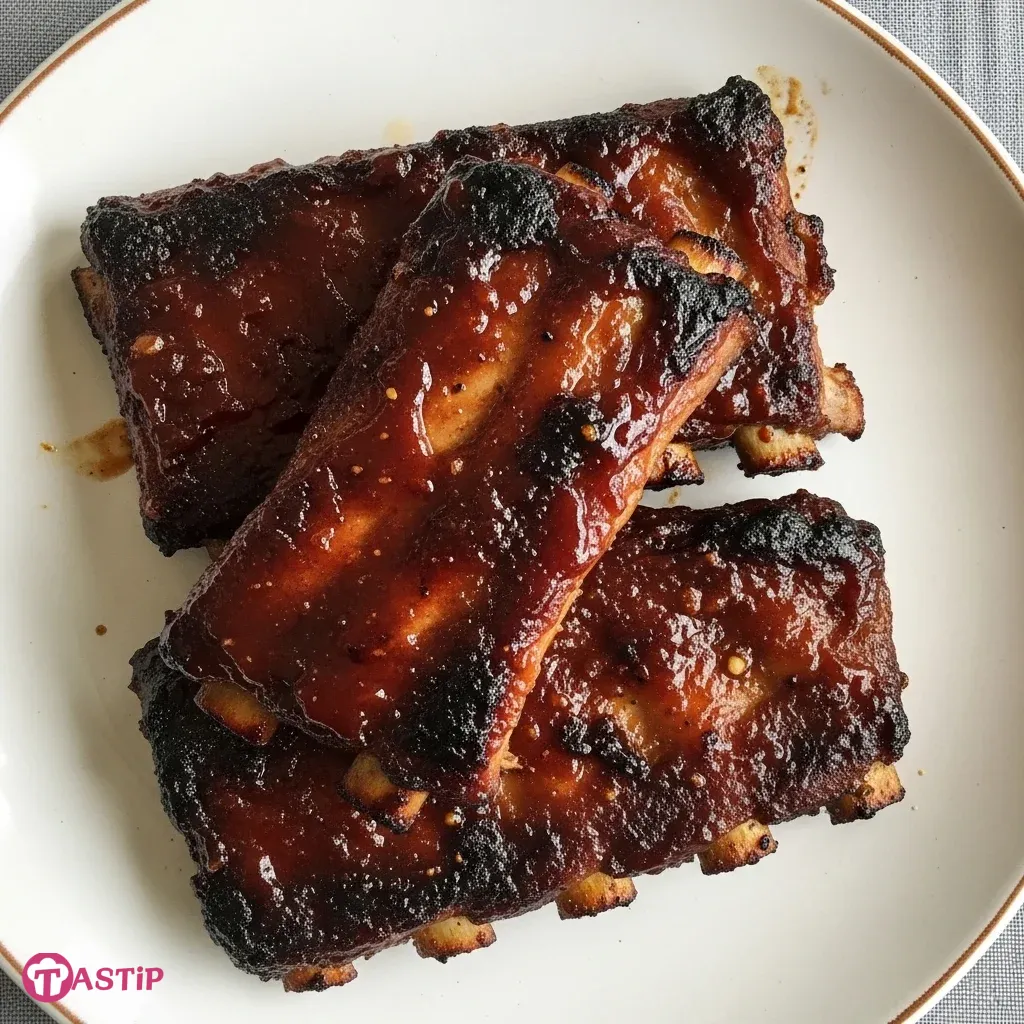
Achieving the perfect rack of Sticky BBQ Ribs requires a delicate balance of heat, time, and chemistry. Many home cooks struggle with meat that is either too tough or mushy, but a scientific approach guarantees success every time. You want to transform tough connective tissue into succulent gelatin without overcooking the delicate muscle fibers.
This recipe utilizes a low-and-slow method to ensure deep flavor penetration and a flawless glaze. We will focus on the “Texas Crutch” technique to bypass the evaporative cooling phase known as the stall. By the end of this guide, you will understand the physics of the perfect crust and the chemistry of a high-viscosity sauce. Let us master the art and science of Sticky BBQ Ribs together.
Why You’ll Love This Recipe
- Unmatched Texture: We use controlled hydrolysis to convert collagen into gelatin for a melt-in-your-mouth experience.
- Scientific Precision: This method eliminates guesswork by targeting specific internal temperatures for optimal tenderness.
- Balanced Flavor: The recipe achieves a perfect equilibrium between sweet, savory, acidic, and smoky notes.
- Healthier Techniques: We utilize dry rubs and natural sweeteners to reduce the glycemic load compared to store-bought versions.
Ingredients You’ll Need
Success starts with high-quality protein and fresh aromatics. For the best Sticky BBQ Ribs, I recommend sourcing St. Louis-cut pork ribs.
This cut offers a uniform rectangular shape, which promotes even airflow and consistent cooking across the entire rack. Quality matters because the fat content in the marbling will render out, self-basting the meat from the inside out. Ensure your spices are fresh, as volatile oils dissipate over time, leading to a dull flavor profile.
| Category | Ingredient | Quantity | Purpose |
|---|---|---|---|
| Protein | St. Louis Style Pork Ribs | 2 Full Racks | Main component; provides structure and fat. |
| Dry Rub | Smoked Paprika | 1/4 Cup | Provides color and deep smoky base notes. |
| Dry Rub | Dark Brown Sugar | 1/4 Cup | Promotes caramelization and the Maillard reaction. |
| Dry Rub | Garlic & Onion Powder | 2 tbsp each | Adds savory depth (umami). |
| Dry Rub | Kosher Salt | 1 tbsp | Denatures proteins and enhances flavor. |
| Liquid | Apple Cider Vinegar | 1/2 Cup | Provides acidity to cut through the fat. |
| Glaze | Hickory BBQ Sauce | 1.5 Cups | Creates the iconic “sticky” exterior. |
| Glaze | Honey or Maple Syrup | 2 tbsp | Increases viscosity for better adherence. |
Substitutions & Variations
If you want to create a lighter version of these Sticky BBQ Ribs, you can make several strategic swaps without sacrificing the scientific integrity of the dish. To reduce refined sugar, substitute the brown sugar in the rub with coconut sugar or a granulated monk fruit sweetener. These alternatives still provide the necessary grit for a bark but have a lower glycemic index.
For the glaze, look for a “no sugar added” BBQ sauce and sweeten it naturally with a small amount of unsweetened applesauce or pureed dates.
If you prefer a different protein, this technique works remarkably well with beef back ribs, though you must increase the cooking time by approximately twenty percent due to the denser muscle structure. For a spicy variation, introduce chipotle powder or gochujang into the glaze to create a complex, creeping heat that complements the sweet exterior of the Sticky BBQ Ribs.
For a lighter version of these Sticky BBQ Ribs, consider making strategic ingredient swaps. For example, using coconut sugar in place of brown sugar can enhance both the flavor and the health profile of your dish, as outlined in our recipe for Strawberry White Chocolate Sourdough.
Step-by-Step Instructions
- Prepare the Ribs: Remove the silver skin (membrane) from the back of the ribs. Use a butter knife to loosen it and a paper towel for grip. This step is non-negotiable; the membrane is an elastin-rich tissue that does not break down and prevents the rub from penetrating the meat.
- Apply the Dry Rub: Pat the meat dry with paper towels. Apply a generous layer of the dry rub to all sides. Press the spices into the meat rather than rubbing them. This creates a “pellicle,” a dry surface layer that allows smoke and heat to adhere better during the initial phase of making Sticky BBQ Ribs.
- The Initial Smoke: Preheat your oven or smoker to 225°F (107°C). Place the ribs bone-side down. Cook for 3 hours. During this phase, the heat begins to denature the proteins and the surface moisture evaporates, concentrating the flavors.
- The Wrap (Texas Crutch): Remove the ribs and place them on a large sheet of heavy-duty aluminum foil. Spritz with apple cider vinegar and add a few small pads of butter. Wrap tightly to ensure no steam escapes. Return to the heat for 2 hours. This creates a localized high-humidity environment that accelerates the breakdown of collagen into gelatin, ensuring your Sticky BBQ Ribs are tender.
- The Unwrapping: Carefully open the foil. The meat should have receded from the bone tips by about half an inch. This is a visual indicator that the connective tissue has successfully hydrolyzed.
- The Final Glaze: Increase the temperature to 300°F (149°C). Brush a thick layer of the BBQ sauce mixture over the ribs. Cook for another 15 to 20 minutes. Watch closely as the sugars in the sauce undergo caramelization. You want the sauce to “set” and become tacky, which is the hallmark of world-class Sticky BBQ Ribs.
- The Rest: Remove from the heat and let the ribs rest for 10 to 15 minutes. Resting allows the internal juices to redistribute and the gelatin to set slightly, which prevents the meat from shredding when you slice it.
Pro Tips for Success
To truly elevate your Sticky BBQ Ribs, you must respect the science of thermodynamics. One common mistake is rushing the process. If the internal temperature rises too quickly, the muscle fibers will contract and squeeze out moisture before the collagen has a chance to liquefy.
Use a reliable digital thermometer; you are looking for an internal temperature between 195°F and 203°F for the perfect bite. Furthermore, consider the “bend test.” Pick up the rack with tongs from one end; if the rack bends and the meat starts to crack slightly on the surface, they are done. Finally, ensure your sauce has enough acidity.
A common failing of many Sticky BBQ Ribs recipes is excessive sweetness. Adding a dash of apple cider vinegar or lemon juice to your final glaze will brighten the flavors and provide a necessary counterpoint to the rich, fatty pork.
Achieving the perfect internal temperature is crucial in making Sticky BBQ Ribs that are tender and juicy. For further insights on thermodynamics in cooking, refer to our guide on the essential cooking practices found in Easter Bunny Coconut Tails.
Storage & Reheating Tips
If you have leftover Sticky BBQ Ribs, storage is a critical phase. Wrap the ribs tightly in plastic wrap or aluminum foil and store them in an airtight container in the refrigerator for up to four days. To reheat, avoid the microwave at all costs, as it will toughen the proteins and turn the glaze into a rubbery mess.
Instead, use the “steam-reheat” method. Place the ribs in a baking dish with a tablespoon of water or apple juice, cover tightly with foil, and heat in a 250°F oven until warmed through.
This preserves the moisture content and keeps the Sticky BBQ Ribs as tender as the day they were cooked. For long-term storage, you can freeze the ribs for up to three months, though you should apply a fresh layer of glaze after thawing and reheating to restore the texture.
What to Serve With This Recipe
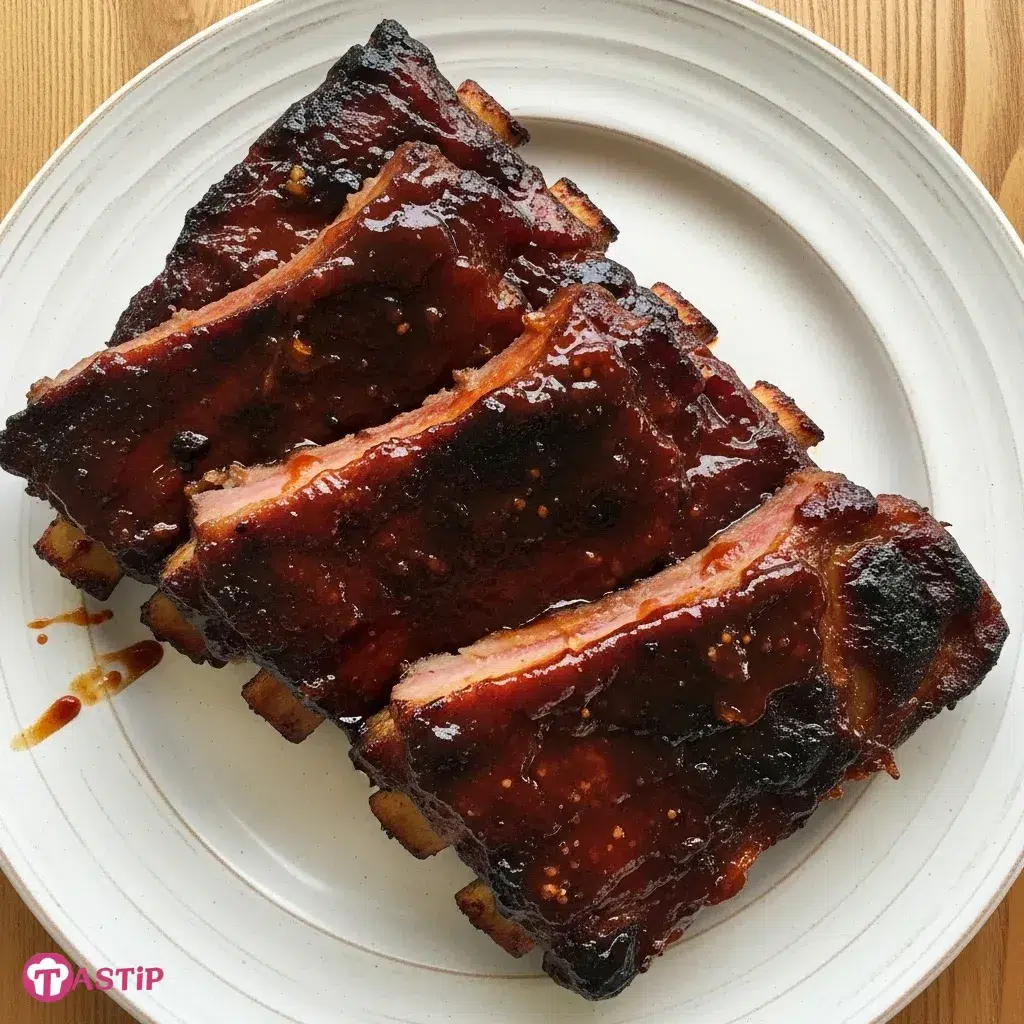
When pairing sides with Sticky BBQ Ribs, you should aim for components that provide a refreshing contrast to the heavy, savory profile of the meat. A crisp vinegar-based coleslaw is the gold standard because the acetic acid helps cleanse the palate of fat. Roasted root vegetables, such as carrots or parsnips, also work well; their natural sugars harmonize with the BBQ glaze.
If you want a green option, a charred broccoli salad with a light lemon dressing provides bitterness that cuts through the richness. For a more traditional route, a light corn pudding or grilled corn on the cob provides a textural variation that complements the softness of the Sticky BBQ Ribs perfectly. Always prioritize high-fiber vegetables to balance the meal and aid in digestion.
Pairing the right sides with Sticky BBQ Ribs can enhance your overall meal experience. To complement your BBQ, try our delightful recipe for Banana Pudding Easter Truffle, which offers a refreshing contrast to the rich flavors of the ribs.
FAQs
Should I boil my ribs before grilling or smoking them?
Absolutely not. Boiling ribs leaches out the flavor and ruins the texture of the meat. From a culinary science perspective, boiling causes the proteins to tighten and the fat to render out into the water rather than into the meat fibers. To get tender Sticky BBQ Ribs, rely on the low-and-slow dry heat method described above, which preserves the integrity of the pork.
What is the difference between Baby Back and St. Louis Style ribs?
Baby back ribs come from the top of the rib cage near the spine and are smaller, leaner, and cook faster. St. Louis style ribs are cut from the belly area; they are flatter, fattier, and contain more cartilage.
For Sticky BBQ Ribs, St. Louis ribs are often preferred by professionals because the higher fat content leads to a juicier finished product after a long cook time.
How do I know if my ribs are overcooked?
If the meat completely falls off the bone when you pick it up, it is technically overcooked. In the world of competition BBQ, a perfect rib should have a “clean bite,” meaning the meat comes off the bone where you bite it but the rest stays intact. Overcooked Sticky BBQ Ribs lose their structural integrity and become mushy because the proteins have broken down too far. Follow the temperature guides to avoid this result.
Sticky BBQ Ribs are a culinary favorite that exemplifies the principles of low-and-slow cooking. This technique allows for the transformation of tough meats into tender, flavorful dishes through careful temperature control and seasoning, which can greatly enhance any cook’s repertoire. For more detailed information on this cooking method, see our discussion on cooking techniques.
Nutrition Information (per serving)
The following values are estimates based on a standard serving of three to four ribs. Keep in mind that the specific brand of sauce and the trim of the meat will influence these numbers. These Sticky BBQ Ribs provide a significant source of protein and essential B-vitamins.
| Nutrient | Amount per Serving |
|---|---|
| Calories | 450 kcal |
| Total Fat | 28g |
| Saturated Fat | 10g |
| Cholesterol | 95mg |
| Sodium | 820mg |
| Total Carbohydrates | 18g |
| Dietary Fiber | 1g |
| Sugars | 15g |
| Protein | 32g |
Sticky BBQ Ribs
- Total Time: 5 hours 20 mins
- Yield: 4 servings 1x
- Diet: Gluten Free
Description
Achieving the perfect rack of Sticky BBQ Ribs requires a delicate balance of heat, time, and chemistry, utilizing a low-and-slow method for deep flavor and a flawless glaze.
Ingredients
2 full racks St. Louis Style Pork Ribs
1/4 cup Smoked Paprika
1/4 cup Dark Brown Sugar
2 tbsp Garlic Powder
2 tbsp Onion Powder
1 tbsp Kosher Salt
1/2 cup Apple Cider Vinegar
1.5 cups Hickory BBQ Sauce
2 tbsp Honey or Maple Syrup
Instructions
- Remove the silver skin from the back of the ribs
- Pat the meat dry and apply a generous layer of dry rub on all sides
- Preheat your oven or smoker to 225°F. Cook the ribs bone-side down for 3 hours
- Wrap the ribs in aluminum foil with apple cider vinegar and butter, and cook for another 2 hours
- Unwrap the foil; the meat should have receded from the bone tips
- Increase temperature to 300°F, brush with BBQ sauce, and cook for an additional 15 to 20 minutes
- Remove from heat and let the ribs rest for 10 to 15 minutes
Notes
Use a digital thermometer to check the internal temperature between 195°F and 203°F for the perfect bite.
- Prep Time: 20 mins
- Cook Time: 5 hours
- Category: Dinner
- Method: Baking
- Cuisine: American
Nutrition
- Serving Size: 3-4 ribs
- Calories: 450 kcal
- Sugar: 15 g
- Sodium: 820 mg
- Fat: 28 g
- Saturated Fat: 10 g
- Unsaturated Fat: 0 g
- Trans Fat: 0 g
- Carbohydrates: 18 g
- Fiber: 1 g
- Protein: 32 g
- Cholesterol: 95 mg