
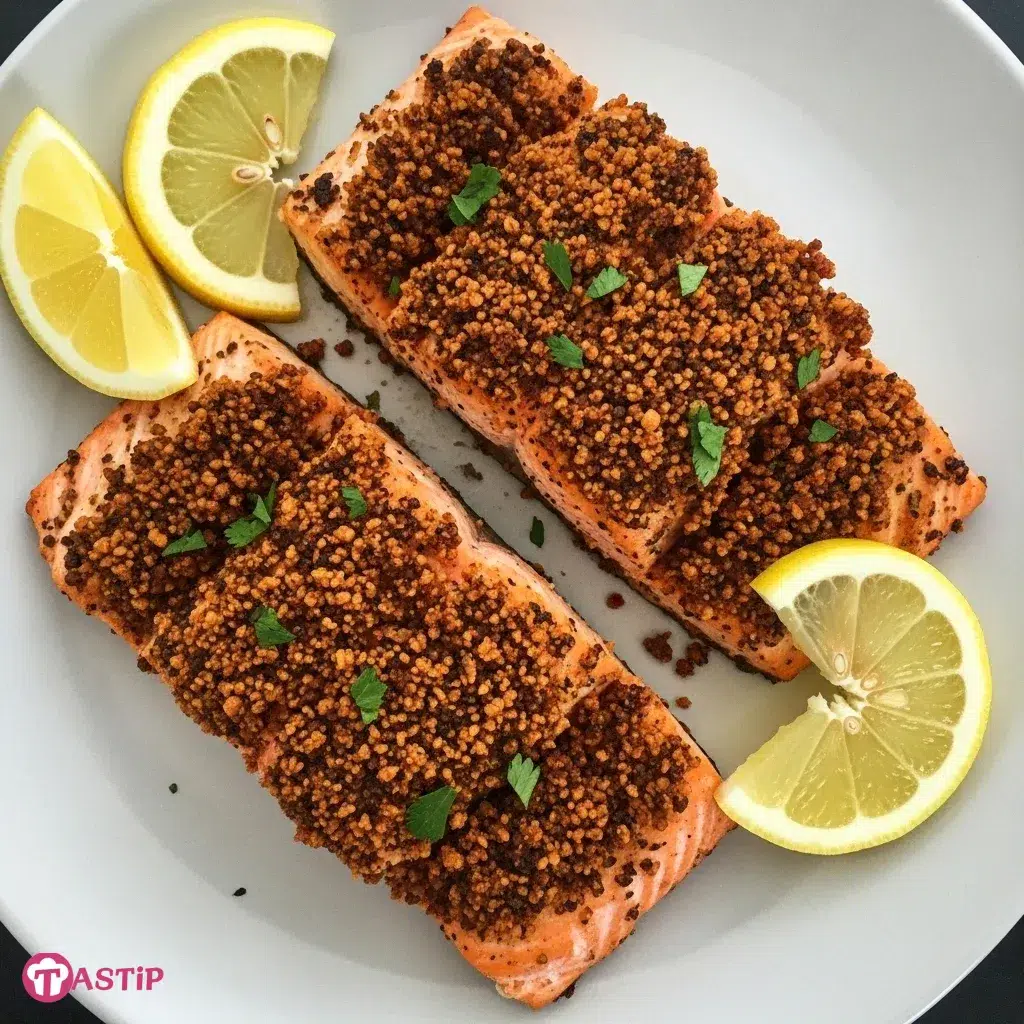
Cajun Baked Salmon offers a vibrant explosion of flavor that awakens the senses while nourishing the body from the inside out. This dish features a perfectly flaky texture and a bold, smoky spice crust that rivals any restaurant-quality meal. As a nutritionist, I appreciate how this preparation transforms a simple protein into a functional powerhouse of healthy fats and metabolism-boosting spices.
You can prepare this meal in under twenty minutes, making it an ideal choice for busy weeknights when quality matters. Every bite provides a satisfying balance of heat and zest without any processed additives or hidden sugars. This Cajun Baked Salmon recipe truly embodies the philosophy of eating well to feel your absolute best.
Why You’ll Love This Cajun Baked Salmon
- Nutrient-Dense Powerhouse: This recipe delivers a massive dose of Omega-3 fatty acids, which support heart health, brain function, and skin elasticity.
- Effortless Preparation: You only need one baking sheet and fifteen minutes of active time to create a gourmet-level seafood dinner.
- Metabolic Boost: The organic spices in the Cajun rub, such as cayenne and paprika, contain capsaicin which naturally supports a healthy metabolism.
- Clean and Sustainable: By using wild-caught fish and high-quality oils, you avoid the inflammatory additives found in many pre-packaged frozen meals.
Ingredients You’ll Need
Selecting high-quality ingredients represents the cornerstone of wellness-focused cooking. For this Cajun Baked Salmon, I recommend sourcing wild-caught Sockeye or King salmon to ensure you receive the highest concentration of antioxidants and minerals. Furthermore, always check your spice labels to ensure they do not contain anti-caking agents or artificial fillers.
| Ingredient | Quantity | Wellness Benefit |
|---|---|---|
| Wild-Caught Salmon Fillets | 4 (6-ounce) portions | High in anti-inflammatory Omega-3s and high-quality protein. |
| Avocado Oil | 2 tablespoons | A stable fat with a high smoke point and heart-healthy monounsaturated fats. |
| Smoked Paprika | 1 tablespoon | Rich in Vitamin A and provides a deep, earthy smokiness. |
| Garlic Powder | 1 teaspoon | Supports immune function and adds savory depth. |
| Onion Powder | 1 teaspoon | Contains quercetin, a powerful antioxidant. |
| Dried Oregano | 1/2 teaspoon | Provides antimicrobial properties and herbal notes. |
| Dried Thyme | 1/2 teaspoon | A great source of Vitamin C and copper. |
| Cayenne Pepper | 1/4 teaspoon | Ignites the metabolism and adds the signature Cajun heat. |
| Sea Salt & Black Pepper | To taste | Essential minerals for electrolyte balance and flavor enhancement. |
| Fresh Lemon Wedges | 1 lemon | Alkalizing juice that cuts through the richness of the fish. |
Substitutions & Variations
Flexibility in the kitchen allows you to adapt to your dietary needs while keeping your Cajun Baked Salmon exciting and fresh. If you prefer a milder flavor profile, simply reduce the amount of cayenne pepper or replace it with extra smoked paprika. For those who enjoy a hint of sweetness to balance the heat, add a teaspoon of coconut sugar or a drizzle of raw honey to the spice rub; this creates a beautiful caramelized crust during the baking process.
Moreover, you can apply this exact spice blend to other sustainable seafood options. Steelhead trout serves as an excellent alternative, offering a similar texture and nutritional profile to salmon. If you follow a plant-based lifestyle, try applying the Cajun seasoning to thick slices of cauliflower or firm tofu steaks.
Additionally, you can swap avocado oil for melted grass-fed ghee or extra virgin olive oil if you cook at a lower temperature. Each substitution maintains the integrity of the Cajun Baked Salmon experience while catering to your personal palate.
Flexibility in the kitchen allows you to adapt to your dietary needs while keeping your Cajun Baked Salmon exciting and fresh. For a delightful alternative, check out the Cajun Grilled Chicken, which captures the same bold flavors in a different protein.
Step-by-Step Instructions
- Preheat the Oven: Begin by preheating your oven to 400°F (200°C). Line a large baking sheet with unbleached parchment paper to prevent sticking and ensure a quick cleanup.
- Prepare the Salmon: Pat the salmon fillets dry using a paper towel. Removing excess moisture is a critical step because it allows the oil and spices to adhere properly, resulting in a better crust on your Cajun Baked Salmon.
- Mix the Spices: In a small glass bowl, combine the smoked paprika, garlic powder, onion powder, oregano, thyme, cayenne, sea salt, and black pepper. Stir the mixture thoroughly to ensure an even distribution of heat and herbs.
- Season the Fillets: Brush each fillet lightly with avocado oil. Generously coat the top of each piece of fish with the prepared Cajun spice blend. Use your fingers to gently press the spices into the flesh.
- Bake to Perfection: Place the seasoned fillets on the prepared baking sheet. Slide them into the center rack of the oven and bake for 12 to 15 minutes. The Cajun Baked Salmon is done when it flakes easily with a fork and reaches an internal temperature of 145°F.
- Rest and Garnish: Remove the tray from the oven and let the fish rest for two or three minutes. This allows the juices to redistribute, ensuring a moist texture. Squeeze fresh lemon juice over the top immediately before serving to brighten the flavors.
Pro Tips for Success
Achieving the perfect Cajun Baked Salmon requires attention to detail and a few technical nuances. First, always bring your salmon to room temperature for about ten minutes before putting it in the oven. This practice ensures even cooking throughout the fillet, preventing the outside from overcooking while the inside remains raw.
Furthermore, if you prefer a crispier exterior, you can switch the oven to the “Broil” setting for the final sixty seconds of cooking time. Watch the fish closely during this stage to prevent the delicate spices from burning.
Another professional secret involves the skin. I recommend leaving the skin on during the baking process, even if you do not plan to eat it. The skin acts as a natural barrier that protects the delicate flesh from the direct heat of the baking sheet, helping to retain moisture.
If you enjoy crispy skin, ensure the skin side is perfectly dry before seasoning. Finally, invest in a digital meat thermometer. Taking the guesswork out of the internal temperature ensures your Cajun Baked Salmon remains succulent every single time you cook it.
Achieving the perfect Cajun Baked Salmon requires attention to detail and a few technical nuances. For more tips on cooking salmon to perfection, be sure to visit the Salmon Cajun Shrimp and Rice Skillet for a complete meal option.
Storage & Reheating Tips
Proper storage ensures that your leftover Cajun Baked Salmon stays delicious and safe for future meals. Place any remaining portions in an airtight glass container and store them in the refrigerator for up to three days. I recommend glass over plastic to avoid any chemical leaching and to keep the fish flavors pure. To maintain the best quality, avoid freezing cooked salmon, as the texture can become grainy upon thawing.
When you are ready to reheat your Cajun Baked Salmon, avoid the microwave if possible, as it often results in a rubbery texture and an unappealing aroma. Instead, place the salmon in a cold oven and set the temperature to 275°F. Heat the fish for about eight to ten minutes until it is just warmed through.
Alternatively, you can flake the cold salmon over a fresh garden salad or fold it into a breakfast scramble for a high-protein start to your day. This versatility makes the recipe an excellent candidate for weekend meal prep.
What to Serve With This Recipe
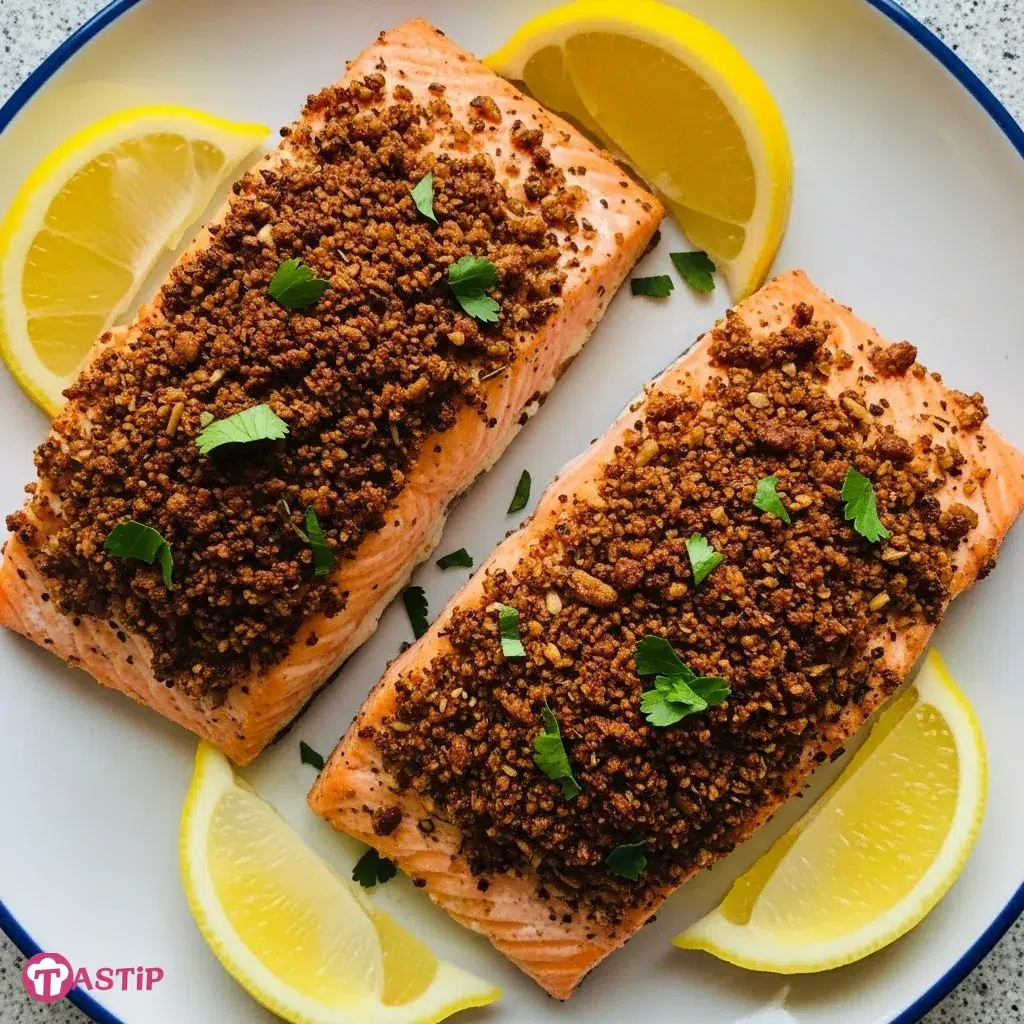
To create a balanced and energizing meal, pair your Cajun Baked Salmon with vibrant, fiber-rich side dishes. A base of cauliflower rice sautéed with lime and cilantro complements the spicy notes of the fish beautifully. Furthermore, roasted asparagus or broccolini tossed in garlic and lemon zest provides a satisfying crunch and a boost of essential micronutrients. These green vegetables help balance the richness of the salmon’s healthy fats.
If you prefer a heartier accompaniment, consider a quinoa and black bean salad. The complex carbohydrates in the quinoa provide sustained energy, while the beans add an extra layer of plant-based protein.
For a cooling contrast to the Cajun heat, a refreshing cucumber and avocado salad with a light vinaigrette works wonders. Every side dish should aim to enhance the nutritional profile of the Cajun Baked Salmon, creating a plate that is as beautiful as it is beneficial for your body.
To create a balanced and energizing meal, pair your Cajun Baked Salmon with vibrant, fiber-rich side dishes. If you’re looking for another delicious option, try the Creamy Cajun Chicken Pasta, which offers a creamy twist to satisfy your cravings.
FAQs
Is wild-caught salmon really better than farmed salmon?
From a nutritional perspective, wild-caught salmon is generally superior. It typically contains fewer calories and less saturated fat than farmed varieties. Furthermore, wild salmon has a more natural diet, resulting in a higher mineral content and a better ratio of Omega-3 to Omega-6 fatty acids. When preparing Cajun Baked Salmon, the wild variety also offers a deeper, more robust flavor that stands up well to bold spices.
How can I tell if the salmon is fully cooked without a thermometer?
You can use the fork test to check your Cajun Baked Salmon for doneness. Gently press a fork into the thickest part of the fillet and twist slightly. If the meat flakes easily and has lost its translucent, raw appearance in the center, it is ready to eat. Another sign is the appearance of small white beads on the surface, known as albumin; while harmless, these indicate the protein is tightening and the fish is nearing completion.
Can I make this recipe in an air fryer?
Yes, the air fryer is a fantastic tool for making Cajun Baked Salmon. To do so, preheat your air fryer to 380°F. Place the seasoned fillets in the basket in a single layer, ensuring they do not touch.
Air fry for 8 to 10 minutes depending on the thickness of the fish. This method often results in an even crispier spice crust while keeping the interior incredibly moist, thanks to the rapid air circulation.
Cajun Baked Salmon combines the bold flavors of Cajun seasoning with rich, flaky salmon, creating a dish that’s both tasty and nutritious. This preparation showcases the versatility of salmon, which is renowned for its health benefits, from heart-healthy omega-3 fatty acids to essential vitamins and minerals, often emphasized in nutrition discussions.
Nutrition Information (per serving)
The following values are estimates based on a standard six-ounce serving of wild-caught salmon prepared with the specified Cajun Baked Salmon ingredients. This meal is naturally low in carbohydrates and high in essential fats and proteins, making it compatible with various wellness lifestyles, including Keto and Paleo protocols.
| Nutrient | Amount Per Serving |
|---|---|
| Calories | 320 kcal |
| Total Fat | 18g |
| Saturated Fat | 3g |
| Protein | 36g |
| Net Carbohydrates | 2g |
| Fiber | 1g |
| Sodium | 450mg |
| Omega-3 Fatty Acids | 1,500mg |

Cajun Baked Salmon
- Total Time: 30 mins
- Yield: 4 servings 1x
- Diet: Gluten Free
Description
Cajun Baked Salmon offers a vibrant explosion of flavor that awakens the senses while nourishing the body from the inside out. This dish features a perfectly flaky texture and a bold, smoky spice crust that rivals any restaurant-quality meal. Every bite provides a satisfying balance of heat and zest without any processed additives or hidden sugars.
Ingredients
4 6-ounce portions Wild-Caught Salmon Fillets
2 tablespoons Avocado Oil
1 tablespoon Smoked Paprika
1 teaspoon Garlic Powder
1 teaspoon Onion Powder
1/2 teaspoon Dried Oregano
1/2 teaspoon Dried Thyme
1/4 teaspoon Cayenne Pepper
Sea Salt & Black Pepper to taste
1 lemon Fresh Lemon Wedges
Instructions
- Preheat your oven to 400°F (200°C) and line a baking sheet with parchment paper
- Pat the salmon fillets dry and brush each with avocado oil
- In a bowl, mix together spices: smoked paprika, garlic powder, onion powder, oregano, thyme, cayenne, sea salt, and black pepper
- Generously coat each salmon fillet with the spice blend, pressing gently to adhere
- Place the seasoned fillets on the baking sheet and bake for 12 to 15 minutes until flaky and cooked through
- Let the salmon rest for 2-3 minutes and squeeze fresh lemon juice over the top before serving
Notes
Bringing salmon to room temperature before cooking ensures even cooking.
For a crispier exterior, broil for the last minute of cooking.
Store leftovers in an airtight glass container in the refrigerator for up to 3 days.
- Prep Time: 15 mins
- Cook Time: 15 mins
- Category: Dinner
- Method: Baking
- Cuisine: American
Nutrition
- Serving Size: 6 ounces
- Calories: 320 kcal
- Sugar: 0 g
- Sodium: 450 mg
- Fat: 18 g
- Saturated Fat: 3 g
- Unsaturated Fat: 15 g
- Trans Fat: 0 g
- Carbohydrates: 2 g
- Fiber: 1 g
- Protein: 36 g
- Cholesterol: 90 mg