
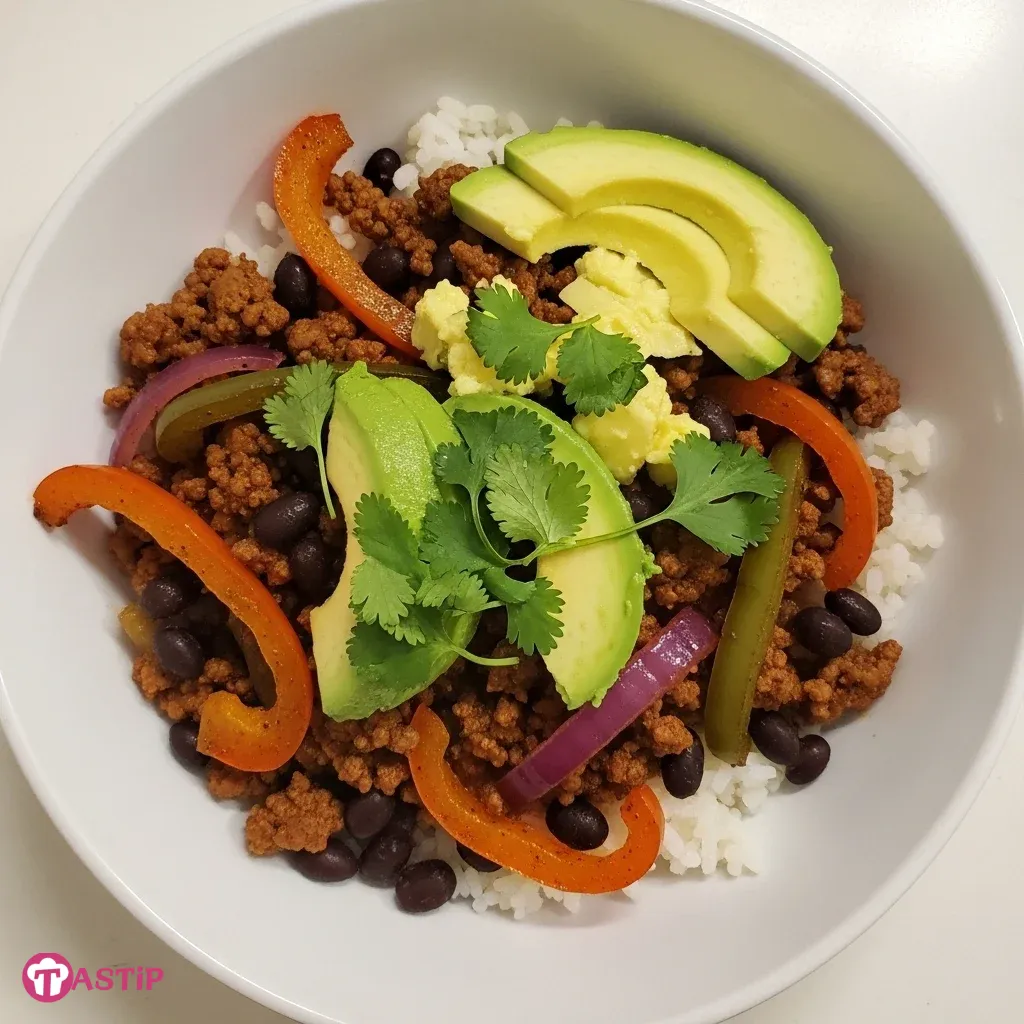
Preparing Beef Burrito Bowls at home allows you to control the quality of every single component, resulting in a meal that far surpasses any takeout alternative. These bowls offer a complex landscape of textures, ranging from the crisp snap of fresh bell peppers to the savory, concentrated richness of perfectly seared ground beef. As a former test kitchen chef, I have spent countless hours analyzing the variables that turn a simple assembly of ingredients into a balanced, high-performance meal.
The secret lies in the equilibrium between acidic brightness, healthy fats, and the Maillard reaction on the protein. These Beef Burrito Bowls provide a nutrient-dense canvas that satisfies the palate while fueling the body with complex carbohydrates and lean protein. By understanding the science of seasoning and temperature control, you will elevate this humble dish into a culinary staple. This recipe represents the perfect intersection of food science and everyday practicality.
Why You’ll Love This Beef Burrito Bowls Recipe
- Flavor Complexity: We utilize the principle of “blooming” spices in fat to unlock fat-soluble flavor compounds that typical recipes miss.
- Customizable Nutrition: You can easily adjust the macro-nutrients of these Beef Burrito Bowls by scaling the rice or adding extra fibrous greens.
- Meal Prep Efficiency: The structural integrity of the ingredients ensures that these bowls remain delicious even after three days in the refrigerator.
- Textural Contrast: The combination of creamy avocado, fluffy rice, and crunchy vegetables provides a satisfying sensory experience in every bite.
Ingredients You’ll Need
Quality is the most important variable in your kitchen laboratory. When shopping for Beef Burrito Bowls, look for the freshest produce and high-quality proteins. I recommend an 85/15 fat-to-lean ratio for the ground beef.
Fat is a primary flavor carrier; using meat that is too lean will result in a dry, crumbly texture that fails to carry the aromatic spices effectively. Furthermore, choose long-grain white rice or basmati for their lower starch content, which ensures individual, fluffy grains rather than a sticky mass.
| Category | Ingredient | Purpose/Science Note |
|---|---|---|
| Protein | 1 lb Ground Beef (85% lean) | Provides the savory base and essential fats for flavor delivery. |
| Grains | 1.5 cups Long-Grain White Rice | Acts as the carbohydrate base; rinsing removes excess surface starch. |
| Legumes | 1 can (15 oz) Black Beans | Adds plant-based protein and significant dietary fiber. |
| Produce | 2 Bell Peppers & 1 Red Onion | Provides aromatic sweetness and vitamin C. |
| Fats | 1 Large Avocado | Provides monounsaturated fats and a creamy mouthfeel. |
| Acidity | 2 Fresh Limes | Citric acid brightens the flavors and balances the richness of the beef. |
| Spices | Cumin, Chili Powder, Smoked Paprika | These spices contain aromatic oils that react to heat. |
| Liquid | 1/2 cup Low-Sodium Beef Broth | Used for deglazing the pan to incorporate browned bits (fond). |
Substitutions & Variations
Cooking is a series of chemical substitutions. If you want to modify your Beef Burrito Bowls for specific dietary goals, you must maintain the balance of moisture and texture. For a lower-calorie version, you can substitute the ground beef with ground turkey or lean bison. However, because turkey has less fat, you should add a teaspoon of olive oil to prevent the spices from tasting “dusty.”
- Low-Carb Option: Swap the white rice for cauliflower rice. To prevent it from becoming soggy, sauté it quickly over high heat to evaporate excess moisture.
- Dairy-Free Creaminess: Replace sour cream with a dollop of cashew cream or extra avocado. The goal is to provide a fatty element to coat the tongue.
- Grain Variations: Use quinoa or farro for a nuttier flavor and a higher protein-to-carb ratio. These grains have a different cellular structure and require more water to hydrate.
- Heat Levels: If you prefer more capsaicin, add minced serrano peppers or chipotle in adobo. Capsaicin is fat-soluble, so it will permeate the beef beautifully.
If you’re interested in experimenting with variations on your Beef Burrito Bowls, check out this delicious Slow Cooker Roast Beef recipe. It offers an easy way to enrich the flavors and tenderize the meat while you focus on preparing other components.
Step-by-Step Instructions
- Prepare the Rice: Rinse the rice under cold water until the water runs clear. This step is non-negotiable. By removing the exterior starch, you prevent the grains from gelatinizing into a clump. Cook the rice using a 1:2 ratio of rice to water, adding a pinch of salt to increase the boiling point and season the grain from within.
- Sear the Aromatics: Slice your peppers and onions into uniform strips. Heat a heavy skillet over medium-high heat with a tablespoon of high-smoke-point oil. Sauté the vegetables until they develop “blisters” on the skin. This indicates that the natural sugars are caramelizing. Remove and set aside.
- Brown the Beef: In the same skillet, add the ground beef. Do not break it up immediately. Let it sit for 2 minutes to allow the Maillard reaction to occur, creating a deep brown crust. This is where the “umami” flavor of your Beef Burrito Bowls originates.
- Bloom the Spices: Once the beef is mostly browned, add the cumin, chili powder, and paprika. Stir for 60 seconds. The heat will release the essential oils within the spices, intensifying their aroma and flavor.
- Deglaze the Pan: Pour in the beef broth. Use a wooden spoon to scrape the bottom of the pan. This incorporates the “fond” (the browned bits stuck to the pan) back into the meat mixture, creating a light, savory sauce.
- Warm the Beans: Drain and rinse the black beans. Add them to the beef mixture just long enough to heat through. Overcooking beans can rupture their cell walls, making them mushy.
- Assemble the Bowls: Layer the fluffy rice at the bottom of the bowl. Add a generous portion of the seasoned beef and bean mixture. Arrange the sautéed peppers and onions on top.
- The Final Flourish: Top each of the Beef Burrito Bowls with fresh avocado slices, a squeeze of lime juice, and chopped cilantro. The lime juice provides a necessary pH shift that “awakens” the other flavors on your palate.
Pro Tips for Success
As a chef, I focus on the technical details that separate a home-cooked meal from professional-grade cuisine. When making Beef Burrito Bowls, temperature management is your most powerful tool. Always allow your ground beef to come to room temperature for about 15 minutes before cooking.
If the meat is ice-cold, it will drop the pan’s temperature instantly, leading to steaming instead of searing. This results in gray meat and a loss of moisture.
Additionally, consider the “carry-over cooking” effect. Remove your beef from the heat just before it looks completely done. The internal residual heat will finish the process without over-drying the protein.
For the rice, once it finishes cooking, let it sit undisturbed with the lid on for 10 minutes. This allows the steam to redistribute evenly, ensuring every grain of your Beef Burrito Bowls is perfectly hydrated.
Finally, let’s talk about salt. Use kosher salt rather than table salt. Kosher salt has larger crystals that are easier to control, and it lacks the metallic aftertaste of iodized salt. Seasoning in layers—salting the rice water, the vegetables, and the beef separately—creates a much more cohesive flavor profile than simply salting the final dish.
Temperature control is essential for great results. To master this skill, it’s worth exploring Beef Stroganoff, another recipe that emphasizes the importance of handling meat at the right temperature for perfect flavor and texture.
Storage & Reheating Tips
The beauty of Beef Burrito Bowls lies in their structural stability. To store, allow the components to cool to approximately 70°F before placing them in airtight containers. If you seal hot food in a container, the resulting condensation will make your rice mushy and your vegetables limp. Store the fresh components, like avocado and lime, separately from the cooked components.
When reheating, use the “low and slow” method. If using a microwave, cover the bowl with a damp paper towel. This creates a small steam chamber that rehydrates the rice and keeps the beef tender.
Alternatively, you can reheat the beef and rice in a skillet over medium heat with a tablespoon of water to restore the original texture. Beef Burrito Bowls will remain safe and delicious for up to four days in the refrigerator.
What to Serve With This Recipe
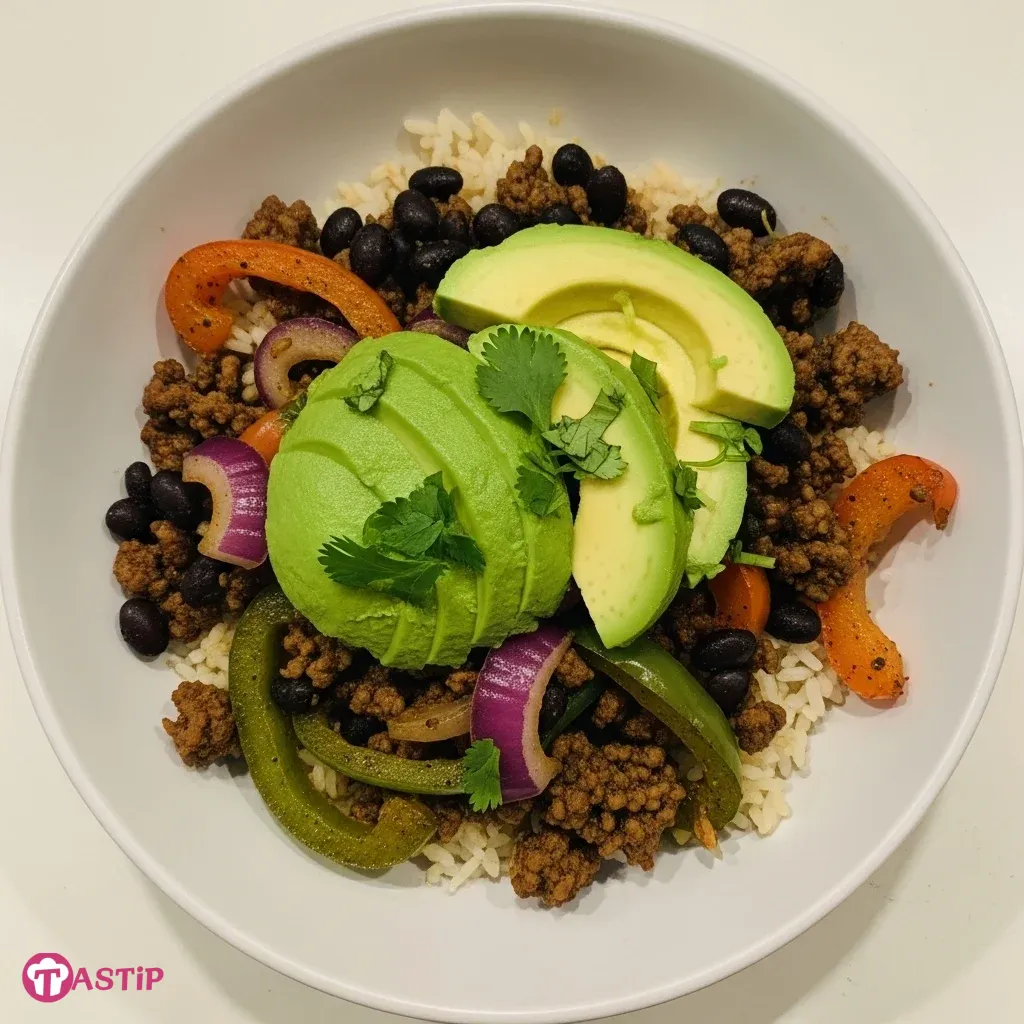
While Beef Burrito Bowls are a complete meal on their own, you can enhance the dining experience with complementary side dishes. The goal is to provide contrasting flavors and additional micronutrients. Since the bowls are quite hearty and savory, I recommend sides that are light, crisp, and slightly acidic.
- Jicama and Radish Salad: The high water content and crunch of jicama provide a refreshing palate cleanser between bites of the rich beef.
- Roasted Corn with Cotija: Charring corn kernels on a sheet pan adds a smoky sweetness that mirrors the smoked paprika in the beef.
- Grilled Zucchini: A quick sear on some zucchini rounds adds a subtle earthy flavor without adding significant calories.
Enhance your Beef Burrito Bowls with complementary sides for a truly satisfying meal. For inspiration, consider making Beef Enchiladas, which pair well with the hearty flavors of your bowls and provide a delightful contrast.
FAQs
Can I make these Beef Burrito Bowls ahead of time for work?
Absolutely. These are one of the best meal-prep options available. To keep everything fresh, I suggest packing the cold toppings—like salsa, sour cream, and avocado—in small separate containers.
Only heat the rice, beans, and beef. This prevents the fresh vegetables from becoming wilted and warm, which preserves the intended textural contrast of the Beef Burrito Bowls.
What is the best way to prevent the avocado from browning?
Avocado browning is caused by an enzyme called polyphenol oxidase reacting with oxygen. To slow this process, coat the avocado slices in lime juice. The citric acid lowers the pH on the surface, which inhibits the enzyme’s activity. Additionally, keeping the pit in the container or using plastic wrap pressed directly against the surface of the fruit will minimize oxygen exposure.
Can I use brown rice instead of white rice?
Yes, but you must account for the difference in grain structure. Brown rice retains the bran and germ, which means it requires more water and a longer cooking time (usually about 40-45 minutes). The result will be a chewier texture and a nuttier flavor for your Beef Burrito Bowls. If you choose brown rice, ensure you still rinse it to remove dust and debris.
Beef Burrito Bowls are a versatile and customizable dish that allows chefs to mix flavors and textures to suit personal preferences. These elaborate bowls offer not just a hearty meal, but also contribute to balanced nutrition through a variety of ingredients, making them a popular choice among food enthusiasts and home cooks alike. Learn more about this culinary favorite in the context of Mexican cuisine.
Nutrition Information (per serving)
The following data represents an approximate nutritional breakdown for one serving of these Beef Burrito Bowls. These values may vary based on the specific brands of ingredients you select and the exact fat content of your beef.
| Nutrient | Amount per Serving |
|---|---|
| Calories | 580 kcal |
| Total Fat | 24g |
| Saturated Fat | 8g |
| Cholesterol | 75mg |
| Sodium | 650mg |
| Total Carbohydrates | 52g |
| Dietary Fiber | 11g |
| Sugars | 4g |
| Protein | 38g |
By focusing on the biological and chemical processes of cooking, you have turned a standard recipe into a precise culinary exercise. These Beef Burrito Bowls are more than just a quick dinner; they are a testament to how small technical adjustments—like rinsing rice and blooming spices—can yield professional results. Enjoy your creation, and remember that understanding the “why” behind the “how” is what truly makes you a master of your kitchen.
Print
Beef Burrito Bowls
- Total Time: 30 mins
- Yield: 4 servings 1x
- Diet: Gluten Free
Description
Beef Burrito Bowls are a customizable meal that combines the savory flavor of seasoned ground beef with fluffy rice and fresh vegetables. This nutrient-dense bowl is versatile and perfect for meal prep, offering a satisfying and balanced dish.
Ingredients
1 lb Ground Beef (85% lean)
1.5 cups Long-Grain White Rice
1 can (15 oz) Black Beans
2 Bell Peppers
1 Red Onio
1 Large Avocado
2 Fresh Limes
1 tsp Cumi
1 tbsp Chili Powder
1 tsp Smoked Paprika
1/2 cup Low-Sodium Beef Broth
Instructions
- Prepare the rice by rinsing it under cold water until the water runs clear. Cook the rice using a 1:2 ratio of rice to water with a pinch of salt
- Slice the bell peppers and onion into uniform strips. Heat a skillet over medium-high heat with oil and sauté until blistered
- In the same skillet, add the ground beef and allow it to sear for 2 minutes before breaking it up to develop a brown crust
- Add cumin, chili powder, and paprika to the beef, stirring for 60 seconds to bloom the spices
- Deglaze the pan with beef broth, scraping the bottom to incorporate the fond into the mixture
- Drain and rinse the black beans, adding them to the beef mixture to heat through
- Assemble bowls by layering rice, the beef and bean mixture, and topped with sautéed peppers and onions
- Finish with avocado slices, lime juice, and cilantro
Notes
Allow ground beef to come to room temperature before cooking for better searing.
Use kosher salt for better control in seasoning.
- Prep Time: 20 mins
- Cook Time: 10 mins
- Category: Dinner
- Method: Stovetop
- Cuisine: American
Nutrition
- Serving Size: 1 bowl
- Calories: 580 kcal
- Sugar: 4g
- Sodium: 650mg
- Fat: 24g
- Saturated Fat: 8g
- Unsaturated Fat: 16g
- Trans Fat: 0g
- Carbohydrates: 52g
- Fiber: 11g
- Protein: 38g
- Cholesterol: 75mg