
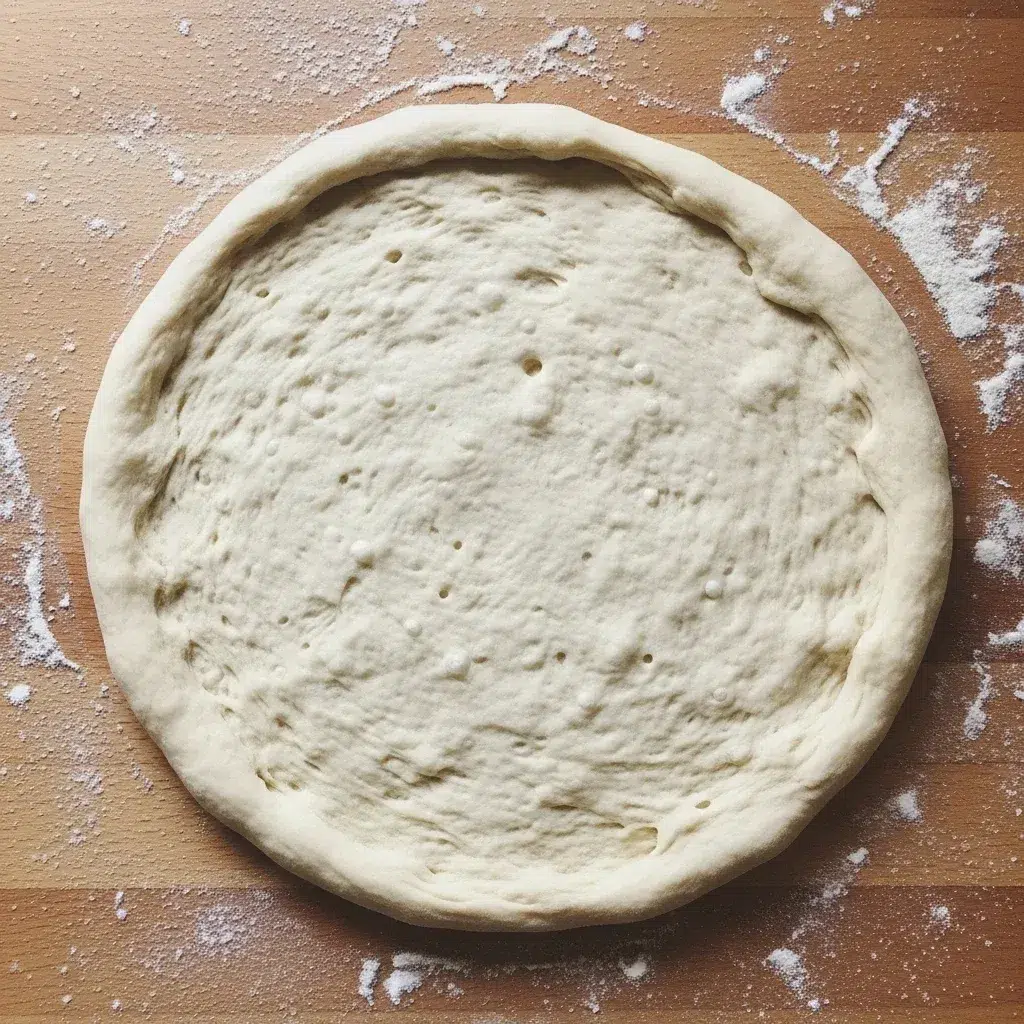
Achieving the perfect Chewy Pizza Dough requires a balance of hydration and protein development. You want a crust that offers a satisfying resistance to the teeth while maintaining a soft, airy interior. This recipe focuses on the structural science of high-gluten flour and controlled fermentation to create that classic New York-style pull.
You will notice a subtle sweetness from the yeast and a complex aroma that only a properly developed dough can provide. Whether you use a pizza stone or a standard baking sheet, this method ensures a consistent professional result. Let us dive into the mechanics of the perfect slice.
Why You’ll Love This Chewy Pizza Dough Recipe
- The high protein content creates a structural network that yields a superior, toothsome texture.
- Long fermentation times develop complex organic acids, resulting in an artisanal flavor profile.
- This versatile dough handles easily, allowing you to stretch it thin without tearing.
- The inclusion of olive oil provides a tender crumb while promoting beautiful browning.
Ingredients You’ll Need
Focusing on ingredient quality is the first step toward a successful bake. For a truly Chewy Pizza Dough, you must select ingredients that support gluten development. Bread flour is non-negotiable here because its higher protein content (typically 12-14%) provides the strength needed for that signature chew.
Use filtered water to ensure no chlorine interferes with your yeast activity. High-quality sea salt enhances the flavor while regulating the fermentation rate.
| Ingredient | Quantity | Purpose |
|---|---|---|
| Bread Flour | 500g (approx. 3.75 cups) | Provides high protein for gluten structure and chewiness. |
| Warm Water (105°F) | 325g (1.3 cups) | Hydrates the flour and activates the yeast. |
| Instant Yeast | 7g (1 packet) | Responsible for leavening and flavor development. |
| Fine Sea Salt | 10g (2 tsp) | Strengthens gluten and enhances taste. |
| Extra Virgin Olive Oil | 15g (1 tbsp) | Improves crust tenderness and aids in browning. |
| Honey or Sugar | 5g (1 tsp) | Feeds the yeast and encourages the Maillard reaction. |
Substitutions & Variations
While I recommend sticking to the base recipe for the best Chewy Pizza Dough, you can experiment with healthy swaps. Use White Whole Wheat Flour for up to 25% of the total flour weight to increase fiber without making the crust too dense. If you need a lower glycemic index, substitute the honey with agave nectar or omit the sweetener entirely.
For a Mediterranean twist, fold in two tablespoons of freshly chopped rosemary or dried oregano during the final stages of kneading. To reduce sodium, you can decrease the salt to 7 grams, though this may result in a slightly faster-rising, less flavorful dough.
While exploring variations for your Chewy Pizza Dough, consider trying out some delicious chewy desserts. You might enjoy our Chewy Brownies for a sweet treat that complements your pizza night.
Step-by-Step Instructions
- Activate the Yeast: Combine the warm water, honey, and instant yeast in a large mixing bowl. Let it sit for five minutes until a light foam forms on the surface. This step ensures your yeast is alive and ready to work.
- Mix the Dry Ingredients: Whisk the bread flour and sea salt together in a separate container. Gradually add the dry mixture to the yeast water while stirring with a sturdy wooden spoon.
- Incorporate the Oil: Once a shaggy dough forms, drizzle the olive oil over the top. Use your hands to squeeze the oil into the dough until fully incorporated.
- The Initial Knead: Transfer the dough to a lightly floured surface. Knead the Chewy Pizza Dough for 8 to 10 minutes. You are looking for a smooth, elastic surface that passes the windowpane test.
- Bulk Fermentation: Place the dough in a lightly greased bowl and cover it with a damp cloth. Let it rise in a warm, draft-free spot for 60 to 90 minutes, or until it doubles in size.
- Portion and Shape: Gently deflate the dough and divide it into two or three equal portions. Shape each portion into a tight ball by tensioning the surface against your worktop.
- Cold Ferment (Optional but Recommended): For the best texture, place the dough balls in individual containers and refrigerate for 24 to 72 hours. This cold environment slows down yeast activity and allows enzymes to break down starches into flavorful sugars.
- Final Stretch: Remove the dough from the fridge two hours before baking. Gently stretch the Chewy Pizza Dough into your desired shape on a piece of parchment paper or a floured peel.
- Bake: Preheat your oven to its highest setting (usually 500°F or 550°F) with a pizza stone inside. Slide the pizza onto the stone and bake for 8 to 12 minutes until the crust is charred and the cheese is bubbly.
Pro Tips for Success
As a chef, I cannot stress enough the importance of hydration. This recipe uses a 65% hydration level, which is the “sweet spot” for a Chewy Pizza Dough. Higher hydration creates more steam during baking, leading to larger air pockets in the crust.
Furthermore, always use a digital kitchen scale. Measuring flour by the cup is notoriously inaccurate because packing density varies.
Another technical secret involves the windowpane test. To perform this, tear off a small piece of dough and gently stretch it between your fingers. If you can stretch it thin enough to see light through it without it breaking, your gluten network is fully developed.
If it snaps, keep kneading. Moreover, do not use a rolling pin. Rolling pins crush the delicate air bubbles you worked so hard to create. Use your knuckles and gravity to stretch the dough for a superior crumb.
Temperature control is also paramount. If your kitchen is cold, your dough will take much longer to rise. You can create a “proof box” by placing the dough in an unlit oven with a bowl of boiling water on the rack below.
The steam provides warmth and moisture, ensuring your Chewy Pizza Dough rises consistently. Finally, remember that the “chew” comes from protein. If you use all-purpose flour instead of bread flour, you will end up with a softer, more biscuit-like crust rather than the elastic, chewy texture we are aiming for.
To fully grasp the importance of hydration in dough making, you may also find value in baking cookies with an ideal moisture content. Check out these 15 Soft & Chewy Pumpkin Cookies You Can’t Resist for a delightful balance of flavor and texture.
Storage & Reheating Tips
You can store fresh Chewy Pizza Dough in the refrigerator for up to five days. Ensure the container is airtight to prevent the surface from drying out and forming a “skin.” If you wish to freeze the dough, wrap each ball tightly in plastic wrap and place them in a freezer-safe bag.
Frozen dough stays good for up to three months. To use, thaw it in the refrigerator overnight and let it sit at room temperature for two hours before stretching.
When reheating leftover pizza, avoid the microwave. Microwaves make the crust rubbery and tough. Instead, place a cold slice in a dry non-stick skillet over medium heat.
Cover the pan for two minutes to melt the cheese, then remove the lid and cook for another minute to crisp the bottom. This method restores the original Chewy Pizza Dough texture perfectly.
What to Serve With This Recipe
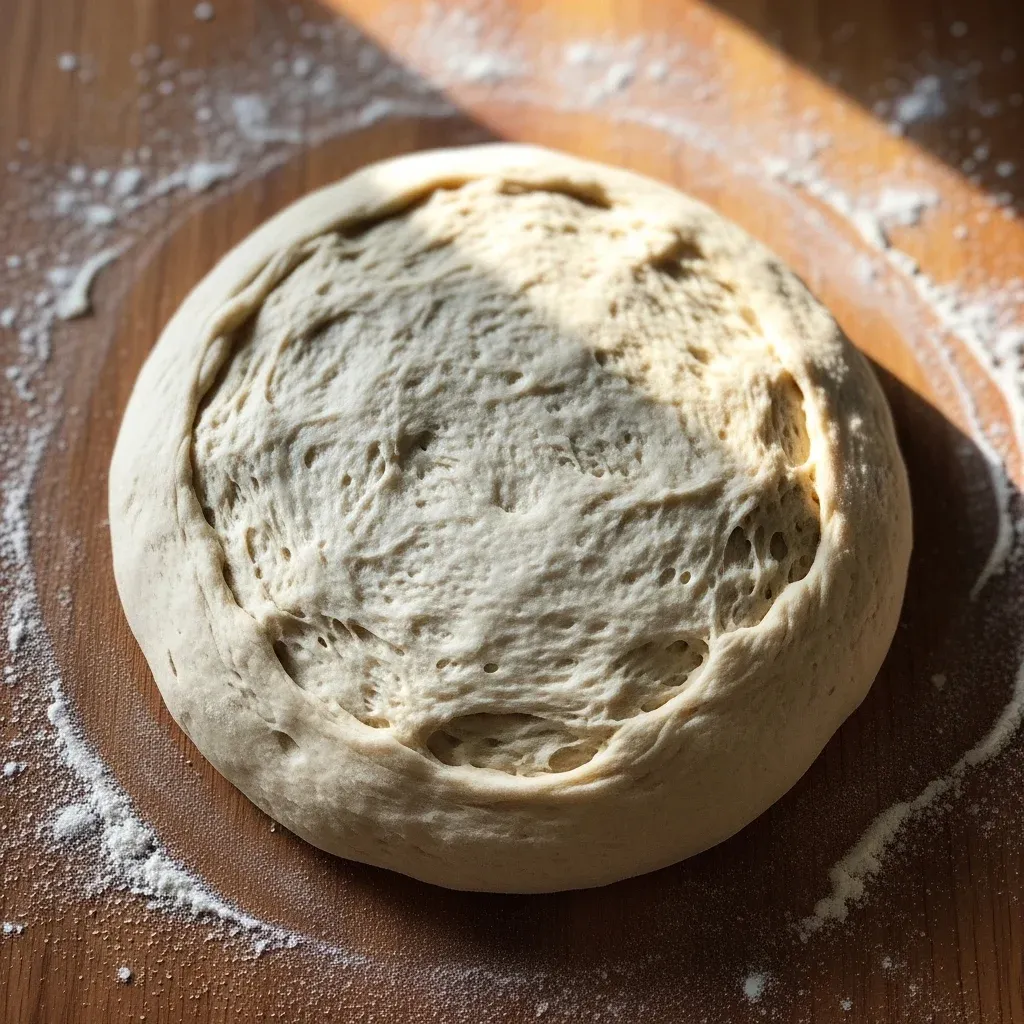
Since pizza can be calorie-dense, I always pair it with light, nutrient-rich sides. A classic arugula salad with shaved parmesan and a lemon-tahini dressing provides a bright acidity that cuts through the richness of the cheese. You might also consider roasted Mediterranean vegetables, such as bell peppers, zucchini, and eggplant, seasoned with balsamic glaze. For a crunchy contrast, a side of garlic-roasted broccolini with red pepper flakes adds fiber and vitamins without overwhelming the main course.
Pairing your pizza with light and nutritious sides can elevate your meal. For an easy and flavorful option, consider our Garlic Butter Steak Bites for a hearty yet balanced addition to your dining experience.
FAQs
Can I make this Chewy Pizza Dough without a stand mixer?
Yes, you absolutely can. In fact, kneading by hand allows you to feel the changes in the dough’s elasticity. It takes about 10 minutes of vigorous kneading to reach the same level of gluten development that a mixer achieves in five minutes. Hand-kneading is a great way to understand the science of protein bonding.
Why is my pizza dough snapping back when I try to stretch it?
This phenomenon is known as dough elasticity, caused by tight gluten strands. If the dough resists stretching, it simply needs to rest. Cover it and let it sit for 15 minutes at room temperature. This allows the gluten to relax, making the Chewy Pizza Dough much more extensible and easier to shape.
Can I use this recipe for deep-dish pizza?
While this recipe is optimized for a chewy, New York-style thin crust, it works surprisingly well for pan pizza. To adapt it, generously oil a cast-iron skillet with olive oil and press the dough into the bottom. Let it proof in the pan for an additional 45 minutes before topping and baking to achieve a thicker, fluffier structure.
The art of creating Chewy Pizza Dough lies in understanding the interplay between hydration and gluten development, which creates a characteristic texture that many pizza lovers adore. Learning more about culinary techniques can enhance your baking skills, particularly when you delve into the fascinating world of baking.
Nutrition Information (per serving)
This recipe makes approximately 8 servings (based on 1/3 of a standard 12-inch pizza crust).
| Calories | 245 kcal |
| Total Fat | 3g |
| Saturated Fat | 0.5g |
| Cholesterol | 0mg |
| Sodium | 485mg |
| Total Carbohydrates | 46g |
| Dietary Fiber | 2g |
| Sugars | 1g |
| Protein | 8g |
Chewy Pizza Dough
- Total Time: 32 mins
- Yield: 2-3 servings 1x
- Diet: Gluten Free
Description
Achieving the perfect Chewy Pizza Dough requires a balance of hydration and protein development. This recipe focuses on high-gluten flour and controlled fermentation to create a classic New York-style pull. The dough offers a satisfying texture with a soft, airy interior and a subtle sweetness from the yeast. Ideal for baking on a pizza stone or standard sheet.
Ingredients
500g Bread Flour
325g Warm Water
7g Instant Yeast
10g Fine Sea Salt
15g Extra Virgin Olive Oil
5g Honey or Sugar
Instructions
- Combine the warm water, honey, and instant yeast in a large mixing bowl. Let it sit for five minutes until a light foam forms
- Whisk the bread flour and sea salt together in a separate container. Gradually add the dry mixture to the yeast water while stirring
- Drizzle olive oil over the top and squeeze it into the dough until fully incorporated
- Transfer the dough to a lightly floured surface and knead for 8 to 10 minutes until smooth and elastic
- Place the dough in a greased bowl, cover with a damp cloth, and let it rise for 60 to 90 minutes or until doubled in size
- Gently deflate the dough, divide it into portions, and shape each into a tight ball
- For improved texture, refrigerate the dough balls for 24 to 72 hours
- Remove the dough from the fridge two hours before baking, then stretch into desired shape
- Preheat oven to 500°F (or 550°F) with the pizza stone inside and bake for 8 to 12 minutes
Notes
Use a digital kitchen scale for accurate measurements.
Perform the windowpane test to check gluten development.
Do not use a rolling pin; stretch by hand to maintain air bubbles.
- Prep Time: 20 mins
- Cook Time: 12 mins
- Category: Dinner
- Method: Baking
- Cuisine: American
Nutrition
- Serving Size: 1 slice
- Calories: 245 kcal
- Sugar: 1g
- Sodium: 485mg
- Fat: 3g
- Saturated Fat: 0.5g
- Unsaturated Fat: 2.5g
- Trans Fat: 0g
- Carbohydrates: 46g
- Fiber: 2g
- Protein: 8g
- Cholesterol: 0mg