
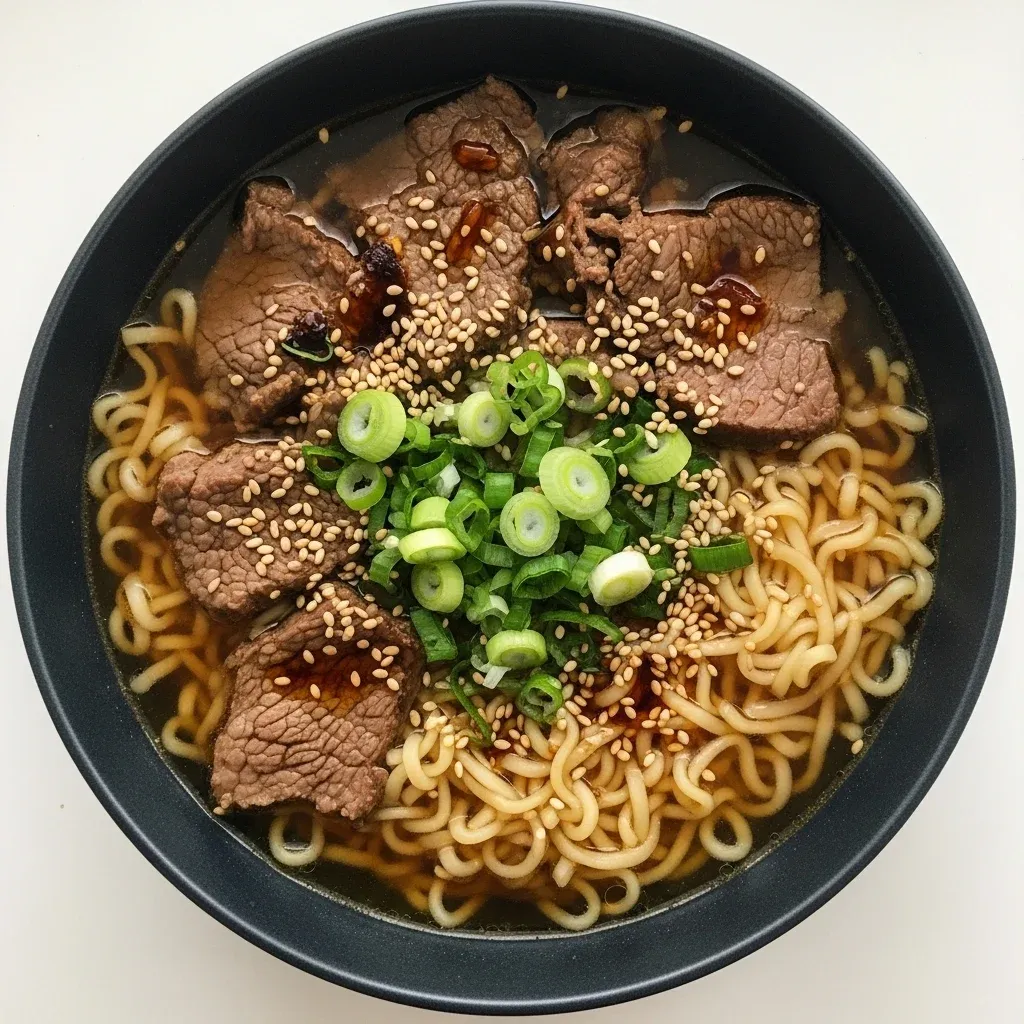
Creating a bowl of Homemade Beef Ramen at home provides a level of satisfaction that restaurant versions often cannot match because you control the variables. You determine the depth of the broth, the quality of the protein, and the final salt concentration for a perfectly balanced meal. This recipe delivers a rich, umami-forward experience with tender slices of seared beef and springy, satisfying noodles.
Understanding the chemistry of the broth helps you achieve that velvety mouthfeel without relying on excessive fat or artificial additives. By focusing on the Maillard reaction and proper aromatic extraction, you will produce a professional-grade bowl in your own kitchen.
This Homemade Beef Ramen transforms simple pantry staples into a gourmet masterpiece that nourishes the body and the soul. I have spent years in test kitchens perfecting this balance, and I am excited to share the science behind it with you.
Why You’ll Love This Homemade Beef Ramen Recipe
- Deep Umami Complexity: We utilize a combination of charred aromatics, soy sauce, and beef stock to create a complex flavor profile that mimics long-simmered traditional broths.
- Perfectly Seared Protein: By using high-heat techniques, we ensure the beef remains tender while developing a flavorful crust that enhances the entire Homemade Beef Ramen experience.
- Nutrient-Dense Ingredients: This recipe incorporates fresh ginger, garlic, and lean proteins, providing essential vitamins and minerals without the high sodium found in instant packets.
- Customizable Texture: You have complete control over the noodle consistency, allowing you to achieve that perfect al dente snap that defines high-quality Homemade Beef Ramen.
Ingredients You’ll Need
Quality ingredients are the foundation of any great dish, especially when you are making Homemade Beef Ramen. I recommend sourcing the freshest aromatics possible, as their volatile oils provide the primary scent and flavor notes. For the beef, a flank steak or a well-marbled ribeye works best because these cuts respond well to quick searing.
The noodles should ideally be alkaline noodles, which have a specific pH that gives them their characteristic yellow color and chewy texture. If you cannot find fresh ramen noodles, high-quality dried versions still yield excellent results when cooked with precision.
| Category | Ingredient | Quantity | Notes |
|---|---|---|---|
| Protein | Flank Steak or Sirloin | 1 lb | Thinly sliced against the grain |
| Base | Beef Stock (Low Sodium) | 6 cups | Use high-quality bone broth if available |
| Aromatics | Fresh Ginger | 2-inch piece | Sliced into rounds to increase surface area |
| Aromatics | Garlic Cloves | 4 large cloves | Smashed to release essential oils |
| Flavor | Soy Sauce | 3 tbsp | Adds essential glutamates for umami |
| Flavor | Sesame Oil | 1 tbsp | Provides a nutty, aromatic finish |
| Noodles | Ramen Noodles | 12 oz | Fresh or dried alkaline noodles |
| Vegetables | Baby Bok Choy | 2 heads | Quartered for quick steaming in the broth |
| Garnish | Green Onions | 3 stalks | Thinly sliced on a bias |
Substitutions & Variations
While the classic Homemade Beef Ramen is hard to beat, you can easily modify this recipe to suit specific dietary needs or preferences. If you want to reduce the carbohydrate load, consider replacing the traditional wheat noodles with “zoodles” (spiralized zucchini) or shirataki noodles.
These alternatives absorb the broth beautifully while keeping the meal light. For a lower sodium version, always opt for liquid aminos or coconut aminos instead of traditional soy sauce; these provide a similar savory depth with a fraction of the salt content.
Furthermore, you can swap the beef for other lean proteins like sliced chicken breast or even firm tofu. If you choose tofu, I recommend pressing it first to remove excess moisture and searing it in sesame oil until the exterior is crispy. This creates a wonderful textural contrast within the Homemade Beef Ramen.
For those who enjoy heat, adding a teaspoon of chili crisp or a few slices of fresh Thai bird’s eye chili will elevate the flavor profile without adding unnecessary calories. Always remember that the goal of Homemade Beef Ramen is balance; if you add spice, consider adding a splash of rice vinegar to provide a hit of acidity that cuts through the heat.
While the classic Homemade Beef Ramen is hard to beat, you can easily modify this recipe to suit specific dietary needs or preferences. If you’re looking for a delightful homemade bread to accompany your ramen, try this Homemade Brioche for a decadent side.
Step-by-Step Instructions
- Prepare the Aromatics: Start by smashing the garlic and slicing the ginger. In a large heavy-bottomed pot, heat a teaspoon of oil over medium heat. Add the garlic and ginger, sautéing them until they become fragrant and slightly browned. This process, known as tempering, allows the fat to carry the flavors throughout the entire Homemade Beef Ramen broth.
- Build the Broth: Pour the beef stock into the pot with the aromatics. Add the soy sauce and a splash of mirin if you have it. Bring the mixture to a gentle simmer. Do not let it reach a rolling boil, as high heat can break down the delicate flavor compounds in the ginger and garlic. Let this simmer for at least 20 minutes to extract the maximum amount of flavor.
- Sear the Beef: While the broth simmers, heat a cast-iron skillet over high heat with a tablespoon of high-smoke-point oil. Season your thinly sliced beef with a pinch of salt. Place the beef in the skillet in a single layer. Sear each side for about 60 seconds. You want to trigger the Maillard reaction—a chemical reaction between amino acids and reducing sugars that gives browned food its distinctive flavor. Once seared, remove the beef and set it aside to rest.
- Cook the Noodles and Greens: In a separate pot of boiling water, cook your ramen noodles according to the package instructions. Traditionally, you want them “katame” or firm. During the last two minutes of the broth simmering, add the quartered bok choy directly into the broth. The steam from the broth will gently wilt the greens while keeping them vibrant.
- Assemble the Bowl: Place a portion of noodles into each bowl. Ladle the hot, aromatic broth over the noodles, ensuring you include some of the wilted bok choy. Carefully arrange the seared beef slices on top. The residual heat from the broth will finish bringing the beef to the perfect temperature without overcooking it.
- Garnish and Serve: Top your Homemade Beef Ramen with sliced green onions, a drizzle of sesame oil, and perhaps a soft-boiled egg. Serve immediately while the temperature is at its peak to ensure the best texture and aroma.
Pro Tips for Success
To truly master Homemade Beef Ramen, you must pay attention to the small technical details. First, always cook your noodles in a separate pot of water rather than directly in the broth. If you cook them in the broth, the starch from the noodles will leach out, thickening the soup and making it cloudy.
We want a clear, clean broth that showcases the beef flavor. As a former test kitchen chef, I cannot stress this enough: starch management is the key to professional-quality ramen.
Second, consider the “Tare.” The tare is the concentrated seasoning base used in professional ramen shops.
While our recipe simplifies this by simmering the aromatics in the stock, you can enhance your Homemade Beef Ramen by creating a quick “aromatic oil.” Simply fry some scallion whites and garlic in oil until they are dark brown, then strain the oil and drizzle it over the finished bowl. This adds a layer of “fatty” mouthfeel and intense aroma that defines the best bowls of Homemade Beef Ramen.
Finally, always slice your beef against the grain. This shortens the muscle fibers, ensuring every bite is tender rather than chewy.
To truly master Homemade Beef Ramen, you must pay attention to the small technical details. For those interested in perfecting their homemade beverages, consider trying out this Homemade Apple Cider to enjoy alongside your meal.
Storage & Reheating Tips
Storing Homemade Beef Ramen requires a strategic approach to prevent the noodles from becoming mushy. Always store the broth and the noodles in separate containers. The noodles will continue to absorb liquid even when cold, which ruins their structure.
You can keep the broth in an airtight container in the refrigerator for up to four days. The cooked beef should also be stored separately to maintain its texture.
When you are ready to enjoy your leftovers, reheat the broth in a small saucepan until it reaches a simmer. Meanwhile, place the cold noodles in a strainer and dip them into a pot of boiling water for just 30 seconds to loosen them up and take the chill off. Place the noodles in a bowl, add the cold beef, and pour the boiling broth over the top.
This method reheats the beef gently, preventing it from becoming tough. Using this technique ensures your Homemade Beef Ramen tastes just as fresh on day two as it did on day one.
What to Serve With This Recipe
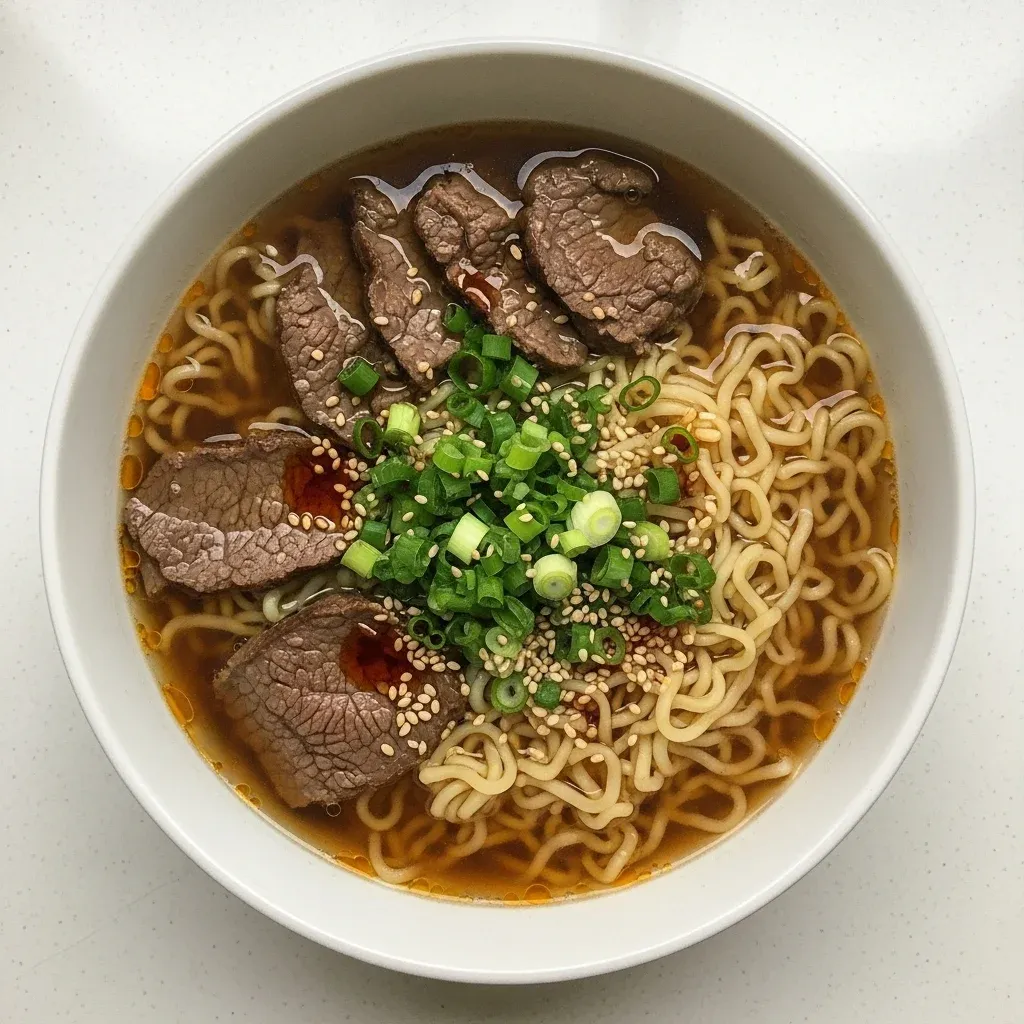
While a bowl of Homemade Beef Ramen is quite filling on its own, pairing it with light, acidic, or crunchy sides can balance the richness of the beef broth. A simple smashed cucumber salad with rice vinegar and chili flakes is a classic choice.
The acidity of the vinegar acts as a palate cleanser, making each sip of the savory broth taste as vibrant as the first. Additionally, steamed edamame with sea salt provides a boost of plant-based protein and a fun textural element to the meal.
If you want to incorporate more vegetables, a side of roasted broccoli with a ginger-soy glaze complements the flavors of the Homemade Beef Ramen perfectly. The charred edges of the broccoli mirror the seared notes of the beef. For a more traditional experience, serve some gyoza (Japanese dumplings) on the side. When looking for healthy pairings, focus on fiber-rich vegetables that are not overly heavy on oils, as the ramen broth already provides plenty of healthy fats and savory depth.
While a bowl of Homemade Beef Ramen is quite filling on its own, pairing it with light, acidic, or crunchy sides can balance the richness of the beef broth. A great option to consider is a Homemade Chicken Noodle Soup that brings a contrasting flavor profile to your dining experience.
FAQs
What is the best cut of beef for Homemade Beef Ramen?
For the best results in Homemade Beef Ramen, I recommend flank steak, sirloin, or ribeye. These cuts are tender and can be sliced very thinly. If you are on a budget, chuck roast can work, but it requires a much longer simmering time in the broth to break down the connective tissue (collagen) into gelatin, whereas the quicker searing method works best with the more tender cuts mentioned.
Can I make Homemade Beef Ramen gluten-free?
Yes, you can easily adapt Homemade Beef Ramen for a gluten-free diet. Simply replace the wheat-based ramen noodles with gluten-free rice noodles or buckwheat soba (ensure they are 100% buckwheat). Additionally, swap the soy sauce for tamari or coconut aminos, which are naturally gluten-free and provide the same savory umami punch required for a high-quality broth.
How do I get the perfect soft-boiled egg for my ramen?
The “Ajitsuke Tamago” or marinated soft-boiled egg is a staple of Homemade Beef Ramen. To achieve this, lower cold eggs into boiling water and cook them for exactly six minutes and thirty seconds. Immediately transfer them to an ice bath to stop the cooking process.
Once cooled, peel them and let them soak in a mixture of soy sauce and mirin for a few hours. This creates a jammy yolk that enriches the broth beautifully.
Homemade Beef Ramen is a dish that exemplifies the beauty of Japanese noodle soups, where rich flavors and premium ingredients come together. Crafting your own broth allows for greater control over taste and quality, offering a more personalized culinary experience, similar to the principles found in traditional noodle soup preparations, which can be explored further in this comprehensive overview.
Nutrition Information (per serving)
This Homemade Beef Ramen provides a balanced macronutrient profile, offering high protein for muscle repair and complex carbohydrates for sustained energy. By using low-sodium broth and lean beef, we keep the caloric density manageable while maximizing flavor. Below is the approximate nutritional breakdown for one large serving of Homemade Beef Ramen.
| Nutrient | Amount per Serving |
|---|---|
| Calories | 485 kcal |
| Total Fat | 14g |
| Saturated Fat | 4g |
| Cholesterol | 65mg |
| Sodium | 980mg |
| Total Carbohydrates | 52g |
| Dietary Fiber | 4g |
| Sugars | 3g |
| Protein | 38g |
Homemade Beef Ramen
- Total Time: 30 mins
- Yield: 4 servings 1x
- Diet: Gluten Free (if using gluten-free noodles)
Description
This Homemade Beef Ramen transforms simple pantry staples into a gourmet masterpiece that nourishes the body and the soul. Enjoy a rich, umami-forward experience with tender slices of seared beef and springy, satisfying noodles.
Ingredients
1 lb Flank Steak or Sirloin, thinly sliced against the grai
6 cups Beef Stock (Low Sodium), use high-quality bone broth if available
2-inch piece Fresh Ginger, sliced into rounds
4 large Garlic Cloves, smashed
3 tbsp Soy Sauce
1 tbsp Sesame Oil
12 oz Ramen Noodles, fresh or dried alkaline noodles
2 heads Baby Bok Choy, quartered
3 stalks Green Onions, thinly sliced on a bias
Instructions
- Start by smashing the garlic and slicing the ginger. In a large heavy-bottomed pot, heat a teaspoon of oil over medium heat. Add the garlic and ginger, sautéing until fragrant and slightly browned
- Pour the beef stock into the pot with the aromatics. Add the soy sauce. Bring to a gentle simmer and let simmer for at least 20 minutes
- While the broth simmers, heat a cast-iron skillet over high heat with a tablespoon of oil. Season the thinly sliced beef with a pinch of salt. Sear each side for about 60 seconds, then remove and set aside
- In a separate pot, cook the ramen noodles according to package instructions. During the last two minutes of the broth simmering, add the quartered bok choy directly into the broth
- Place a portion of noodles into each bowl. Ladle the hot broth over the noodles, including some wilted bok choy. Arrange the seared beef slices on top
- Top with sliced green onions, a drizzle of sesame oil, and serve immediately
Notes
Store the broth and the noodles in separate containers to avoid mushy noodles when reheating.
- Prep Time: 20 mins
- Cook Time: 10 mins
- Category: Dinner
- Method: Simmering and Searing
- Cuisine: Japanese
Nutrition
- Serving Size: 1 bowl
- Calories: 485 kcal
- Sugar: 3g
- Sodium: 980mg
- Fat: 14g
- Saturated Fat: 4g
- Unsaturated Fat: Total Fat: 14g (specific unsaturated breakdown not provided)
- Trans Fat: 0g
- Carbohydrates: 52g
- Fiber: 4g
- Protein: 38g
- Cholesterol: 65mg