
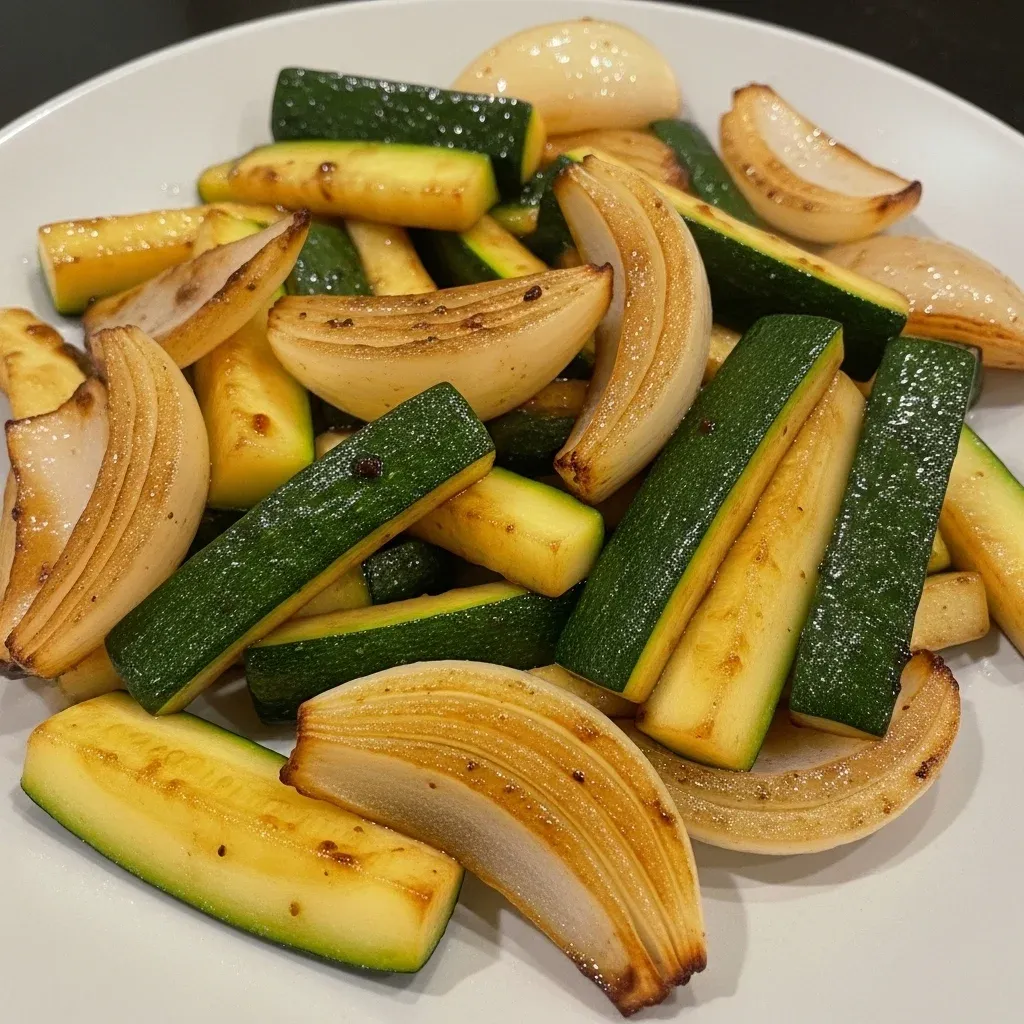
Walking through the bustling streets of Tokyo or sitting at a lively teppanyaki grill in Kobe, you quickly realize the magic of simple ingredients treated with respect. Hibachi Zucchini and Onions captures that high-heat sear and savory umami finish perfectly in your own kitchen. The zucchini remains crisp-tender, while the onions caramelize into sweet, buttery perfection under the intense heat.
This dish brings the theatrical Japanese steakhouse experience right to your dining table without the need for a massive flat-top grill. You only need a few pantry staples to transform humble vegetables into a gourmet side dish that tastes like a professional chef prepared it. Let’s dive into this vibrant, soy-glazed sensation that balances salt, fat, and crunch in every single bite. This Hibachi Zucchini and Onions recipe celebrates the harmony of textures that defines authentic Japanese-inspired comfort food.
Why You’ll Love This Hibachi Zucchini and Onions Recipe
- Explosion of Umami: The combination of soy sauce, butter, and garlic creates a rich, savory glaze that coats every vegetable slice.
- Lightning Fast Cooking: You can prepare this entire side dish in less than 15 minutes, making it perfect for busy weeknights.
- Health-Conscious Comfort: It provides a low-carb, nutrient-dense alternative to heavier sides while still delivering satisfying, bold flavors.
- Versatile Pairing: This dish complements everything from grilled steak and chicken to fried rice or even a simple bowl of quinoa.
Ingredients You’ll Need
In my travels, I have learned that the quality of your produce dictates the soul of the dish. For the most authentic Hibachi Zucchini and Onions, choose firm, heavy zucchinis with vibrant green skin. Avoid those that feel soft or look dull, as they will turn mushy in the pan.
The onions should be crisp and pungent, providing a sharp contrast to the earthy zucchini. Use a high-quality salted butter to help with the browning process, and ensure your soy sauce is fresh for the best fermented depth. A touch of toasted sesame oil at the very end adds that unmistakable nutty aroma found in the best teppanyaki houses.
| Ingredient | Quantity | Notes |
|---|---|---|
| Zucchini | 2 medium-sized | Cut into 2-inch sticks (batonnet style) |
| Sweet Onion | 1 large | Cut into thick wedges or 1-inch chunks |
| Salted Butter | 2 tablespoons | High-quality grass-fed butter is best |
| Vegetable Oil | 1 tablespoon | Use an oil with a high smoke point (avocado or grapeseed) |
| Soy Sauce | 2 tablespoons | Use Tamari for a gluten-free option |
| Garlic | 3 cloves | Freshly minced for maximum pungency |
| Toasted Sesame Oil | 1 teaspoon | Added at the end for aromatic finish |
| Black Pepper | To taste | Freshly cracked provides the best bite |
| Toasted Sesame Seeds | 1 teaspoon | For garnish and added texture |
Substitutions & Variations
Adopting a healthier lifestyle does not mean sacrificing the bold essence of Hibachi Zucchini and Onions. If you are watching your sodium intake, swap the traditional soy sauce for coconut aminos. This alternative offers a slightly sweeter profile while significantly reducing salt levels.
For those following a vegan diet, replace the butter with a high-quality vegan buttery spread or extra virgin olive oil, though you may lose a bit of that classic steakhouse richness. If you want to add more fiber and color, consider tossing in some sliced bell peppers or mushrooms.
These vegetables thrive under the same high-heat conditions and absorb the soy-garlic glaze beautifully. You can also substitute the white sugar (often used in some variations) with a teaspoon of honey or maple syrup for a more natural sweetness that aids in caramelization.
If you’re focusing on healthier ingredients, consider trying Japanese Clear Soup. It pairs beautifully with the flavors of Hibachi Zucchini and Onions, enhancing your meal’s profile while keeping it light. Find the recipe here.
Step-by-Step Instructions
- Prep the Vegetables: Begin by washing the zucchini and drying them thoroughly. Cut off the ends and slice them into 2-inch long sticks. Slice the onion into thick wedges, ensuring they are roughly the same size as the zucchini to promote even cooking.
- Heat the Pan: Place a large skillet or wok over medium-high heat. Add the vegetable oil. It is crucial to wait until the oil is shimmering and slightly smoking before adding the vegetables. This ensures the Hibachi Zucchini and Onions get a proper sear rather than steaming.
- Sear the Onions: Toss the onion wedges into the hot pan first. Let them sit undisturbed for about 2 minutes to develop a golden-brown char. Stir occasionally until they begin to soften but still retain a slight crunch.
- Add the Zucchini: Add the zucchini sticks to the pan with the onions. Spread them out in a single layer if possible. Sauté for 3 to 5 minutes, tossing frequently. You want the edges to brown while the centers remain firm.
- Introduce the Aromatics: Create a small well in the center of the pan. Drop in the butter and the minced garlic. Let the butter melt and the garlic become fragrant (about 30 seconds), then toss everything together to coat the Hibachi Zucchini and Onions.
- Deglaze and Season: Pour the soy sauce over the vegetables. The liquid will bubble and evaporate quickly, creating a thick glaze. Stir constantly for 1 minute. Season with freshly cracked black pepper.
- The Final Touch: Remove the pan from the heat. Drizzle the toasted sesame oil over the dish and toss one last time. Garnish with toasted sesame seeds and serve immediately while the vegetables are steaming and vibrant.
Pro Tips for Success
Achieving the perfect Hibachi Zucchini and Onions requires mastering the element of heat. In professional Japanese kitchens, chefs use thick steel plates that maintain incredible temperatures. At home, a heavy cast-iron skillet is your best friend because it retains heat better than thin stainless steel.
Never crowd the pan; if you are doubling the recipe, cook in batches. When you put too many cold vegetables in the pan at once, the temperature drops, and the zucchini will release water, leading to a soggy mess. Another secret I learned while traveling through Osaka is the “dry sear.” Ensure your zucchini is bone-dry before it hits the oil.
Any surface moisture will create steam, preventing that beautiful golden crust from forming. Lastly, do not overcook the garlic. Garlic turns bitter very quickly at high temperatures, so always add it toward the end of the cooking process along with the butter to preserve its sweet, pungent profile.
For achieving the perfect cooking temperature, don’t miss out on learning about Detox Beet Juice. It offers insight into maintaining heat levels when preparing Hibachi Zucchini and Onions, ensuring the best texture and flavor. Discover more in this article.
Storage & Reheating Tips
While Hibachi Zucchini and Onions are best enjoyed fresh off the heat, you can store leftovers in an airtight container in the refrigerator for up to 3 days. Note that zucchini has a high water content, so it will naturally soften the longer it sits. To reheat, avoid the microwave if possible, as it will make the vegetables rubbery.
Instead, toss them back into a hot skillet with a tiny drop of oil for 2-3 minutes. This helps evaporate excess moisture and restores some of that original sear.
If you find the flavors have dulled slightly during storage, a tiny splash of fresh soy sauce or a squeeze of lime juice can wake up the palate. I do not recommend freezing this dish, as the cellular structure of the zucchini collapses when frozen, resulting in a very mushy texture upon thawing.
What to Serve With This Recipe
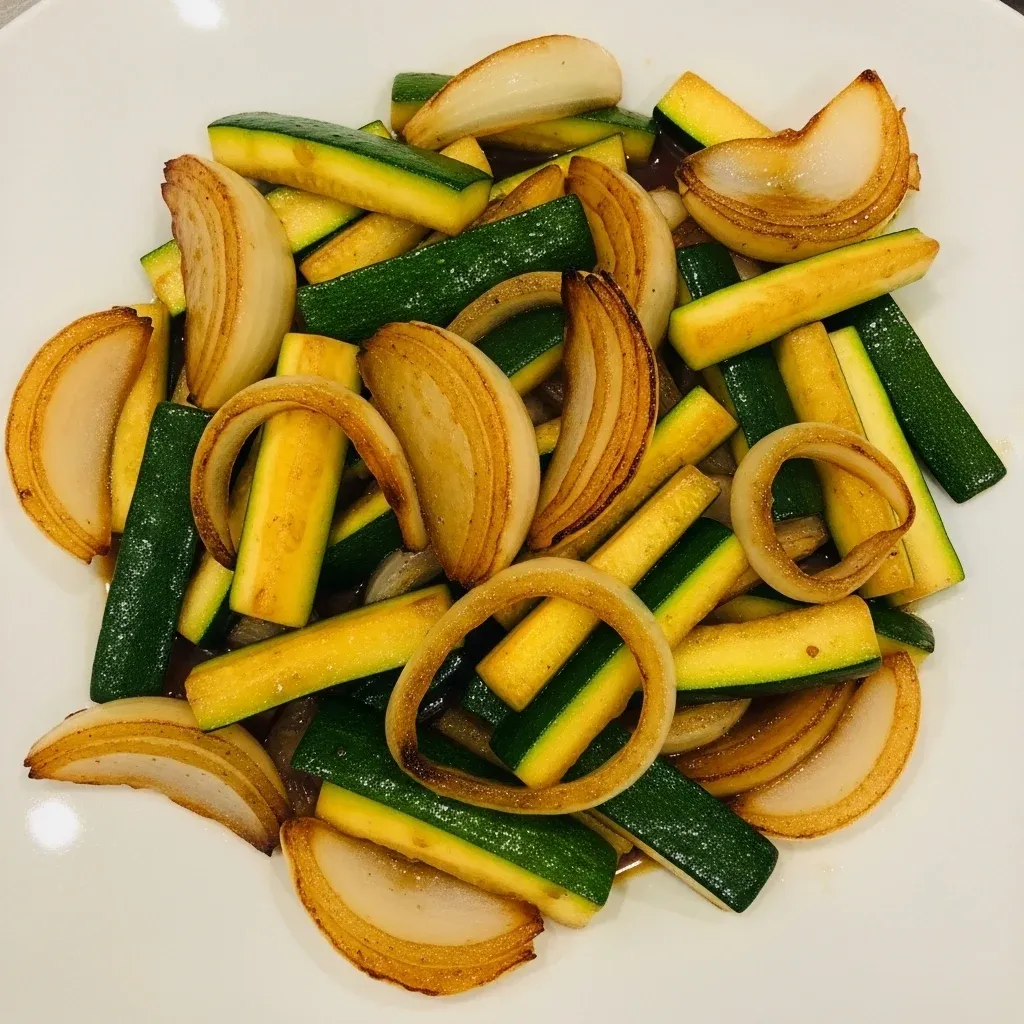
This Hibachi Zucchini and Onions dish acts as a versatile bridge between various flavors. To keep things authentic to the Japanese steakhouse experience, serve it alongside a ginger-dressed side salad and some fluffy hibachi chicken or shrimp. If you are looking for a healthy, plant-based meal, pair these vegetables with a bowl of steamed brown rice or a chilled soba noodle salad.
For a low-carb feast, serve it with a perfectly seared ribeye steak or grilled salmon. The saltiness of the soy glaze also pairs wonderfully with roasted root vegetables like sweet potatoes or carrots. If you want to lean into the “faski” adventurous spirit, try serving it with a side of spicy kimchi or pickled ginger to add a bright, acidic contrast to the rich, buttery onions.
To add more variety to your meal, consider the Taco Bell Beefy Melt Burrito. It provides alternative flavor profiles that complement the Hibachi Zucchini and Onions beautifully, making your dining experience even more enjoyable. Check it out here.
FAQs
How do I prevent my zucchini from getting mushy?
The key to avoiding mushy Hibachi Zucchini and Onions is high heat and short cooking times. Ensure your pan is screaming hot before adding the vegetables and do not cover the pan with a lid. Covering the pan traps steam, which softens the zucchini too much. Also, cut your zucchini into thicker pieces so they can withstand the high heat without collapsing.
Can I use white onions instead of sweet onions?
Yes, you can certainly use white or yellow onions. However, sweet onions (like Vidalia or Walla Walla) are traditional because they caramelize beautifully and provide a natural sweetness that balances the salty soy sauce. If you use white onions, they will have a sharper, more pungent bite, which some people actually prefer in their Hibachi Zucchini and Onions.
Is this recipe gluten-free?
The standard recipe uses soy sauce, which usually contains wheat. To make this Hibachi Zucchini and Onions 100% gluten-free, simply substitute the soy sauce with Tamari or coconut aminos. Always check the labels on your butter and sesame oil as well to ensure there is no cross-contamination if you have a severe sensitivity.
Hibachi Zucchini and Onions is a celebrated dish that exemplifies the art of simple yet flavorful cooking. This recipe encapsulates the essence of traditional Japanese cuisine, showcasing how high-heat cooking methods can enhance the natural flavors of vegetables, similar to the concepts found in teppanyaki.
Nutrition Information (per serving)
This nutritional summary provides an estimate based on standard ingredient sizes. Hibachi Zucchini and Onions is a low-calorie, high-flavor side dish that fits into most dietary patterns, including Keto and Paleo (with slight modifications).
| Nutrient | Amount per Serving |
|---|---|
| Calories | 115 kcal |
| Total Fat | 8g |
| Saturated Fat | 4g |
| Sodium | 480mg |
| Total Carbohydrates | 9g |
| Dietary Fiber | 2g |
| Sugars | 5g |
| Protein | 2g |
Every time I prepare Hibachi Zucchini and Onions, I am transported back to the vibrant energy of Asian night markets. The simplicity of the technique belies the complexity of the flavor. By focusing on high-quality ingredients and the power of a hot pan, you can master this Japanese classic.
Whether you are hosting a dinner party or just looking for a quick way to eat more greens, this recipe delivers satisfaction in every bite. Embrace the sizzle, enjoy the aroma of toasted sesame, and let your palate travel the world from the comfort of your own kitchen.
Print
Hibachi Zucchini and Onions
- Total Time: 15 mins
- Yield: 4 servings 1x
- Diet: Gluten Free
Description
Hibachi Zucchini and Onions captures the high-heat sear and savory umami finish perfectly in your own kitchen. The zucchini remains crisp-tender, while the onions caramelize into sweet, buttery perfection under intense heat, delivering a gourmet side dish that balances salt, fat, and crunch in every bite.
Ingredients
2 medium Zucchini
1 large Sweet Onio
2 tablespoons Salted Butter
1 tablespoon Vegetable Oil
2 tablespoons Soy Sauce
3 cloves Garlic
1 teaspoon Toasted Sesame Oil
Black Pepper to taste
1 teaspoon Toasted Sesame Seeds
Instructions
- Prep the Vegetables: Wash the zucchini, cut off the ends and slice them into 2-inch long sticks. Slice the onion into thick wedges
- Heat the Pan: Place a large skillet over medium-high heat and add the vegetable oil
- Sear the Onions: Add the onion wedges to the hot pan and let them develop a golden-brown char
- Add the Zucchini: Add the zucchini sticks to the pan, sautéing until browned on the edges
- Introduce the Aromatics: Make a well in the center of the pan, add the butter and minced garlic, and coat the vegetables
- Deglaze and Season: Pour soy sauce over the vegetables and stir to create a thick glaze
- The Final Touch: Remove from heat, drizzle with sesame oil, toss, and garnish with sesame seeds
Notes
Ensure your pan is very hot before adding vegetables to avoid steaming.
For gluten-free, use Tamari or coconut aminos instead of soy sauce.
- Prep Time: 10 mins
- Cook Time: 5 mins
- Category: Side Dish
- Method: Searing
- Cuisine: Japanese
Nutrition
- Serving Size: 1 cup
- Calories: 115 kcal
- Sugar: 5 g
- Sodium: 480 mg
- Fat: 8 g
- Saturated Fat: 4 g
- Unsaturated Fat: 4 g
- Trans Fat: 0 g
- Carbohydrates: 9 g
- Fiber: 2 g
- Protein: 2 g
- Cholesterol: 10 mg