
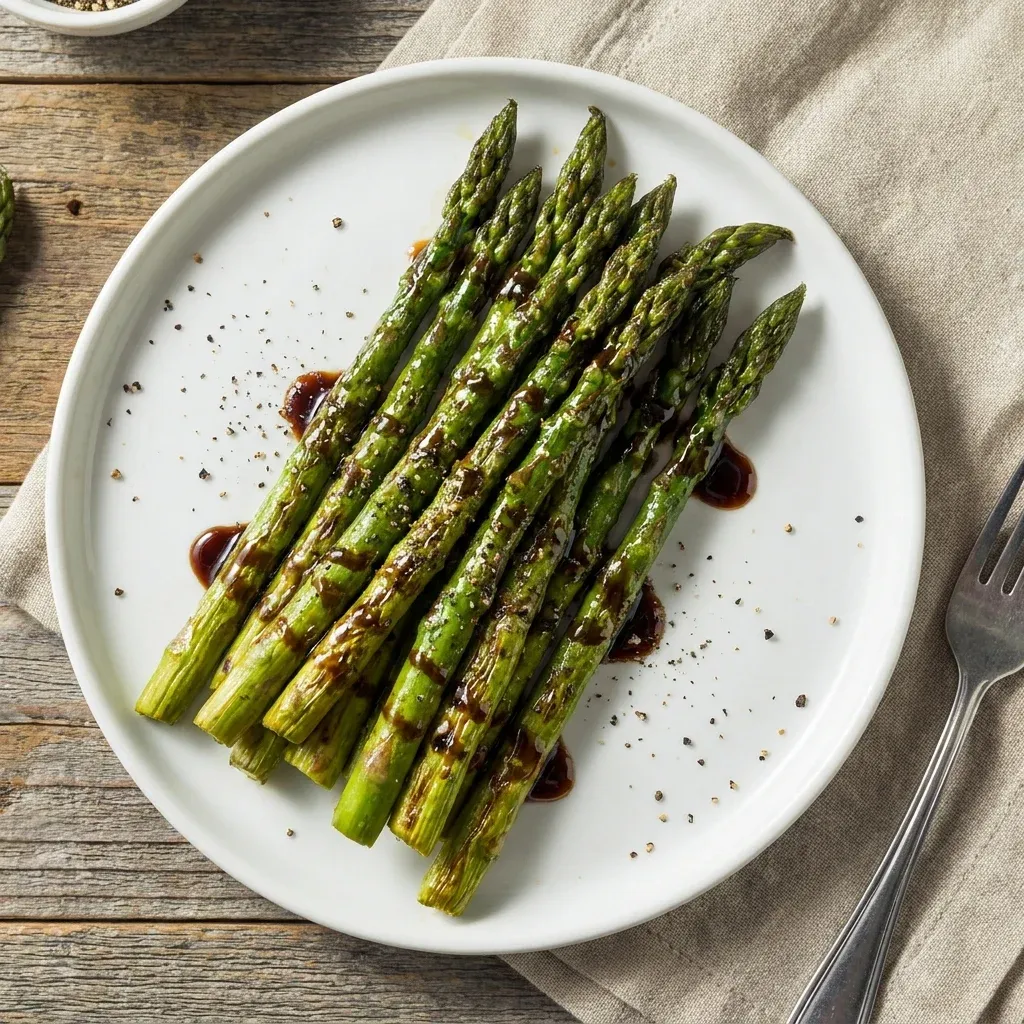
I remember the first time I tasted truly exceptional balsamic in the heart of Modena, Italy. The liquid was thick, dark, and complex, reflecting years of patient aging in wooden barrels. Combining that rich nectar with the earthy, sun-kissed crunch of roasted greens changed my perspective on side dishes forever.
This recipe for Asparagus with Balsamic Glaze represents that perfect marriage of Italian tradition and modern simplicity. You will experience a burst of sweetness followed by a savory finish that lingers on the palate. Let us dive into this vibrant dish that transforms a humble vegetable into a gourmet masterpiece. Preparing Asparagus with Balsamic Glaze is an exercise in balancing acidity and earthy sweetness.
Why You’ll Love This Asparagus with Balsamic Glaze Recipe
- Explosive Flavor Profile: The tangy reduction cuts through the natural bitterness of the greens perfectly.
- Incredible Versatility: This dish pairs beautifully with almost any protein, from grilled salmon to roasted chicken.
- Quick and Elegant: You can achieve a restaurant-quality presentation in less than twenty minutes.
- Nutrient-Dense: This recipe packs vitamins A, C, and K without adding heavy fats or processed sugars.
Every seasoned traveler knows that the best food relies on the quality of the soil and the timing of the harvest. When you make Asparagus with Balsamic Glaze, you are celebrating the arrival of spring in every bite. The spears should snap with a crisp sound, signaling their freshness.
As a food explorer, I look for dishes that tell a story of the land. This recipe speaks of the Mediterranean sun and the ancient vinegar cellars of Europe. It is a sophisticated addition to your table that requires minimal effort but offers maximum impact. You will find that Asparagus with Balsamic Glaze becomes a staple in your culinary repertoire once you master the simple reduction technique.
Ingredients You’ll Need
To create a truly authentic Asparagus with Balsamic Glaze, you must focus on the provenance of your ingredients. Seek out the freshest spears you can find, preferably from a local farmers’ market. The olive oil should be extra virgin and cold-pressed to retain its peppery notes.
For the balsamic, a high-quality Aceto Balsamico di Modena ensures a deep, syrupy consistency when reduced. These components work in harmony to elevate the humble vegetable. When you choose high-quality fats and acids, the Asparagus with Balsamic Glaze shines with a brilliance that mass-produced ingredients simply cannot replicate.
| Ingredient | Quantity | Notes |
|---|---|---|
| Fresh Asparagus | 1 lb (approx. 450g) | Trim the woody ends carefully. |
| Extra Virgin Olive Oil | 2 Tablespoons | Choose a high-quality, robust oil. |
| Balsamic Vinegar | 1/2 Cup | Use a quality Italian balsamic. |
| Honey or Maple Syrup | 1 Teaspoon | Optional, to balance the acidity. |
| Kosher Salt | To Taste | Enhances the natural mineral notes. |
| Black Pepper | 1/2 Teaspoon | Freshly cracked is always best. |
| Garlic Powder | 1/2 Teaspoon | Provides a subtle savory undertone. |
Substitutions & Variations
Adventures in the kitchen often lead to the most delicious discoveries. If you want to modify your Asparagus with Balsamic Glaze, consider these healthy and flavorful swaps. For those avoiding refined sugars, a touch of pomegranate molasses offers a similar tart-sweet profile to balsamic.
If you prefer a citrus forward dish, replace half of the vinegar with fresh lemon juice and zest. This creates a brighter, zingier version of Asparagus with Balsamic Glaze that pairs exceptionally well with white fish. For a vegan-friendly sweetener, agave nectar works perfectly in place of honey. Always remember that the goal is to enhance the vegetable, not mask it.
You can also experiment with different cooking methods. While roasting is traditional, grilling the spears over charcoal adds a smoky depth to the Asparagus with Balsamic Glaze. If you are short on time, a quick sauté in a cast-iron skillet provides a beautiful char.
Some travelers I have met in my journeys suggest adding toasted pine nuts or slivered almonds for an extra layer of texture. Others prefer a sprinkle of nutritional yeast for a cheesy, umami finish without the dairy. The beauty of Asparagus with Balsamic Glaze lies in its adaptability to your personal palate and dietary needs.
If you want to modify your Asparagus with Balsamic Glaze, consider these healthy and flavorful swaps. For a delicious twist, try adding a touch of pomegranate molasses by checking out Roasted Garlic Lemon Asparagus.
Step-by-Step Instructions
- Preheat and Prep: Begin by preheating your oven to 400°F (200°C). Wash the spears thoroughly and pat them dry with a clean towel. Snapping off the woody bottoms ensures every bite of your Asparagus with Balsamic Glaze is tender.
- Season the Spears: Place the prepared spears on a large baking sheet. Drizzle with the extra virgin olive oil and sprinkle with salt, pepper, and garlic powder. Toss them well to ensure an even coating.
- Roast to Perfection: Spread the spears in a single layer. Roast for 10 to 12 minutes, or until they reach a vibrant green color with slightly charred tips. Overcooking will make them mushy, so keep a close watch.
- Simmer the Glaze: While the vegetables roast, pour the balsamic vinegar and honey into a small saucepan over medium heat. Bring to a gentle simmer. Continue cooking until the liquid reduces by half and coats the back of a spoon.
- The Final Drizzle: Remove the spears from the oven and transfer them to a serving platter. Drizzle the warm, syrupy reduction over the top. This is the moment your Asparagus with Balsamic Glaze truly comes to life.
- Serve Immediately: Garnish with additional black pepper or a few chili flakes if you enjoy a bit of heat. Enjoy the contrasting temperatures of the warm spears and the cooling glaze.
Pro Tips for Success
Achieving the perfect Asparagus with Balsamic Glaze requires attention to detail. First, never crowd the baking sheet. If the spears are too close together, they will steam instead of roast, losing that desirable crisp-tender texture.
I always recommend using a parchment-lined tray for easy cleanup and to prevent the natural sugars from sticking. When reducing the vinegar, watch it like a hawk. Balsamic can go from a perfect syrup to a burnt mess in a matter of seconds.
If the glaze becomes too thick, simply whisk in a teaspoon of warm water to loosen it back up. This ensures your Asparagus with Balsamic Glaze has the perfect consistency.
Furthermore, consider the thickness of your spears. Thin “pencil” asparagus will cook much faster than thick, jumbo stalks. Adjust your roasting time accordingly to maintain the structural integrity of the vegetable.
If you are looking for a more intense flavor, try marinating the spears in a tablespoon of the glaze before roasting. This allows the sugars to caramelize directly onto the skin. Mastering these small technical nuances will elevate your Asparagus with Balsamic Glaze from a simple side to the star of the show. Your guests will notice the professional touch in the texture and flavor balance.
To truly master Asparagus with Balsamic Glaze, the technique is crucial. For tips on achieving the perfect roast, take a look at Oven Roasted Parmesan Asparagus.
Storage & Reheating Tips
While Asparagus with Balsamic Glaze is best enjoyed fresh from the oven, you can store leftovers quite easily. Place any remaining spears in an airtight glass container and keep them in the refrigerator for up to three days. Note that the acid in the glaze may cause the green color to dull slightly over time, but the flavor will remain delicious.
To reheat, avoid the microwave as it can make the vegetables rubbery. Instead, toss them into a hot skillet for two minutes or place them back in a toaster oven at 350°F until warmed through. This helps revive the texture of your Asparagus with Balsamic Glaze.
If you have extra balsamic reduction, do not throw it away! Store it in a small jar at room temperature. It makes a fantastic addition to salads, strawberries, or even vanilla gelato.
For the best experience with leftover Asparagus with Balsamic Glaze, consider chopping the cold spears and adding them to a morning omelet or a grain bowl. The flavors actually deepen overnight, making for a sophisticated lunch the next day. Always ensure the spears are dry before reheating to prevent them from becoming soggy. Your Asparagus with Balsamic Glaze will still impress even on the second day.
What to Serve With This Recipe
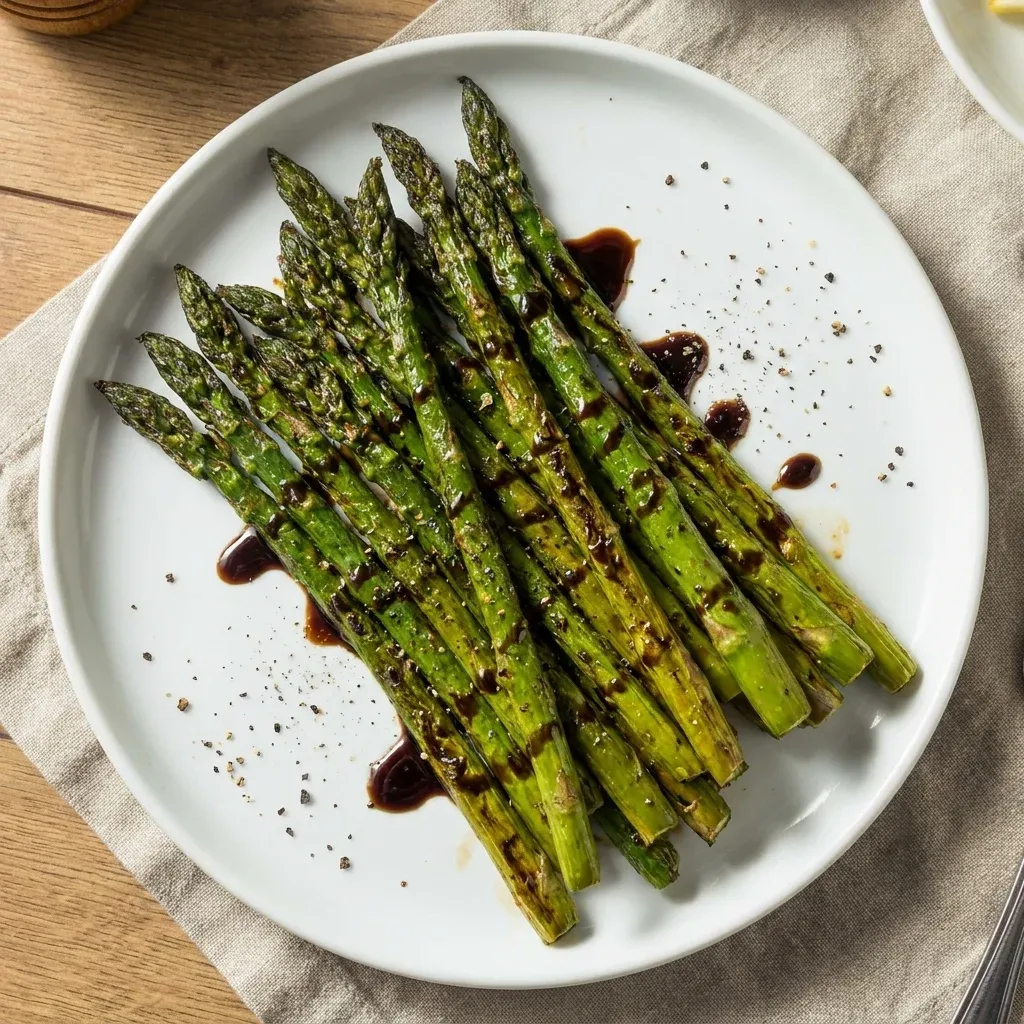
The beauty of Asparagus with Balsamic Glaze is how well it complements a variety of healthy main courses. I personally love serving it alongside a pan-seared wild-caught salmon fillet. The fattiness of the fish balances the sharp acidity of the balsamic beautifully.
For a vegetarian feast, pair these spears with a hearty quinoa salad loaded with chickpeas and fresh herbs. The earthy grains provide a wonderful base for the bold flavors of the Asparagus with Balsamic Glaze. You can also serve it with roasted lemon-herb chicken for a classic, Mediterranean-inspired dinner that feels light yet satisfying.
If you are hosting a brunch, try placing Asparagus with Balsamic Glaze next to poached eggs on toasted sourdough. The runny yolk creates a rich sauce that mingles with the glaze in a truly spectacular way. For a more rustic approach, serve the spears with a side of roasted fingerling potatoes seasoned with rosemary.
The combination of roasted root vegetables and the glazed greens creates a symphony of textures. No matter what you choose, Asparagus with Balsamic Glaze adds a touch of elegance and a nutritional boost to your plate. It truly is the ultimate versatile side dish for the health-conscious gourmet.
The versatility of Asparagus with Balsamic Glaze shines when paired with mains. For an ideal companion dish, explore Sheet Pan Salmon and Asparagus.
FAQs
Can I use bottled balsamic glaze instead of making my own?
Yes, you can certainly use a store-bought version to save time when making Asparagus with Balsamic Glaze. However, be sure to check the ingredient label for added thickeners or high-fructose corn syrup. Homemade glaze offers a much cleaner, more intense flavor profile.
If you choose a bottled version, look for one that lists balsamic vinegar of Modena as the primary ingredient. This ensures your Asparagus with Balsamic Glaze maintains its authentic, high-quality taste.
Is asparagus with balsamic glaze healthy?
Absolutely! This dish is incredibly nutritious. Asparagus is a powerhouse of fiber, folate, and vitamins.
The balsamic vinegar provides antioxidants and can help regulate blood sugar levels. By using heart-healthy olive oil and a minimal amount of natural sweetener, Asparagus with Balsamic Glaze remains a low-calorie, nutrient-dense choice. It fits perfectly into Mediterranean, Paleo, and gluten-free lifestyles, making it a crowd-pleasing option for diverse dietary needs.
How do I prevent the asparagus from getting mushy?
The key to perfect Asparagus with Balsamic Glaze is high heat and short cooking times. Roasting at 400°F allows the exterior to caramelize while the interior stays tender-crisp. Avoid covering the pan with foil, as this traps steam and softens the stalks too much.
Also, ensure the spears are completely dry before you toss them in oil. Moisture on the surface will lead to steaming rather than roasting. If you follow these steps, your Asparagus with Balsamic Glaze will have a satisfying snap every time.
Asparagus with Balsamic Glaze is a delightful dish that showcases the vibrant flavors of this vegetable combined with a rich sauce. This preparation exemplifies how cooking can elevate simple ingredients into gourmet experiences, celebrating seasonal produce and culinary traditions from the Mediterranean region, especially highlighted by its connections to balsamic vinegar.
Nutrition Information (per serving)
This nutritional summary provides a glance at the health benefits of enjoying Asparagus with Balsamic Glaze. The recipe yields approximately four servings, making it an ideal side dish for a family meal or a small gathering. Focus on the high fiber content and the wealth of vitamins present in every spear. By choosing this Asparagus with Balsamic Glaze, you are fueling your body with premium ingredients and vibrant flavors.
| Nutrient | Amount per Serving |
|---|---|
| Calories | 95 kcal |
| Total Fat | 7g |
| Sodium | 150mg |
| Total Carbohydrates | 8g |
| Dietary Fiber | 3g |
| Sugars | 4g |
| Protein | 2g |
In conclusion, the Asparagus with Balsamic Glaze is more than just a recipe; it is a celebration of simple, high-quality ingredients. Whether you are a seasoned chef or a kitchen novice, this dish offers a path to gourmet flavors without the stress. As a traveler, I have seen many ways to prepare greens, but the combination of fire-roasted crunch and syrupy vinegar remains a global favorite.
Take the time to source the best vinegar and the freshest spears you can find. Your taste buds will thank you for the journey. Enjoy your Asparagus with Balsamic Glaze and the stories it brings to your dinner table.
Print
Asparagus with Balsamic Glaze
- Total Time: 22 mins
- Yield: 4 servings 1x
- Diet: Gluten Free
Description
Asparagus with Balsamic Glaze is a vibrant dish that transforms a humble vegetable into a gourmet masterpiece. This recipe balances acidity and earthy sweetness, offering explosive flavors and incredible versatility. Perfect as a side dish, it pairs beautifully with any protein and is quick to prepare, making it a staple in your culinary repertoire.
Ingredients
1 lb Fresh Asparagus
2 Tablespoons Extra Virgin Olive Oil
1/2 Cup Balsamic Vinegar
1 Teaspoon Honey or Maple Syrup
To Taste Kosher Salt
1/2 Teaspoon Black Pepper
1/2 Teaspoon Garlic Powder
Instructions
- Preheat the oven to 400°F (200°C). Wash the spears and pat them dry. Trim the woody ends
- Place the asparagus on a baking sheet. Drizzle with olive oil and sprinkle with salt, pepper, and garlic powder. Toss to coat
- Spread the spears in a single layer and roast for 10-12 minutes until vibrant green and slightly charred
- While the asparagus roasts, combine balsamic vinegar and honey in a saucepan over medium heat. Simmer until reduced by half
- Remove asparagus and drizzle the balsamic reduction over the top. Serve immediately
Notes
Use high-quality ingredients for the best flavor.
Avoid crowding the baking sheet to ensure even cooking.
Store leftovers in an airtight container for up to three days.
- Prep Time: 10 mins
- Cook Time: 12 mins
- Category: Dinner
- Method: Baking
- Cuisine: Italian
Nutrition
- Serving Size: 1 bowl
- Calories: 95 kcal
- Sugar: 4g
- Sodium: 150mg
- Fat: 7g
- Saturated Fat: 1g
- Unsaturated Fat: 4g
- Trans Fat: 0g
- Carbohydrates: 8g
- Fiber: 3g
- Protein: 2g
- Cholesterol: 0mg