
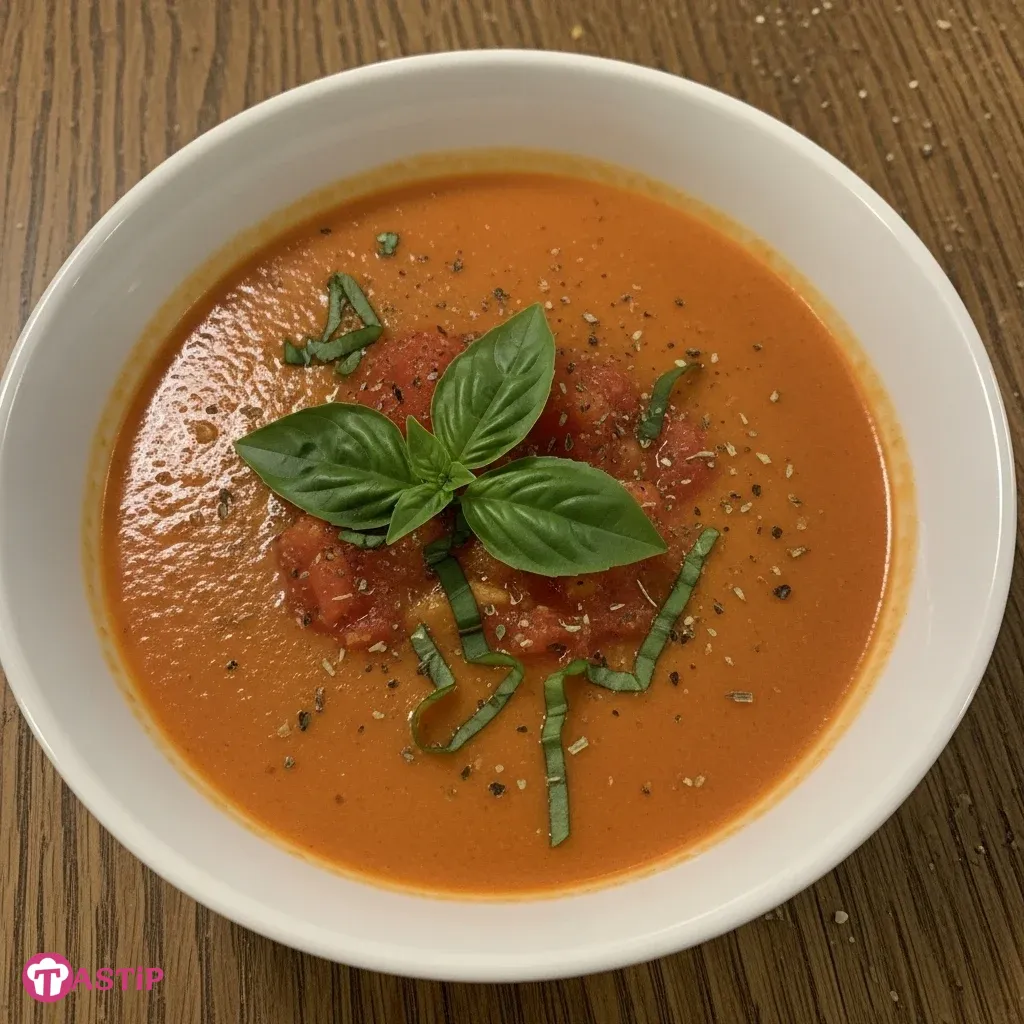
Achieving the perfect balance of acidity and richness requires more than just a pot; it requires a basic understanding of culinary chemistry. This Tomato Parmesan Soup represents the pinnacle of comfort food science, blending the bright, acidic notes of sun-ripened tomatoes with the deep, savory umami of aged cheese. As a former test kitchen chef, I have spent years perfecting the ratio of aromatics to fats to ensure a velvety texture without the need for excessive heavy cream.
The secret lies in the molecular synergy between the glutamates in the tomatoes and the lactic acid in the Parmesan. When you prepare this Tomato Parmesan Soup, you are not just making a meal; you are orchestrating a complex chemical reaction that results in pure liquid gold. The texture is smooth, the flavor is robust, and the finish is clean. Let us dive into the technical details that make this recipe a staple in any serious cook’s repertoire.
Why You’ll Love This Tomato Parmesan Soup
- Umami Bomb: The combination of tomatoes and aged Parmesan creates a massive depth of flavor through high concentrations of natural glutamates.
- Nutrient Dense: This recipe delivers high levels of lycopene and vitamin C, making it a functional powerhouse for your immune system.
- One-Pot Precision: You minimize cleanup and maximize flavor extraction by building layers of taste within a single vessel.
- Texture Mastery: We use mechanical emulsification to create a creamy mouthfeel without masking the bright vegetable notes with heavy dairy.
Ingredients You’ll Need
Success in the kitchen starts with the quality of your raw materials. For a high-level Tomato Parmesan Soup, you cannot compromise on the acidity levels of your tomatoes or the age of your cheese. Use this table as your procurement guide:
| Ingredient | Quantity | Why It Matters |
|---|---|---|
| San Marzano Peeled Tomatoes | 28 oz (2 cans) | These offer a lower acidity and thicker flesh, providing the ultimate structural base for the soup. |
| Parmigiano-Reggiano | 1 cup (finely grated) | Real aged cheese contains tyrosine crystals that provide a complex, nutty finish. |
| Yellow Onion | 1 large | Onions provide the foundational sweetness through the caramelization of natural sugars. |
| Fresh Garlic Cloves | 4-6 cloves | Allicin in garlic provides the pungent counterpoint to the sweet tomatoes. |
| Extra Virgin Olive Oil | 3 tablespoons | High-quality lipids carry flavor compounds across the tongue more effectively. |
| Low-Sodium Vegetable Broth | 3 cups | A neutral base allows the primary ingredients to shine without excessive salt interference. |
| Fresh Basil Leaves | 1/2 cup | Volatile oils in basil add a floral aroma that balances the earthy cheese. |
| Balsamic Vinegar | 1 tablespoon | The acetic acid brightens the final dish and highlights the sweetness of the fruit. |
Substitutions & Variations
Note: This video is for demonstration purposes and may use a slightly different method.

While I advocate for the classic version of Tomato Parmesan Soup, you can modify the ingredients to suit specific dietary needs or flavor preferences. If you seek a dairy-free alternative that mimics the savoriness of cheese, nutritional yeast serves as an excellent substitute. It provides a similar nutty profile, though you will lose the specific emulsification properties of the dairy proteins.
For those looking to increase the fiber content, consider blending in a half-cup of cooked white beans. This addition creates a thicker consistency and adds a boost of plant-based protein without altering the flavor profile significantly. If you prefer a smokier finish, replace one can of standard tomatoes with fire-roasted tomatoes.
The charred skins introduce a complex carbon note that pairs beautifully with the saltiness of the Parmesan. Always remember that any substitution will shift the pH balance, so adjust your final seasoning accordingly.
While I advocate for the classic version of Tomato Parmesan Soup, you can modify the ingredients to suit specific dietary needs or flavor preferences. If you seek a dairy-free alternative that mimics the savoriness of cheese, consider exploring the comforting flavors of Roasted Tomato Garlic Soup.
Step-by-Step Instructions
- Sauté the Aromatics: Heat the extra virgin olive oil in a heavy-bottomed Dutch oven over medium heat. Add the finely diced onions. Sauté them for approximately 8 to 10 minutes until they become translucent and slightly golden. This process, known as the Maillard reaction, creates the base sweetness for your Tomato Parmesan Soup.
- Bloom the Garlic: Add the minced garlic to the pot. Cook for only 60 seconds. You want to release the aromatic oils without burning the garlic solids, as burnt garlic introduces a bitter alkaloid flavor that ruins the delicate balance of the soup.
- Incorporate the Tomatoes: Pour in the San Marzano tomatoes and their juices. Use a wooden spoon to crush the whole tomatoes against the side of the pot. This increases the surface area, allowing the heat to break down the pectin in the cell walls more efficiently.
- Simmer to Develop Flavor: Add the vegetable broth and bring the mixture to a gentle boil. Immediately reduce the heat to low. Allow the Tomato Parmesan Soup to simmer uncovered for 25 minutes. This evaporation period concentrates the flavors and thickens the consistency naturally.
- Puree the Base: Use an immersion blender to process the soup until it reaches a completely smooth state. If you prefer a rustic texture, you can leave some small chunks, but a smooth puree allows the Parmesan to integrate more effectively in the next step.
- Emulsify the Cheese: Remove the pot from the heat. Gradually whisk in the finely grated Parmigiano-Reggiano. Adding the cheese off the heat prevents the proteins from clumping and ensures a silky, homogenous emulsion. Stir in the fresh basil and balsamic vinegar at the very end to preserve their volatile aromatic compounds.
- Final Seasoning: Taste the Tomato Parmesan Soup. Add sea salt and freshly cracked black pepper only after the cheese is integrated, as the Parmesan already contributes a significant amount of sodium.
Pro Tips for Success
To elevate your Tomato Parmesan Soup from good to professional grade, you must pay attention to the temperature. Never boil the soup after you have added the cheese. High heat causes the dairy proteins to tighten and separate from the fats, resulting in a grainy texture.
Furthermore, always grate your cheese fresh from a wedge. Pre-shredded cheeses are coated in potato starch or cellulose to prevent clumping in the bag; these additives interfere with the smooth melting process and can cloud the flavor of your Tomato Parmesan Soup. Finally, consider the “resting” phase.
Like a good steak, this soup benefits from sitting for ten minutes before serving. This allows the flavors to marry and the temperature to stabilize, which enhances your ability to perceive the subtle nuances of the basil and balsamic.
To elevate your Tomato Parmesan Soup from good to professional grade, you must pay attention to the temperature. For quick preparation without compromising on flavor, check out the efficient cooking methods found in Instant Pot Tomato Soup.
Storage & Reheating Tips
Storing Tomato Parmesan Soup correctly preserves its molecular integrity. Place the cooled soup in an airtight glass container and refrigerate it for up to four days. Interestingly, the flavor often improves after 24 hours as the organic acids continue to interact with the cheese solids.
When you are ready to reheat, use the stovetop rather than the microwave. Heat the soup over low-medium flame, stirring constantly to maintain the emulsion.
If the soup has thickened too much in the fridge, add a splash of broth or water to return it to your desired viscosity. I do not recommend freezing this specific Tomato Parmesan Soup if you have already added the cheese, as the freezing and thawing process can cause the dairy fats to break, leading to a compromised texture upon reheating.
What to Serve With This Recipe
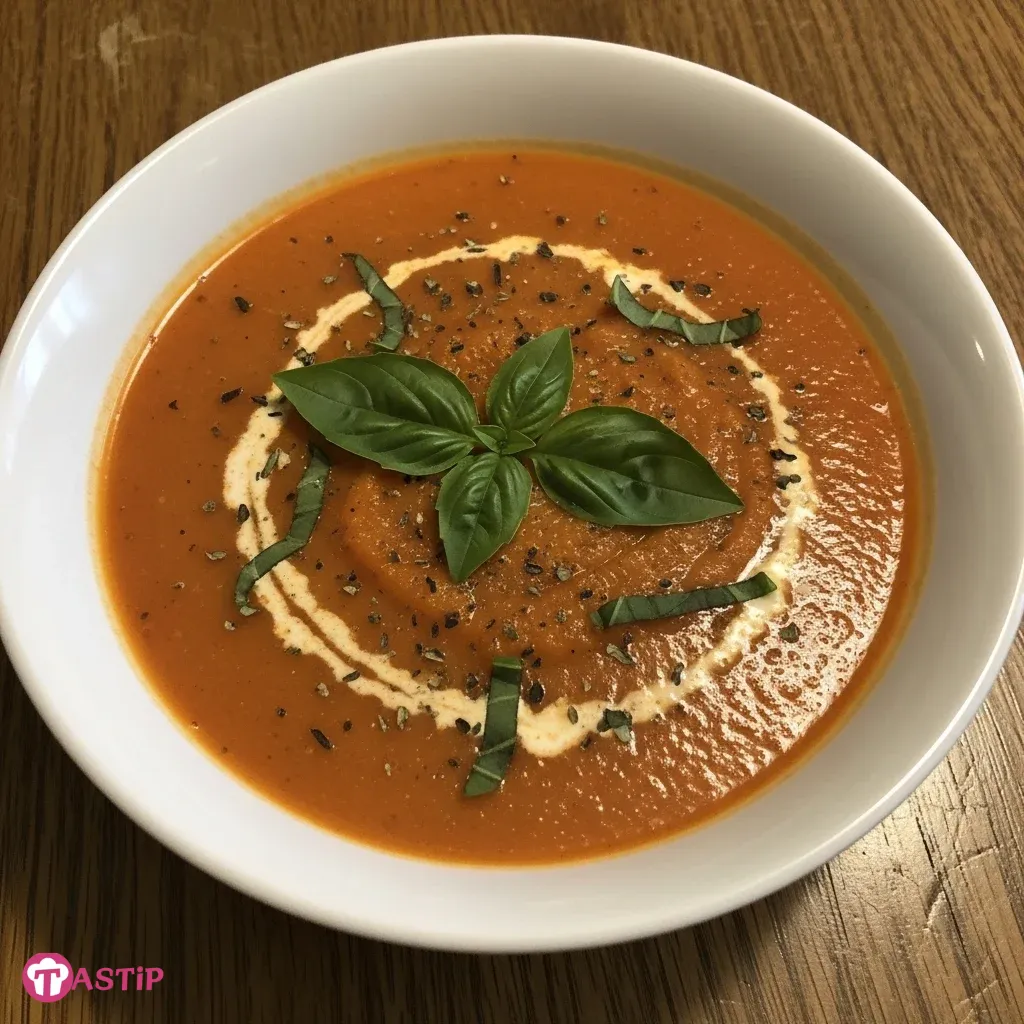
Pairing your Tomato Parmesan Soup with the right sides can enhance the overall dining experience by providing contrasting textures and flavors. A crisp Arugula Salad with a lemon-tahini dressing offers a peppery bitterness that cuts through the richness of the Parmesan. Alternatively, Roasted Asparagus seasoned with garlic and lemon zest provides a structural crunch that complements the velvety soup.
For a more traditional but healthy approach, serve a slice of sourdough toast rubbed with a raw garlic clove. The fermentation of the sourdough provides a lactic acid tang that mirrors the notes in the cheese.
If you want to keep the meal light, a side of oven-roasted Brussels sprouts with a light balsamic glaze will reinforce the earthy undertones of the tomato base. These pairings ensure your Tomato Parmesan Soup remains the star of the show while providing a balanced nutritional profile.
Pairing your Tomato Parmesan Soup with the right sides can enhance the overall dining experience by providing contrasting textures and flavors. For an effortless side dish that complements this rich soup, consider making Slow Cooker Tomato Soup.
FAQs
Can I use fresh tomatoes instead of canned for this soup?
Yes, you can use fresh tomatoes, but you must ensure they are peak-season and fully ripe. Fresh tomatoes contain more water and higher acidity than the canned San Marzano variety. You will likely need to simmer the Tomato Parmesan Soup longer to achieve the same concentration of flavor. I recommend roasting the fresh tomatoes first to develop their natural sugars before adding them to the pot.
Why did my cheese clump instead of melting into the soup?
Clumping occurs when the cheese is added to liquid that is too hot or when the cheese is added too quickly. To prevent this in your Tomato Parmesan Soup, remove the pot from the heat source and whisk the cheese in small increments. This allows the temperature to stay below the point where proteins denature and seize. Using finely grated cheese also facilitates a faster, smoother melt.
Is this Tomato Parmesan Soup suitable for a low-carb diet?
This Tomato Parmesan Soup is naturally relatively low in carbohydrates, especially compared to versions thickened with flour or roux. Tomatoes do contain natural sugars, but when enjoyed in moderation, this soup fits well within most balanced low-carb lifestyles. To further reduce the carb count, ensure your vegetable broth contains no added sugars or thickeners.
Tomato Parmesan Soup blends ripe tomatoes with the savory depth of Parmesan, resulting in a rich and flavorful dish. This classic soup not only delivers comfort but also showcases the harmony of flavors found in culinary arts. Learn more about its delightful ingredients and history through this detailed page.
Nutrition Information (per serving)
This data reflects a standard serving size of approximately 1.5 cups of Tomato Parmesan Soup. Note that specific values may vary based on the brands of ingredients you select.
| Nutrient | Amount per Serving |
|---|---|
| Calories | 210 kcal |
| Total Fat | 12g |
| Saturated Fat | 5g |
| Cholesterol | 15mg |
| Sodium | 680mg |
| Total Carbohydrates | 18g |
| Dietary Fiber | 4g |
| Sugars | 9g |
| Protein | 10g |
By following these scientifically-backed steps, you will produce a Tomato Parmesan Soup that exceeds expectations. Cooking is a series of controlled variables; when you master those variables, you master the meal. Enjoy the process of creating this sophisticated, umami-rich dish in your own kitchen.
Print
Tomato Parmesan Soup
- Total Time: 45 mins
- Yield: 4 servings 1x
- Diet: Gluten Free
Description
This Tomato Parmesan Soup combines sun-ripened tomatoes with aged cheese for a perfect balance of acidity and richness. With a velvety texture and robust flavor, it's comfort food and a sophisticated dish in one.
Ingredients
28 oz San Marzano Peeled Tomatoes
1 cup Parmigiano-Reggiano (finely grated)
1 large Yellow Onio
4–6 cloves Fresh Garlic
3 tablespoons Extra Virgin Olive Oil
3 cups Low-Sodium Vegetable Broth
1/2 cup Fresh Basil Leaves
1 tablespoon Balsamic Vinegar
Instructions
- Heat the extra virgin olive oil in a heavy-bottomed Dutch oven over medium heat. Add the finely diced onions and sauté for approximately 8-10 minutes until translucent
- Add the minced garlic and cook for only 60 seconds until fragrant
- Pour in the San Marzano tomatoes and crush them with a wooden spoon. Add the vegetable broth and bring to a gentle boil, then simmer uncovered for 25 minutes
- Use an immersion blender to puree the soup until smooth
- Remove from heat and whisk in the Parmigiano-Reggiano gradually. Stir in fresh basil and balsamic vinegar before final seasoning
Notes
Do not boil the soup after adding cheese to prevent clumping.
Freshly grate your cheese for best results.
Let the soup sit for 10 minutes before serving for enhanced flavor.
- Prep Time: 20 mins
- Cook Time: 25 mins
- Category: Soup
- Method: Simmering
- Cuisine: Italian
Nutrition
- Serving Size: 1 bowl
- Calories: 210 kcal
- Sugar: 9g
- Sodium: 680mg
- Fat: 12g
- Saturated Fat: 5g
- Unsaturated Fat: 0g
- Trans Fat: 0g
- Carbohydrates: 18g
- Fiber: 4g
- Protein: 10g
- Cholesterol: 15mg