
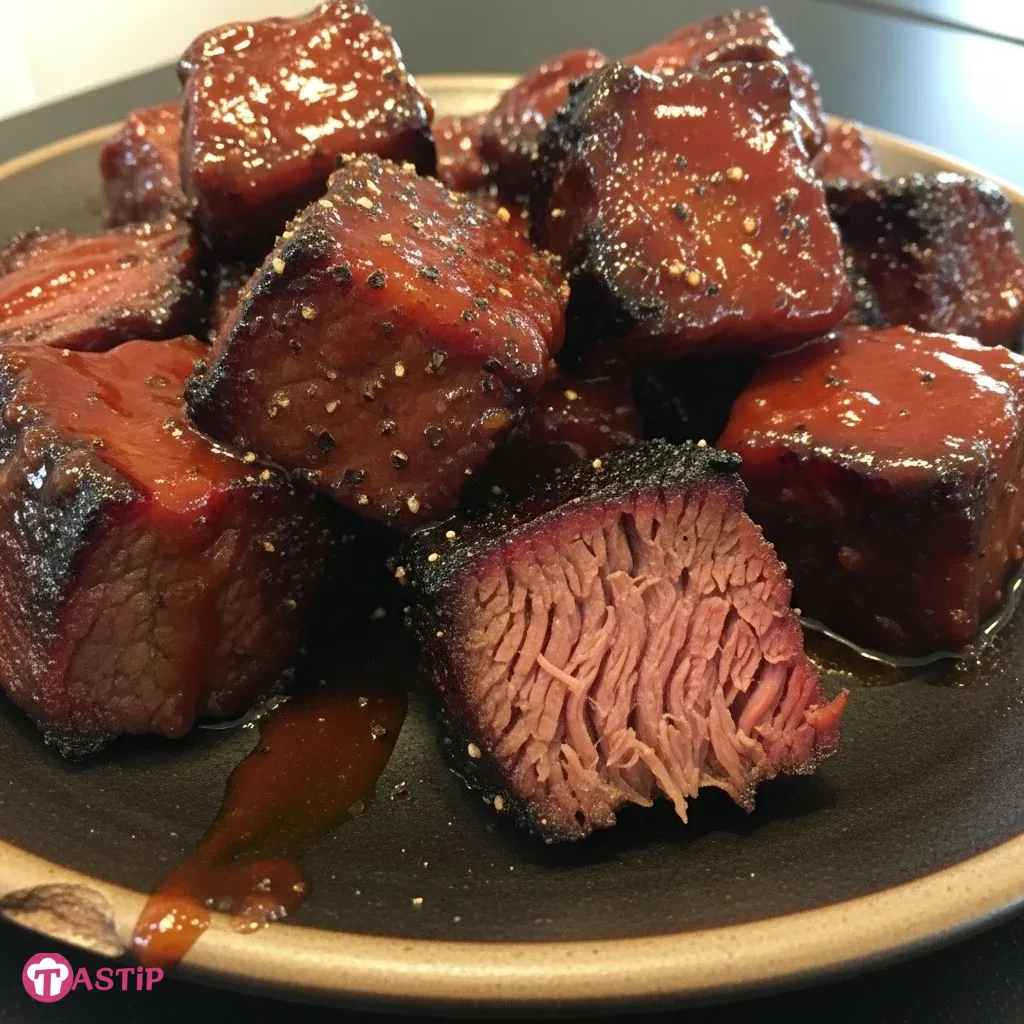
The culinary world often hides its most nourishing secrets in humble packages, and Poor Man’s Burnt Ends are the perfect example of this philosophy. By transforming a simple chuck roast into tender, caramelized morsels of joy, we celebrate the art of slow cooking and mindful preparation. These bite-sized pieces of beef offer a rich, smoky flavor profile and a buttery texture that rivals the most expensive cuts of brisket.
As a nutritionist, I love this recipe because it prioritizes high-quality protein and healthy fats while avoiding the hidden sugars found in traditional barbecue. Every bite of these Poor Man’s Burnt Ends delivers a satisfying experience that supports your wellness goals without sacrificing the soul-warming comfort of classic American fare.
Preparing this dish is an act of patience that rewards you with a nutrient-dense meal, perfect for energizing your body and delighting your palate. In this guide, I will show you how to master the Poor Man’s Burnt Ends using clean, vibrant ingredients that your whole family will enjoy.
Why You’ll Love This Poor Man’s Burnt Ends Recipe
- Budget-Friendly Nutrition: Using chuck roast instead of brisket makes Poor Man’s Burnt Ends an accessible way to enjoy high-quality bovine protein rich in iron and B vitamins.
- Clean Ingredient Profile: We swap refined sugars and inflammatory seed oils for natural sweeteners and stable fats, ensuring your Poor Man’s Burnt Ends support metabolic health.
- Incredible Flavor and Texture: The slow-smoking process breaks down tough connective tissue into succulent collagen, creating a melt-in-your-mouth sensation that is truly addictive.
- Meal Prep Efficiency: These Poor Man’s Burnt Ends store beautifully, making them an excellent protein source for salads, bowls, or wraps throughout the busy work week.
Ingredients You’ll Need
To create the ultimate Poor Man’s Burnt Ends, we must focus on the quality of our building blocks. I always recommend sourcing grass-fed beef when possible, as it contains higher levels of Omega-3 fatty acids and conjugated linoleic acid (CLA), which support heart health and reduce inflammation.
The dry rub consists of potent anti-inflammatory spices like smoked paprika and garlic, providing deep flavor without the need for artificial additives. For the sauce, we use a base of organic tomato paste and apple cider vinegar to provide that classic tang while keeping the recipe clean and vibrant.
| Category | Ingredient | Quantity |
|---|---|---|
| Protein | Grass-fed Beef Chuck Roast | 3-4 lbs |
| Base Fat | Extra Virgin Olive Oil or Avocado Oil | 2 tbsp |
| Dry Rub | Smoked Paprika (Organic) | 2 tbsp |
| Dry Rub | Garlic Powder | 1 tbsp |
| Dry Rub | Onion Powder | 1 tbsp |
| Dry Rub | Sea Salt | 1 tbsp |
| Dry Rub | Black Pepper (Freshly cracked) | 1 tsp |
| Dry Rub | Monk Fruit Sweetener or Coconut Sugar | 1 tbsp |
| Sauce | Sugar-Free BBQ Sauce (Homemade or Clean Brand) | 1/2 cup |
| Liquid | Apple Cider Vinegar (with the Mother) | 1/4 cup |
Substitutions & Variations
Adaptability is key to a sustainable wellness lifestyle, and you can easily tweak these Poor Man’s Burnt Ends to fit your dietary preferences. If you are following a strict ketogenic protocol, ensure your sweetener is 100% monk fruit or erythritol to keep the glycemic impact at zero. For those who prefer a bit of heat, adding a teaspoon of chipotle powder or cayenne to the rub will elevate the thermogenic properties of the dish, boosting your metabolism.
If you cannot find a high-quality chuck roast, a bottom round roast can work for Poor Man’s Burnt Ends, though it may require a slightly longer cooking time to reach peak tenderness.
You can also experiment with different wood chips for smoking; hickory provides a bold, traditional taste, while apple or cherry wood adds a subtle, fruity sweetness that complements the Poor Man’s Burnt Ends beautifully. For a nightshade-free version, replace the paprika with a blend of turmeric and cumin for an earthy, golden variation that still packs a nutritional punch.
Adaptability is key to a sustainable wellness lifestyle, and you can easily tweak these Poor Man’s Burnt Ends to fit your dietary preferences. For a delicious alternative that maintains that comforting feel, check out the recipe for Poor Man Husband Casserole.
Step-by-Step Instructions
- Prepare the Beef: Remove the chuck roast from the refrigerator 30 minutes before cooking to allow it to reach room temperature. This ensures even cooking for your Poor Man’s Burnt Ends. Pat the meat dry with a paper towel.
- Apply the Binder: Lightly coat the entire roast with avocado oil or olive oil. This acts as a “binder,” helping the dry rub adhere to the meat and facilitating the formation of a flavorful “bark.”
- Season Generously: Mix your smoked paprika, garlic powder, onion powder, sea salt, black pepper, and natural sweetener in a small bowl. Rub this mixture over every inch of the beef, pressing it in firmly.
- Initial Smoke: Preheat your smoker or oven to 250°F (120°C). Place the seasoned roast directly on the rack. Smoke until the internal temperature reaches approximately 165°F (74°C). This usually takes 3 to 4 hours depending on the thickness.
- The Cube Stage: Remove the roast from the heat. Using a sharp knife, cut the beef into uniform 1-inch cubes. Cutting them into equal sizes ensures that every piece of your Poor Man’s Burnt Ends cooks at the same rate.
- The Sauce Toss: Place the beef cubes into a glass baking dish or a heavy-duty foil pan. Pour your sugar-free BBQ sauce and apple cider vinegar over the cubes. Toss them gently until each piece is thoroughly coated.
- The Caramelization Phase: Cover the pan tightly with foil and return it to the smoker or oven. Increase the temperature slightly to 275°F (135°C). Cook for another 1.5 to 2 hours.
- Check for Tenderness: The Poor Man’s Burnt Ends are ready when they are “probe tender,” meaning a toothpick or meat probe slides into the beef with almost no resistance.
- The Final Uncover: Remove the foil for the last 15 minutes of cooking. This allows the sauce to thicken and tack up, creating that iconic sticky-sweet glaze on your Poor Man’s Burnt Ends.
- Rest and Serve: Let the Poor Man’s Burnt Ends rest for 10 minutes before serving. This allows the juices to redistribute, ensuring every bite is moist and flavorful.
Pro Tips for Success
Achieving perfection with Poor Man’s Burnt Ends requires attention to detail. First, never rush the process; the low and slow temperature is essential for breaking down the tough collagen into gelatin. If you are using a smoker, aim for “thin blue smoke” rather than thick white smoke, which can impart a bitter flavor to the meat.
Another technical secret for Poor Man’s Burnt Ends is the “spritz.” Every hour during the initial smoke, lightly spray the beef with a mixture of apple cider vinegar and water. This keeps the surface moist and helps the smoke particles stick to the meat, enhancing the flavor profile. Furthermore, ensure you are using a reliable digital meat thermometer.
Guesswork is the enemy of great barbecue, and knowing the exact internal temperature will help you pull the Poor Man’s Burnt Ends at the precise moment of peak tenderness. Finally, when choosing your sauce, look for options that use balsamic vinegar or tomato paste instead of high-fructose corn syrup to keep your Poor Man’s Burnt Ends within the realm of clean eating.
Achieving perfection with Poor Man’s Burnt Ends requires attention to detail. To refine your beverage pairing while enjoying your meal, try a refreshing Classic Iced Coffee that complements these smoky bites perfectly.
Storage & Reheating Tips
If you find yourself with leftovers, Poor Man’s Burnt Ends store exceptionally well, making them a nutritionist’s favorite for meal prep. Place the cooled beef in an airtight glass container and refrigerate for up to four days. To maintain the integrity of the texture, avoid the microwave when reheating.
Instead, place the Poor Man’s Burnt Ends in a skillet over medium-low heat with a splash of beef bone broth or water. Cover the pan and steam them gently until warmed through. This method preserves the moisture and keeps the “bark” from becoming rubbery.
You can also freeze Poor Man’s Burnt Ends for up to three months. When you are ready to enjoy them, thaw the container in the refrigerator overnight before reheating. These little nuggets of joy are perfect for adding a boost of protein to a morning omelet or a vibrant lunchtime power bowl.
What to Serve With This Recipe
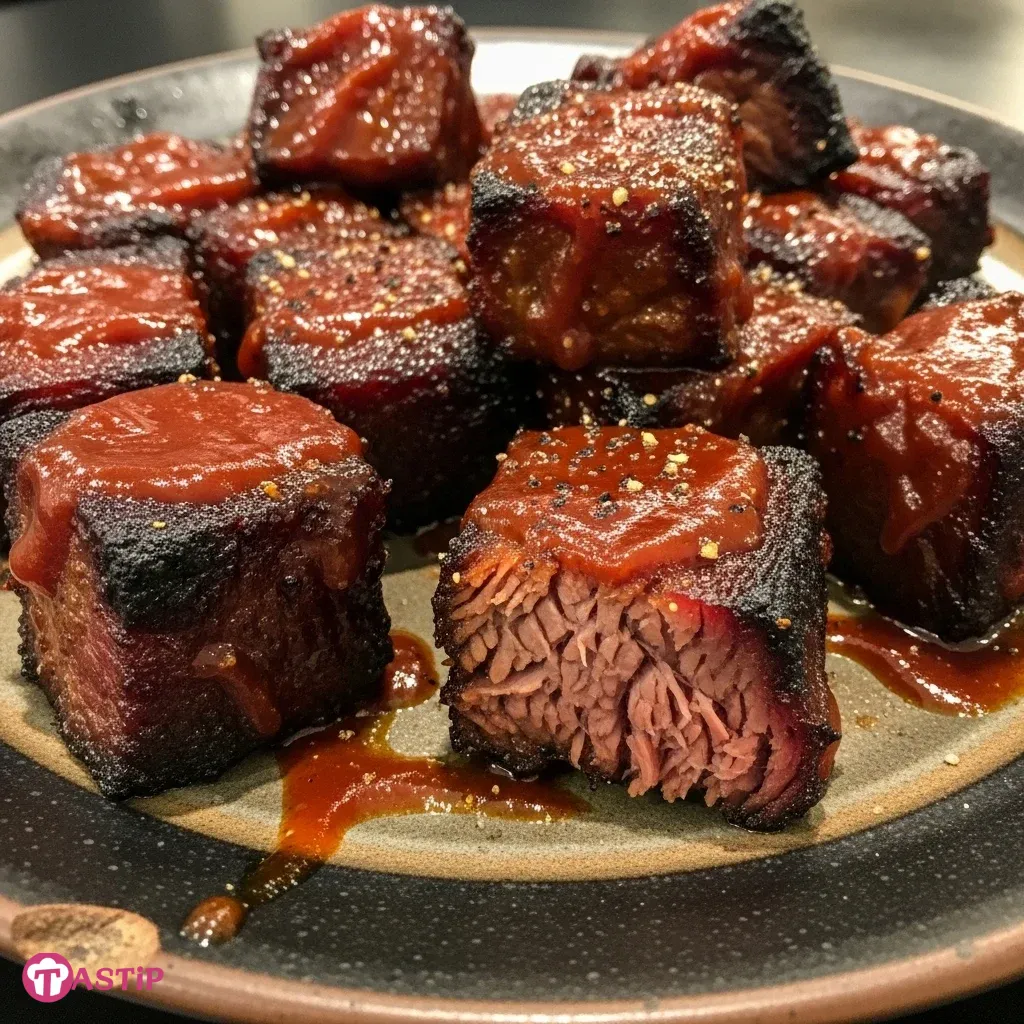
To balance the richness of Poor Man’s Burnt Ends, I recommend pairing them with high-fiber, nutrient-dense side dishes. A crisp, vinegar-based coleslaw made with organic shredded cabbage and carrots provides a refreshing crunch and beneficial probiotics. Roasted root vegetables, such as sweet potatoes or parsnips, complement the smoky profile of the Poor Man’s Burnt Ends with their natural earthiness.
For a lower-carb option, a large green salad with a lemon-tahini dressing offers a bright contrast to the savory beef. I also love serving these alongside grilled asparagus or steamed broccoli drizzled with a little grass-fed butter and sea salt. These pairings ensure your meal is well-rounded, providing the necessary antioxidants and phytonutrients to accompany the dense protein of the Poor Man’s Burnt Ends. Always aim for a plate that is colorful and varied to maximize your nutrient intake.
To balance the richness of Poor Man’s Burnt Ends, I recommend pairing them with high-fiber, nutrient-dense side dishes. If you’re looking for a light and refreshing drink, consider making Strawberry Lemon Detox Water to enhance your meal experience.
FAQs
What is the best cut of meat for Poor Man’s Burnt Ends?
The traditional and best cut for Poor Man’s Burnt Ends is the chuck roast. This cut comes from the shoulder of the cow and contains a significant amount of intramuscular fat and connective tissue. When cooked slowly, these elements break down to create the characteristic tenderness associated with burnt ends. While you can use other roasts, the chuck roast offers the best fat-to-meat ratio for this specific preparation.
Can I make Poor Man’s Burnt Ends in a conventional oven?
Yes, you can absolutely achieve delicious results with Poor Man’s Burnt Ends in a conventional oven. Follow the same temperature and timing guidelines. To mimic the smoky flavor, you can add a teaspoon of high-quality liquid smoke to your dry rub or use a generous amount of smoked paprika. The oven provides a very stable heat source, which often results in very consistent and tender meat.
How do I prevent my Poor Man’s Burnt Ends from becoming dry?
The key to moist Poor Man’s Burnt Ends is the “wrap” or the “pan” stage. Once you cube the meat and add the sauce, covering the pan with foil is crucial. This creates a braising environment where the beef can simmer in its own juices and the added sauce. Additionally, choosing a roast with good marbling (white flecks of fat throughout the meat) ensures that the Poor Man’s Burnt Ends stay succulent from the inside out.
Poor Man’s Burnt Ends are a clever way to enjoy the rich flavor of slow-cooked beef without using expensive cuts. This dish celebrates the beauty of cooking by transforming simple ingredients into a gourmet experience, often similar to techniques found in traditional barbecuing, which you can learn more about through related culinary practices here.
Nutrition Information (per serving)
This nutritional profile reflects a standard serving of Poor Man’s Burnt Ends prepared with clean, sugar-free ingredients. It is high in bioavailable protein and essential minerals, making it a powerful fuel for your body.
| Metric | Amount per Serving |
|---|---|
| Calories | 385 kcal |
| Protein | 32g |
| Total Fat | 24g |
| Saturated Fat | 9g |
| Carbohydrates | 4g |
| Fiber | 1g |
| Sugar | 1g |
| Sodium | 450mg |
Poor Man’s Burnt Ends
- Total Time: 5 hours 20 mins
- Yield: 4 servings 1x
- Diet: Gluten Free
Description
Poor Man's Burnt Ends are tender, caramelized morsels of joy made from chuck roast. This recipe emphasizes slow cooking and careful preparation to create a nutrient-dense meal rich in protein and healthy fats, avoiding hidden sugars commonly found in traditional barbecue. The dish utilizes clean, vibrant ingredients while delivering incredible flavor and texture.
Ingredients
3–4 lbs Grass-fed Beef Chuck Roast
2 tbsp Extra Virgin Olive Oil or Avocado Oil
2 tbsp Smoked Paprika (Organic)
1 tbsp Garlic Powder
1 tbsp Onion Powder
1 tbsp Sea Salt
1 tsp Black Pepper (Freshly cracked)
1 tbsp Monk Fruit Sweetener or Coconut Sugar
1/2 cup Sugar-Free BBQ Sauce (Homemade or Clean Brand)
1/4 cup Apple Cider Vinegar (with the Mother)
Instructions
- Remove the chuck roast from the refrigerator 30 minutes before cooking to allow it to reach room temperature. Pat the meat dry with a paper towel
- Lightly coat the entire roast with avocado oil or olive oil for the dry rub to adhere better
- Mix smoked paprika, garlic powder, onion powder, sea salt, black pepper, and natural sweetener in a bowl. Rub this mixture over the beef, pressing it in firmly
- Preheat the smoker or oven to 250°F (120°C). Place the roast on the rack and smoke until the internal temperature reaches 165°F (74°C), around 3-4 hours
- Remove the roast and cut into uniform 1-inch cubes
- Place the beef cubes in a baking dish or foil pan, pour the BBQ sauce and apple cider vinegar over, and toss until coated
- Cover with foil and return to the smoker or oven. Increase temperature to 275°F (135°C) and cook for another 1.5 to 2 hours
- Check tenderness; it should be 'probe tender'
- Remove foil during the last 15 minutes to allow the sauce to thicke
- Let the Poor Man's Burnt Ends rest for 10 minutes before serving
Notes
For a ketogenic version, use 100% monk fruit or erythritol.
Add chipotle powder or cayenne for heat.
Use hickory or fruit wood chips for different smoking flavors.
- Prep Time: 20 mins
- Cook Time: 5 hours
- Category: Dinner
- Method: Smoking
- Cuisine: American
Nutrition
- Serving Size: 1 cup
- Calories: 385 kcal
- Sugar: 1g
- Sodium: 450mg
- Fat: 24g
- Saturated Fat: 9g
- Unsaturated Fat: n/a
- Trans Fat: n/a
- Carbohydrates: 4g
- Fiber: 1g
- Protein: 32g
- Cholesterol: 100mg