
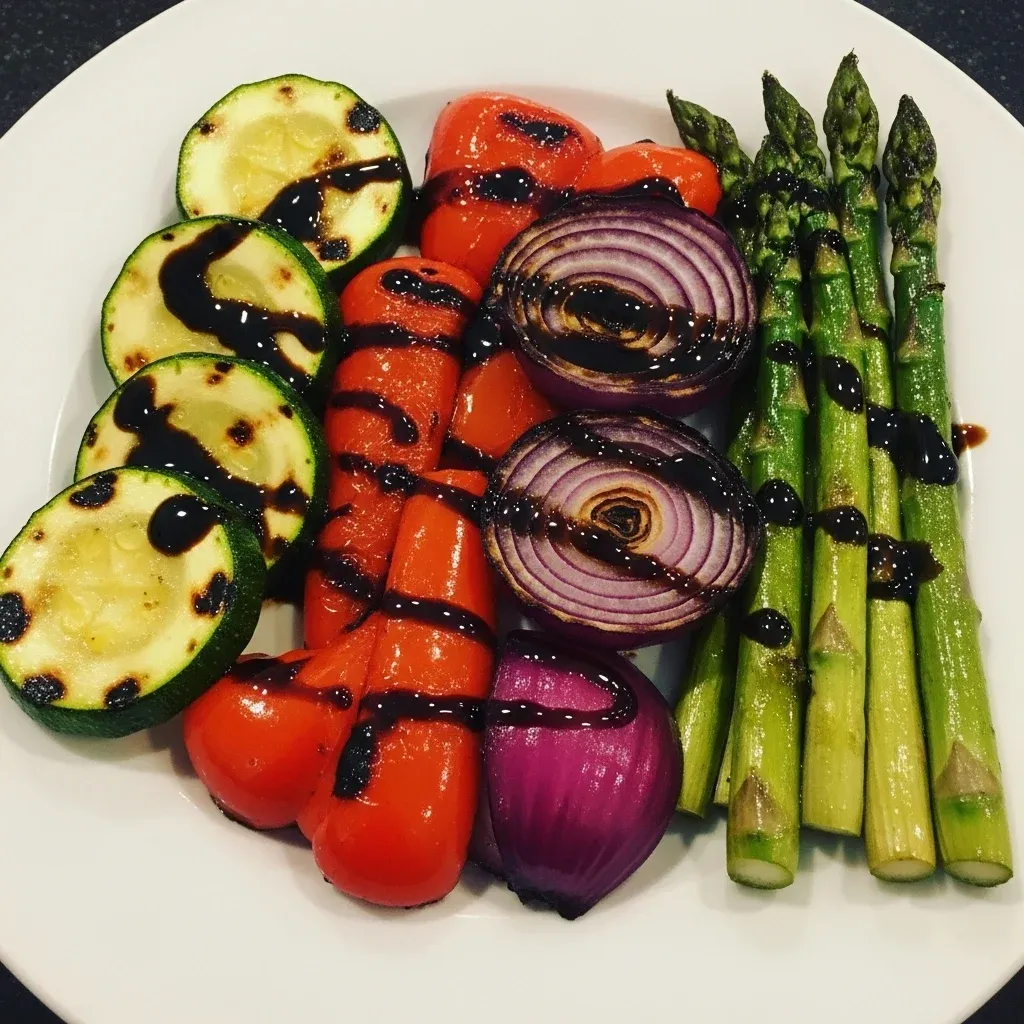
Grilling transforms humble produce into a powerhouse of flavor through the application of high thermal energy. When you prepare Balsamic Glazed Grilled Vegetables, you are not just cooking; you are orchestrating a complex series of chemical reactions that enhance both texture and taste. The high heat of the grill triggers the Maillard reaction, while the concentrated balsamic vinegar adds deep acidity and sweetness.
This specific balance of char and tang creates a side dish that often outshines the main protein. You will find that the natural sugars in the vegetables harmonize perfectly with the reduced glaze. Mastering Balsamic Glazed Grilled Vegetables requires an understanding of heat management and ingredient synergy to avoid a soggy result. This guide ensures your produce remains crisp-tender while absorbing the maximum amount of flavor from the marinade.
Why You’ll Love This Balsamic Glazed Grilled Vegetables Recipe
- Complexity of Flavor: The reduction of balsamic vinegar concentrates sugars and acids, creating a glaze that offers a sophisticated sweet-and-savory profile.
- Nutrient Retention: Quick, high-heat grilling preserves more vitamins and minerals compared to boiling or long roasting.
- Textural Contrast: This method achieves a smoky, charred exterior while maintaining a succulent, tender interior for every vegetable piece.
- Versatile Pairing: These vegetables function as a standalone vegetarian main or a robust side for almost any grilled protein.
Ingredients You’ll Need
To achieve the best results with your Balsamic Glazed Grilled Vegetables, you must focus on the quality of your lipids and acids. I recommend using a high-quality balsamic vinegar of Modena for its natural thickness and complex flavor profile. The oil should have a high smoke point to withstand the intense heat of the grill grates without breaking down into bitter compounds. Freshness in your produce is paramount; younger vegetables contain more water and natural sugars, which facilitate better caramelization.
| Ingredient | Quantity | Chef’s Note |
|---|---|---|
| Balsamic Vinegar | 1/2 cup | Use a thick, aged variety for better adherence. |
| Extra Virgin Olive Oil | 1/4 cup | Provides the necessary fats for flavor transmission. |
| Fresh Garlic | 3 cloves | Minced finely to release allicin and aromatic oils. |
| Zucchini | 2 medium | Slice into thick rounds to prevent overcooking. |
| Red Bell Peppers | 2 large | Cut into wide strips for maximum surface area. |
| Red Onion | 1 large | Keep the root intact to hold wedges together. |
| Asparagus | 1 bunch | Trim the woody ends to ensure uniform tenderness. |
| Dried Oregano | 1 teaspoon | Adds an earthy, herbaceous backbone to the glaze. |
| Kosher Salt | To taste | Essential for drawing out moisture and seasoning. |
| Black Pepper | To taste | Freshly cracked for the best volatile oil expression. |
Substitutions & Variations
While the standard Balsamic Glazed Grilled Vegetables rely on a specific set of produce, you can adapt the recipe based on seasonal availability. If you want to lower the glycemic index, you can substitute the balsamic vinegar with a combination of red wine vinegar and a touch of monk fruit sweetener. For those who prefer a spicier profile, adding red pepper flakes to the glaze introduces a capsaicin kick that cuts through the richness of the oil.
If you do not have zucchini, yellow summer squash offers a similar cellular structure and water content. Furthermore, you can swap the oregano for fresh thyme or rosemary if you prefer a more woodsy aroma. Always remember that denser vegetables like carrots or parsnips will require a par-boiling step before they hit the grill to ensure they cook at the same rate as the softer peppers and onions.
If you’re interested in creativity in the kitchen, try making a Homemade Cherry Pie, which balances sweetness with a flaky crust. This dessert can beautifully complement your grilled vegetables during a summer gathering, providing a full-spectrum of flavors.
Step-by-Step Instructions
Success with Balsamic Glazed Grilled Vegetables comes down to the timing of the glaze application. If you apply the glaze too early, the sugars will burn before the vegetables soften. Follow these steps for scientific precision.
- Prepare the Glaze: In a small whisking bowl, combine the balsamic vinegar, olive oil, minced garlic, oregano, salt, and pepper. Whisk vigorously to create a temporary emulsion. This ensure the oil and vinegar coat the vegetables evenly rather than separating.
- Vegetable Preparation: Wash and dry your vegetables thoroughly. Excess surface moisture will create steam, which prevents the Maillard reaction from occurring. Slice the zucchini and peppers into uniform sizes to ensure they reach the target internal temperature simultaneously.
- The Initial Marinate: Toss the prepared vegetables in half of the balsamic mixture. Let them sit for approximately 15 minutes. This allows the salt to penetrate the vegetable walls and the flavors to begin diffusing into the tissues.
- Preheat the Grill: Set your grill to medium-high heat (about 400°F to 450°F). Clean the grates thoroughly with a wire brush. A clean surface is essential to prevent sticking and to ensure clean grill marks.
- The Grilling Process: Place the vegetables across the grates in a single layer. Do not crowd the pan or the grill surface. Cook the Balsamic Glazed Grilled Vegetables for about 4 to 5 minutes per side. You are looking for distinct char marks and a slight softening of the structure.
- The Final Glaze: During the last two minutes of cooking, brush the remaining balsamic mixture over the vegetables. This late application allows the sugars to caramelize into a sticky, glossy coating without carbonizing and becoming bitter.
- Rest and Serve: Remove the vegetables from the grill and place them on a warm platter. Let them rest for three minutes. This allows the residual heat to finish cooking the centers while the glaze thickens as it cools slightly.
Pro Tips for Success
To elevate your Balsamic Glazed Grilled Vegetables to a professional standard, you must consider the physics of the grill. Always use “two-zone” grilling if you are working with a variety of vegetable densities. Keep one side of the grill hot for searing and the other side cooler for gentle cooking.
If your onions are cooking faster than your peppers, move them to the cool zone. Additionally, pay attention to the “viscosity” of your glaze. If your balsamic vinegar is very thin, simmer it in a small saucepan for five minutes before using it to create a thicker reduction.
This ensures the Balsamic Glazed Grilled Vegetables are coated in a rich sauce rather than a watery liquid. Finally, never use a fork to turn your vegetables; use silicone-tipped tongs. Piercing the vegetables allows the internal juices to escape, which leads to a drier end product.
To further enhance your culinary skills alongside Balsamic Glazed Grilled Vegetables, consider preparing a Creamy Mushroom Soup. The rich and earthy flavors of the soup can create a delightful contrast when served together.
Storage & Reheating Tips
While Balsamic Glazed Grilled Vegetables are best enjoyed immediately, you can store leftovers effectively. Place the cooled vegetables in an airtight glass container. They will maintain their quality for up to three or four days in the refrigerator.
Note that the acidity in the balsamic vinegar may continue to soften the vegetable tissues over time. To reheat, avoid the microwave, as it will make the vegetables rubbery and soggy. Instead, use a toaster oven or a skillet over medium heat.
A quick flash in a hot pan will re-crystallize the sugars in the glaze and restore some of the original texture. You can also chop leftover Balsamic Glazed Grilled Vegetables and incorporate them into a cold pasta salad or a frittata the following morning.
What to Serve With This Recipe
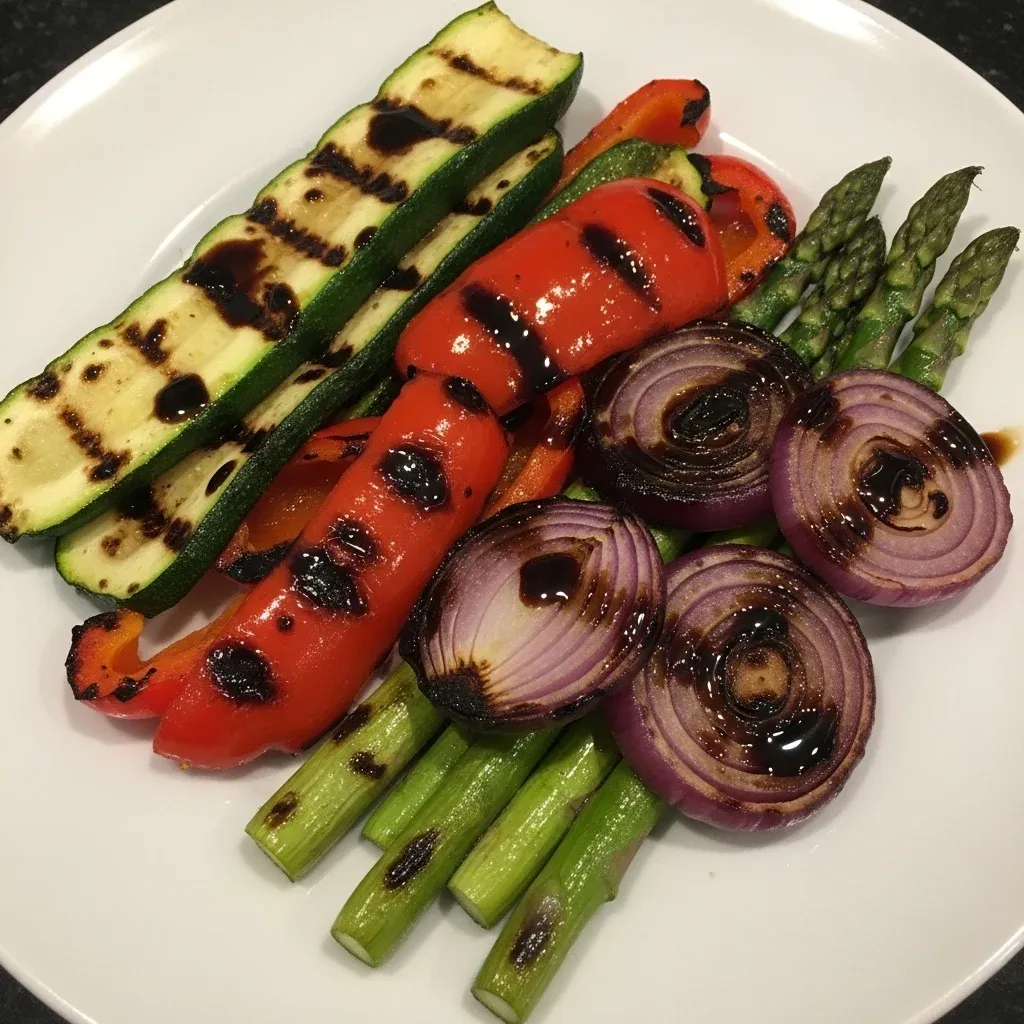
The acidic and smoky profile of Balsamic Glazed Grilled Vegetables makes them an ideal partner for many dishes. They provide a refreshing contrast to fatty meats like grilled ribeye or pork chops. For a lighter, plant-based meal, serve these vegetables over a bed of fluffy quinoa or farro.
The grains will absorb any extra glaze that drips off the produce. You might also consider pairing them with a fresh Burrata cheese; the creamy interior of the cheese balances the sharp acidity of the balsamic reduction beautifully. If you are hosting a barbecue, these vegetables stand up well next to grilled salmon or lemon-herb chicken skewers. The versatility of Balsamic Glazed Grilled Vegetables ensures they fit into almost any culinary theme, from Mediterranean to classic American cookouts.
For an even heartier meal, pair your Balsamic Glazed Grilled Vegetables with an Instant Pot Mushroom Soup. The combination will balance the smoky, tangy flavors of the vegetables with the creamy texture of the soup.
FAQs
Can I make these vegetables in the oven if I don’t have a grill?
Yes, you can certainly achieve similar results using an oven. Set your oven to 425°F and use a large sheet pan. While you will miss the distinct smoky flavor of charcoal or gas, the high heat will still facilitate caramelization. I recommend using the broiler for the final two minutes to mimic the direct heat of a grill and to set the glaze on your Balsamic Glazed Grilled Vegetables.
How do I prevent the vegetables from sticking to the grill?
Sticking occurs when the proteins and sugars in the food bond with the metal of the grates. To prevent this, ensure your grill is incredibly clean and properly seasoned with oil. Furthermore, do not try to flip the Balsamic Glazed Grilled Vegetables too early. When the Maillard reaction has progressed sufficiently, the vegetables will naturally release from the grates.
Is it better to use white balsamic or dark balsamic vinegar?
Traditional dark balsamic vinegar is preferred for Balsamic Glazed Grilled Vegetables because it has a higher sugar content and a more robust flavor. White balsamic is milder and less syrupy. If you use white balsamic, you may need to add a teaspoon of honey or maple syrup to achieve the same level of caramelization and “cling” to the vegetables.
Balsamic Glazed Grilled Vegetables are a versatile dish that utilizes the unique flavor of balsamic vinegar paired with high-heat grilling techniques. This cooking method not only enhances natural flavors but also promotes nutrient retention in the vegetables, offering a healthy side dish option for many meals. For more on vinegar cooking methods, check out this link.
Nutrition Information (per serving)
The following data represents the estimated nutritional breakdown for one serving of Balsamic Glazed Grilled Vegetables. This recipe is naturally low in cholesterol and provides a high volume of food for a relatively low caloric density, making it excellent for weight management and heart health.
| Nutrient | Amount |
|---|---|
| Calories | 145 kcal |
| Total Fat | 9g |
| Saturated Fat | 1.5g |
| Sodium | 210mg |
| Total Carbohydrates | 16g |
| Dietary Fiber | 4g |
| Sugars | 9g |
| Protein | 3g |
Balsamic Glazed Grilled Vegetables
- Total Time: 30 mins
- Yield: 4 servings 1x
- Diet: Gluten Free
Description
Balsamic Glazed Grilled Vegetables are a delicious and healthy side dish that combines a variety of fresh vegetables grilled to perfection and glazed with a rich balsamic reduction. This dish features a complex flavor profile with sweet and tangy notes, achieved through high-heat grilling and the caramelization of natural sugars in the vegetables.
Ingredients
1/2 cup Balsamic Vinegar
1/4 cup Extra Virgin Olive Oil
3 cloves Fresh Garlic
2 medium Zucchini
2 large Red Bell Peppers
1 large Red Onio
1 bunch Asparagus
1 teaspoon Dried Oregano
Kosher Salt to taste
Black Pepper to taste
Instructions
- Prepare the Glaze: In a small whisking bowl, combine the balsamic vinegar, olive oil, minced garlic, oregano, salt, and pepper. Whisk vigorously to create a temporary emulsio
- Vegetable Preparation: Wash and dry your vegetables thoroughly, slice them into uniform sizes
- The Initial Marinate: Toss the prepared vegetables in half of the balsamic mixture and let them sit for about 15 minutes
- Preheat the Grill: Set your grill to medium-high heat (about 400°F to 450°F)
- The Grilling Process: Place the vegetables across the grates in a single layer and cook for about 4 to 5 minutes per side
- The Final Glaze: During the last two minutes of cooking, brush the remaining balsamic mixture over the vegetables
- Rest and Serve: Remove the vegetables from the grill and let them rest for three minutes before serving
Notes
Use a thick, aged balsamic vinegar for better adherence to the vegetables.
Consider using a two-zone grilling approach for different vegetable densities.
- Prep Time: 20 mins
- Cook Time: 10 mins
- Category: Dinner
- Method: Grilling
- Cuisine: American
Nutrition
- Serving Size: 1 serving
- Calories: 145 kcal
- Sugar: 9g
- Sodium: 210mg
- Fat: 9g
- Saturated Fat: 1.5g
- Unsaturated Fat: 7.5g
- Trans Fat: 0g
- Carbohydrates: 16g
- Fiber: 4g
- Protein: 3g
- Cholesterol: 0mg