
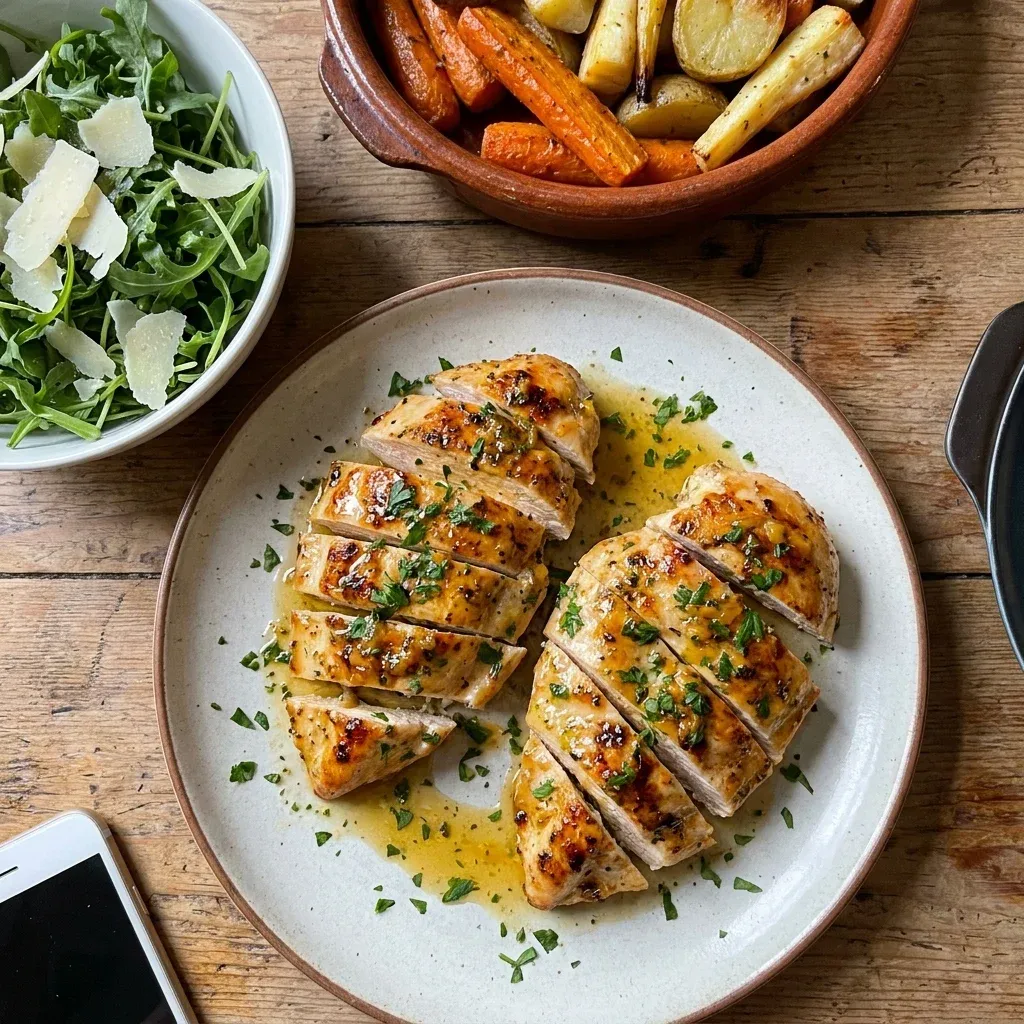
Achieving the perfect balance of moisture and flavor in poultry often feels like a culinary tightrope walk, but Gordon Ramsay’s Marinated Chicken provides a fail-safe blueprint for success. This recipe transforms standard chicken breasts or thighs into succulent, flavor-packed centerpieces using a sophisticated blend of acid, aromatics, and fat. As a former test kitchen chef, I have spent years analyzing how different marinades interact with protein structures, and this specific method excels at the molecular level.
You will notice a profound difference in the tenderness of the meat, thanks to the controlled denaturation of the muscle fibers. The result is a vibrant, citrus-forward profile that elevates your midweek meal to a restaurant-quality experience. By understanding the science behind Gordon Ramsay’s Marinated Chicken, you can master the art of the marinade and ensure your chicken is never dry or bland again.
Why You’ll Love Gordon Ramsay’s Marinated Chicken
- Unmatched Texture: The precise ratio of acid to oil ensures the meat becomes tender without turning mushy, creating a perfect mouthfeel every time.
- Maximum Efficiency: You can prep the components in minutes, making Gordon Ramsay’s Marinated Chicken an ideal solution for high-protein meal prepping.
- Nutrient Dense: Utilizing fresh herbs and citrus provides a massive flavor boost without the need for heavy, calorie-laden sauces or processed sugars.
- Chef-Level Flavor: The combination of garlic, lemon, and fresh thyme creates a sophisticated aromatic profile that tastes far more complex than the simple preparation suggests.
Ingredients You’ll Need
To achieve the best results with Gordon Ramsay’s Marinated Chicken, you must prioritize the quality of your raw materials. Freshness is the determining factor in the final flavor profile. Look for organic, air-chilled chicken if possible, as it retains less water and absorbs the marinade more effectively.
| Ingredient | Quantity | Chef’s Note on Quality |
|---|---|---|
| Chicken Breasts or Thighs | 1.5 lbs | Use air-chilled poultry for better sear and absorption. |
| Extra Virgin Olive Oil | 3 tablespoons | Choose a high-quality oil for better fat-soluble flavor transport. |
| Fresh Lemon Juice | 1 large lemon | Freshly squeezed juice provides active enzymes that bottled juice lacks. |
| Garlic Cloves | 3-4 cloves | Smash and mince your garlic fresh; avoid the pre-peeled jars. |
| Fresh Thyme | 4 sprigs | The oils in fresh thyme are more volatile and aromatic than dried. |
| Smoked Paprika | 1 teaspoon | Provides a subtle depth and a beautiful golden-red color. |
| Sea Salt & Black Pepper | To taste | Kosher salt or sea salt helps draw the marinade into the fibers. |
Substitutions & Variations
While the classic version of Gordon Ramsay’s Marinated Chicken is nearly perfect, you can make healthy adjustments based on your dietary needs or pantry availability. If you are watching your saturated fat intake, stick with the heart-healthy olive oil recommended in the original recipe. For those who prefer a different aromatic profile, you can swap thyme for rosemary or oregano, both of which offer high levels of antioxidants.
If you find lemon too sharp, try using lime juice or a splash of apple cider vinegar for a different type of acidity. For a spicier kick, a pinch of red chili flakes can be added to the Gordon Ramsay’s Marinated Chicken base without compromising the nutritional integrity of the dish. Always ensure your substitutions maintain the 3-to-1 oil-to-acid ratio to keep the science of the marinade intact.
If you’re looking to enhance your chicken dishes while keeping them healthy, consider trying the delicious High-Protein Philly Cheesesteak Mac & Cheese for a comforting side that complements the marinated chicken beautifully.
Step-by-Step Instructions
- Prepare the Chicken: Start by patting the chicken dry with paper towels. Removing surface moisture allows the marinade to adhere better. If using thick chicken breasts, use a meat mallet to pound them to an even thickness. This ensures Gordon Ramsay’s Marinated Chicken cooks uniformly.
- Create the Marinade Emulsion: In a medium glass bowl, whisk together the olive oil, fresh lemon juice, minced garlic, smoked paprika, and chopped thyme. Whisking creates a temporary emulsion, ensuring the fat-soluble and water-soluble flavors are evenly distributed.
- Seasoning: Add a generous pinch of sea salt and freshly cracked black pepper to the mixture. Salt is crucial here; it breaks down the protein structure (myosin), allowing the meat to hold onto more water during the cooking process.
- The Marinating Process: Place the chicken in a shallow dish or a resealable bag and pour the marinade over it. Ensure every inch of the meat is coated. For the best Gordon Ramsay’s Marinated Chicken, refrigerate for at least 30 minutes, though 2 to 4 hours is the “sweet spot.” Avoid marinating for more than 12 hours, as the acid can begin to “cook” the meat and toughen it.
- Preheat the Pan: Bring a heavy-bottomed skillet or cast-iron pan to medium-high heat. Add a tiny splash of oil. You want the pan to be hot enough to trigger the Maillard reaction—the chemical reaction between amino acids and reducing sugars that gives browned food its distinctive flavor.
- The Sear: Remove the chicken from the marinade, shaking off any excess. Place the chicken in the hot pan. Cook for 5-7 minutes per side, depending on the thickness. Do not move the meat too early; wait for a deep golden crust to form.
- The Rest: Once the internal temperature reaches 165°F (74°C), remove the chicken from the heat. Transfer to a cutting board and let it rest for at least 5 minutes. This allows the juices to redistribute throughout the Gordon Ramsay’s Marinated Chicken, ensuring a moist result.
Pro Tips for Success
To truly master Gordon Ramsay’s Marinated Chicken, you must focus on the technical details. First, never cook chicken straight from the refrigerator. Let the marinated meat sit at room temperature for about 15 minutes before it hits the pan.
This reduces the thermal shock and prevents the muscle fibers from tightening up too quickly, which can lead to toughness. Second, use a digital meat thermometer. Estimating doneness by sight is a recipe for overcooked, dry meat. Pulling the chicken at exactly 165°F is the key to that signature Gordon Ramsay quality.
Another technical secret involves the “resting phase.” During cooking, the proteins in the meat contract and push moisture toward the center. If you cut into your Gordon Ramsay’s Marinated Chicken immediately after it leaves the pan, all that moisture will spill out onto your board.
By resting the meat, you allow the fibers to relax and reabsorb that juice, resulting in a significantly more flavorful bite. Lastly, don’t discard the garlic and herbs from the marinade; you can toss them into the pan for the last 60 seconds of cooking to infuse the surface of the chicken with a final burst of toasted aromatic flavor.
Ensuring that you master the cooking technique is essential for achieving the best results, so don’t miss out on this valuable advice in Detox Beet Juice that will guide you on kitchen fundamentals to keep your chicken juicy and tender.
Storage & Reheating Tips
If you have leftover Gordon Ramsay’s Marinated Chicken, storage is simple. Place the cooled chicken in an airtight glass container and keep it in the refrigerator for up to four days. To maintain the texture during reheating, avoid the microwave if possible.
Microwaves often vibrate water molecules so intensely that they escape as steam, leaving the chicken rubbery. Instead, reheat the chicken in a covered skillet over low heat with a tablespoon of water or chicken broth. This creates a gentle steaming environment that revives the Gordon Ramsay’s Marinated Chicken without drying it out.
If you wish to freeze the chicken, you can freeze it in the marinade itself. This actually protects the meat from freezer burn and allows the marinating process to happen as the meat thaws in the fridge overnight.
What to Serve With This Recipe
Because Gordon Ramsay’s Marinated Chicken features a bright, acidic profile, you should pair it with sides that balance that sharpness. A crisp arugula salad with a light balsamic glaze provides a peppery contrast that works beautifully. For a more substantial meal, roasted root vegetables like carrots and parsnips offer a natural sweetness that complements the smokiness of the paprika in the chicken.
If you are looking for a classic Gordon Ramsay feel, serve the chicken alongside sautéed broccolini with a touch of chili and garlic. These healthy, fiber-rich pairings ensure your meal remains nutritionally balanced while allowing the flavors of the Gordon Ramsay’s Marinated Chicken to remain the star of the plate.
For additional meal ideas that incorporate chicken and maximize flavor, explore 8 Easy Chicken Dinners Your Family Will Beg For, providing perfect pairings for the marinated dish.
FAQs
How long should I marinate the chicken for the best flavor?
For the optimal Gordon Ramsay’s Marinated Chicken experience, aim for 2 to 4 hours. This allows enough time for the salt and acid to penetrate the surface layers of the meat. If you go beyond 12 hours, the lemon juice will begin to break down the proteins too much, resulting in a mealy or mushy texture rather than a tender one.
Can I use this marinade on other types of protein?
Absolutely. The flavor profile of Gordon Ramsay’s Marinated Chicken is incredibly versatile. It works exceptionally well on pork tenderloin or firm white fish like cod or halibut. However, if using it for fish, reduce the marinating time to 30 minutes, as fish proteins are much more delicate than poultry proteins.
Why does my chicken sometimes stick to the pan?
Sticking usually happens for two reasons: either the pan wasn’t hot enough or you tried to flip the meat too early. When you make Gordon Ramsay’s Marinated Chicken, wait for the Maillard reaction to occur. Once the crust has properly formed, the chicken will naturally “release” from the surface of the pan. This is a sign that it is ready to be flipped.
Gordon Ramsay’s Marinated Chicken is a signature dish that showcases the importance of marinating in enhancing flavor and tenderness. For insights into the broader culinary techniques that make such dishes successful, explore this detailed overview of Culinary Techniques.
Nutrition Information (per serving)
This nutritional breakdown reflects a standard serving of Gordon Ramsay’s Marinated Chicken using a 6-ounce chicken breast and the specified marinade ingredients. It is a high-protein, low-carbohydrate option perfect for various dietary lifestyles.
| Macro | Amount |
|---|---|
| Calories | 285 kcal |
| Protein | 38g |
| Total Fat | 14g |
| Saturated Fat | 2g |
| Carbohydrates | 2g |
| Sodium | 420mg |
Mastering Gordon Ramsay’s Marinated Chicken is a journey into the heart of kitchen science. By controlling the heat, understanding the role of acids, and respecting the resting process, you can produce a meal that is consistently delicious and healthy. This recipe isn’t just about following steps; it’s about learning how ingredients interact to create the best possible version of a culinary staple.
Print
Gordon Ramsay’s Marinated Chicken
- Total Time: 30 mins
- Yield: 4 servings 1x
- Diet: Gluten Free
Description
Gordon Ramsay’s Marinated Chicken provides a fail-safe blueprint for transforming chicken breasts or thighs into succulent, flavor-packed centerpieces using a blend of acid, aromatics, and fat.
Ingredients
1.5 lbs Chicken Breasts or Thighs
3 tablespoons Extra Virgin Olive Oil
1 large Fresh Lemon Juice
3–4 cloves Garlic Cloves
4 sprigs Fresh Thyme
1 teaspoon Smoked Paprika
Sea Salt & Black Pepper to taste
Instructions
- Pat the chicken dry with paper towels and pound to an even thickness
- In a medium glass bowl, whisk together the olive oil, fresh lemon juice, minced garlic, smoked paprika, and chopped thyme
- Add a generous pinch of sea salt and freshly cracked black pepper to the mixture
- Place the chicken in a shallow dish or resealable bag and pour the marinade over it, ensuring it is coated
- Refrigerate for at least 30 minutes, ideally 2 to 4 hours
- Preheat a heavy-bottomed skillet or cast-iron pan to medium-high heat
- Remove the chicken from the marinade and place it in the hot pan, cooking for 5-7 minutes per side
- Once the internal temperature reaches 165°F (74°C), remove from heat and let rest for at least 5 minutes
Notes
Let the chicken sit at room temperature for about 15 minutes before cooking to reduce thermal shock.
Use a digital meat thermometer for precise cooking.
Rest the chicken after cooking to retain moisture.
- Prep Time: 20 mins
- Cook Time: 10 mins
- Category: Dinner
- Method: Searing
- Cuisine: American
Nutrition
- Serving Size: 1 piece of chicken
- Calories: 285 kcal
- Sugar: 1 g
- Sodium: 420 mg
- Fat: 14 g
- Saturated Fat: 2 g
- Unsaturated Fat: 12 g
- Trans Fat: 0 g
- Carbohydrates: 2 g
- Fiber: 0 g
- Protein: 38 g
- Cholesterol: 100 mg