
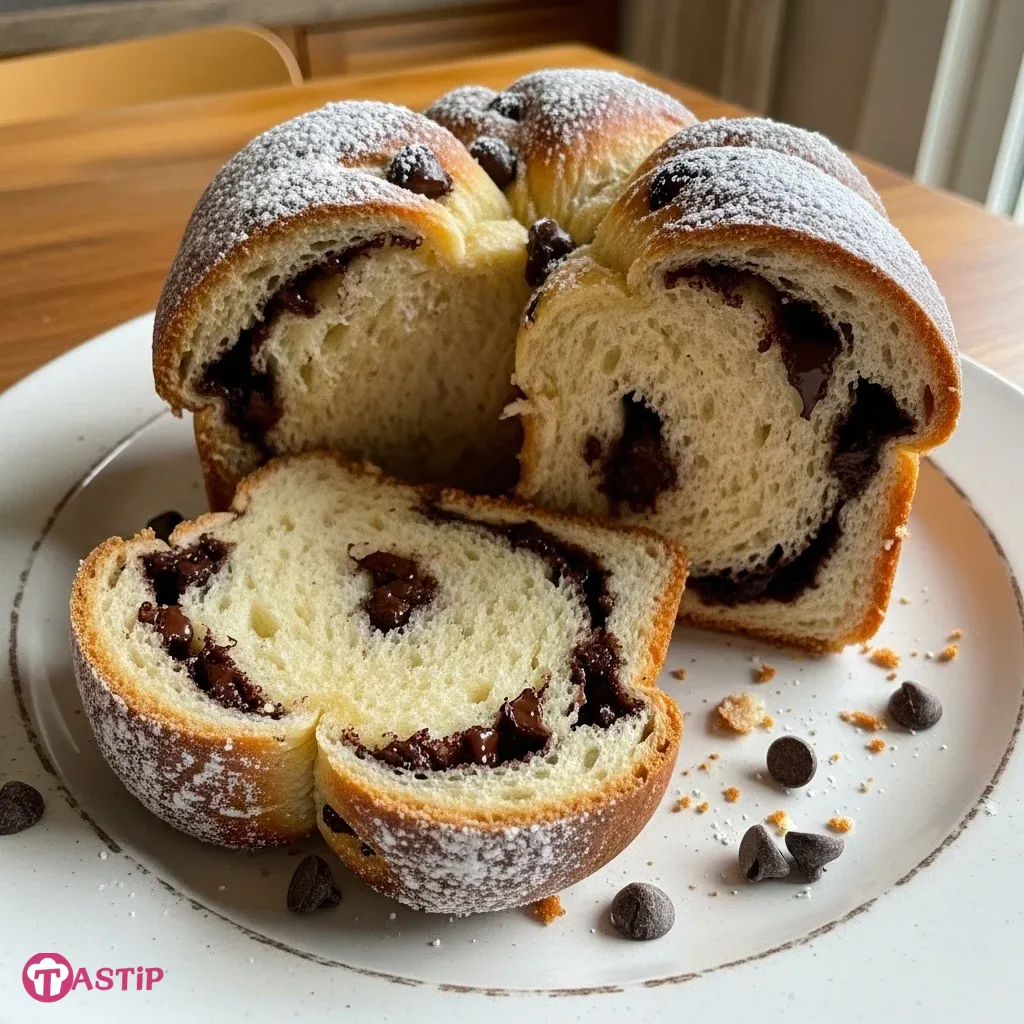
Welcome to the ultimate guide on mastering the Brioche Bread Recipe. As a former test kitchen chef, I have spent years perfecting the balance between airy texture and buttery richness. This Brioche Bread Recipe relies on the science of enriched dough to create a crumb that feels like a cloud.
You will notice a golden crust and a sweet, milky aroma that fills your entire kitchen. Understanding the emulsification of fats within the gluten structure is the key to success here. Let’s dive into why this Brioche Bread Recipe stands out from any store-bought loaf.
Why You’ll Love This Brioche Bread Recipe
- Unmatched Texture: This Brioche Bread Recipe creates a tender, pillowy crumb thanks to the high fat content from grass-fed butter and fresh eggs.
- Culinary Versatility: You can use this bread for decadent French toast, gourmet burger buns, or simply toasted with a thin layer of fruit preserves.
- Clean Ingredients: Unlike commercial breads, this Brioche Bread Recipe avoids preservatives and artificial softeners, focusing on biological fermentation for flavor development.
- Scientific Satisfaction: You will learn the “windowpane test” and the physics of dough elasticity, making you a more confident baker.
Ingredients You’ll Need
Quality is paramount when executing a professional Brioche Bread Recipe. Because this dough contains so few ingredients, each one must perform a specific chemical function. I recommend using high-protein bread flour to ensure the gluten network can support the weight of the added fats. Use European-style butter if possible; its lower water content and higher butterfat percentage result in a more stable emulsion.
| Ingredient | Quantity | Purpose |
|---|---|---|
| Bread Flour | 500g | Provides the protein structure (gluten) necessary for lift. |
| Whole Milk | 120ml | Hydrates the flour and provides natural sugars for the yeast. |
| Active Dry Yeast | 10g | The biological leavening agent that creates carbon dioxide. |
| Granulated Sugar | 50g | Feeds the yeast and promotes the Maillard reaction (browning). |
| Fine Sea Salt | 10g | Regulates yeast activity and strengthens the gluten bonds. |
| Large Eggs | 4 units | Adds fats, proteins, and lecithin for emulsification. |
| Unsalted Butter | 200g | Creates the signature “short” crumb and rich flavor profile. |
Substitutions & Variations
While a traditional Brioche Bread Recipe is indulgent, you can make specific swaps to align with your dietary goals. I always prioritize whole-food substitutions that maintain the integrity of the dough’s chemistry.
- Natural Sweeteners: You can replace granulated sugar with honey or maple syrup. Note that liquid sweeteners add moisture, so you might need to increase your flour by one or two tablespoons.
- Healthy Fat Swap: If you want to reduce saturated animal fats, you can substitute half of the butter with refined coconut oil. This maintains the solid-to-liquid fat ratio essential for this Brioche Bread Recipe.
- Whole Grain Boost: Replace 100g of the bread flour with white whole wheat flour. This adds fiber and magnesium without making the loaf too dense or “toothy.”
- Plant-Based Enrichment: For a dairy-free version, use unsweetened soy milk (which has a high protein content) and a high-quality vegan butter stick.
If you’re looking for a delightful twist on your brioche, consider exploring a new flavor with my Chocolate Chip Brioche Bread. This recipe integrates rich chocolate flavors into the classic dough, making for an irresistible treat.
Step-by-Step Instructions
- Activate the Yeast: Warm your milk to exactly 105°F (40°C). Whisk in a teaspoon of sugar and the yeast. Let it sit for 10 minutes until a thick foam forms. This ensures your yeast is alive and ready to ferment.
- Mix the Dry Base: In the bowl of a stand mixer, combine the bread flour, remaining sugar, and salt. Use a whisk to distribute the salt evenly, as direct contact with concentrated yeast can inhibit fermentation.
- Incorporate the Liquids: Add the yeast mixture and the room-temperature eggs to the flour. Using the dough hook attachment, mix on low speed until a shaggy dough forms and no dry flour remains.
- Develop the Gluten: Increase the mixer speed to medium. Knead the dough for about 8 to 10 minutes. At this stage of the Brioche Bread Recipe, the dough should be smooth and start pulling away from the sides of the bowl.
- The Butter Emulsion: This is the most critical step. With the mixer running, add the softened butter one tablespoon at a time. Wait until each piece is fully incorporated before adding the next. This allows the fat to coat the gluten strands without breaking them.
- The First Rise (Bulk Fermentation): Place the dough in a lightly greased bowl. Cover it with a damp cloth. Let it rise in a warm, draft-free spot until doubled in size, usually 1.5 to 2 hours. For the best flavor, I recommend a “cold ferment” in the fridge overnight.
- Shaping the Loaf: Gently deflate the dough. Divide it into three equal pieces and roll them into cylinders. Place them into a greased 9×5 inch loaf pan. This Brioche Bread Recipe also works well for individual buns or a braided loaf.
- The Second Rise (Proofing): Cover the pan and let the dough rise again for 45 to 60 minutes. The dough should look puffy and reach about an inch above the rim of the pan.
- The Egg Wash: Whisk one egg with a splash of water and brush it gently over the top. This creates the iconic lacquered, golden-brown finish associated with a high-quality Brioche Bread Recipe.
- Baking: Preheat your oven to 350°F (175°C). Bake for 30 to 35 minutes. The internal temperature should register 190°F (88°C) on a digital thermometer. Remove from the pan immediately and cool on a wire rack to prevent a soggy bottom.
Pro Tips for Success
To truly master the Brioche Bread Recipe, you must think like a scientist. Temperature control is your most powerful tool in the kitchen. If your kitchen is too hot, the butter will melt out of the dough rather than emulsifying.
If it is too cold, the yeast will go dormant. I always aim for a final dough temperature of 75°F to 78°F.
Another professional secret involves the “Windowpane Test.” Take a small piece of dough and stretch it gently between your fingers. If you can stretch it thin enough to see light through it without it tearing, your gluten network is perfectly developed. If it snaps, keep kneading.
This Brioche Bread Recipe demands patience; do not rush the butter incorporation. Adding it too fast will result in a greasy, heavy bread rather than a light, fluffy one.
Lastly, consider the humidity in your environment. Flour is hygroscopic, meaning it absorbs moisture from the air. On a humid day, you may need an extra tablespoon of flour.
On a dry day, you might need a splash more milk. Trust your hands and the look of the dough more than the specific measurements of this Brioche Bread Recipe.
For those who want convenience without compromising on quality, my Bread Machine Brioche Bread recipe is a game-changer. It allows you to enjoy homemade brioche with minimal effort, while still achieving a wonderfully texture.
Storage & Reheating Tips
Because this Brioche Bread Recipe contains a high volume of fat, it stays fresh longer than lean breads like sourdough or baguettes. However, oxygen is still the enemy of freshness. Store your cooled bread in an airtight container or a sealed plastic bag at room temperature for up to three days.
For longer storage, I highly recommend freezing. Slice the loaf first, then place parchment paper between the slices before bagging. This allows you to pull out exactly what you need.
To reheat, avoid the microwave, as it can make the bread rubbery. Instead, use a toaster oven or a standard oven at 300°F for five minutes. This restores the crispness of the crust while softening the buttery interior.
What to Serve With This Brioche Bread Recipe
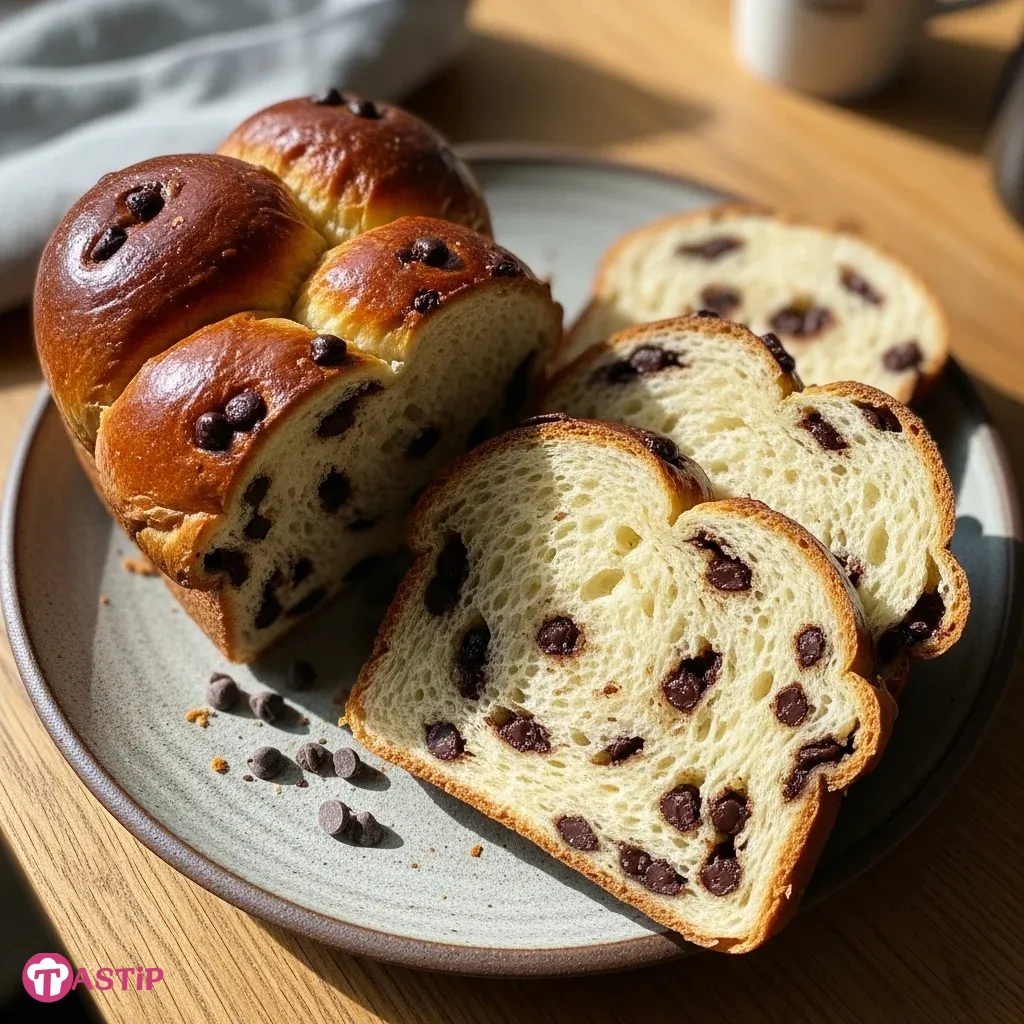
While this bread is a star on its own, it pairs beautifully with nutrient-dense sides that balance its richness. I love serving a thick slice of toasted brioche alongside a vibrant Kale and Quinoa Salad. The acidity in a lemon-tahini dressing cuts through the butter of the bread perfectly.
For a savory brunch, serve this Brioche Bread Recipe with Roasted Root Vegetables. The caramelized sugars in carrots and parsnips complement the slight sweetness of the dough. You could also use it as a base for avocado toast, topped with microgreens and a sprinkle of hemp seeds for added protein and healthy fats.
If you are feeling indulgent but want to stay healthy, try it with a bowl of homemade Roasted Tomato Basil Soup. The bread acts as the perfect vessel for soaking up the antioxidant-rich broth.
To elevate your culinary experience, pair this brioche with a healthy side like Bread Machine Brioche Bread that is versatile enough for various dishes. It complements roasted vegetables perfectly, adding a rich flavor to your brunch table.
FAQs
Can I make this Brioche Bread Recipe without a stand mixer?
You can, but it requires significant physical effort. Enriched doughs are very sticky until the gluten is fully developed and the butter is emulsified. You will need to use a “slap and fold” technique for about 20 minutes. It is a great workout, but a stand mixer certainly makes this Brioche Bread Recipe much more accessible.
Why did my brioche turn out dense instead of fluffy?
Density usually results from two factors: under-kneading or under-proofing. If you don’t develop enough gluten, the bread cannot trap the carbon dioxide produced by the yeast. Furthermore, if you don’t let the dough rise long enough during the second proof, it won’t have the necessary air pockets. Always ensure the dough has doubled in size before it hits the oven.
Can I use this dough to make cinnamon rolls?
Absolutely! This Brioche Bread Recipe is the perfect “mother dough” for various pastries. Simply roll the dough into a large rectangle, spread your filling, roll it up, and slice. The high fat content ensures the rolls remain soft and tender even after they cool down.
Brioche is a type of bread that is known for its rich, tender crumb achieved through a high fat content typically from butter and eggs. This indulgent bread has gained popularity around the world as a versatile base for both sweet and savory dishes, offering culinary joy with each bite, making it a favorite in various cuisines, as described in this detailed overview.
Nutrition Information (per serving)
This Brioche Bread Recipe provides a balanced mix of carbohydrates, fats, and proteins. By using high-quality ingredients, you ensure that every calorie comes with essential nutrients like Vitamin A and Calcium. One serving is typically one thick slice (approximately 50g).
| Nutrient | Amount per Serving |
|---|---|
| Calories | 210 kcal |
| Total Fat | 11g |
| Saturated Fat | 6g |
| Cholesterol | 65mg |
| Sodium | 180mg |
| Total Carbohydrates | 22g |
| Dietary Fiber | 1g |
| Sugars | 4g |
| Protein | 5g |
Mastering this Brioche Bread Recipe is a rite of passage for any serious home baker. By respecting the science of fermentation and the delicate balance of fats and proteins, you create a loaf that is far superior to anything found in a grocery store. Happy baking!
Print
Brioche Bread Recipe
- Total Time: 2 hours 55 mins
- Yield: 1 loaf 1x
- Diet: Vegetarian
Description
This Brioche Bread Recipe creates a tender, pillowy crumb thanks to the high fat content from grass-fed butter and fresh eggs, resulting in a golden crust and sweet, milky aroma. Perfect for French toast, gourmet buns, or simply toasted with preserves.
Ingredients
500 g Bread Flour
120 ml Whole Milk
10 g Active Dry Yeast
50 g Granulated Sugar
10 g Fine Sea Salt
4 units Large Eggs
200 g Unsalted Butter
Instructions
- Warm your milk to exactly 105°F (40°C). Whisk in a teaspoon of sugar and the yeast. Let it sit for 10 minutes until a thick foam forms
- In the bowl of a stand mixer, combine the bread flour, remaining sugar, and salt. Whisk to distribute the salt evenly
- Add the yeast mixture and the room-temperature eggs to the flour. Mix on low speed until a shaggy dough forms
- Increase the mixer speed to medium. Knead the dough for about 8 to 10 minutes until smooth
- With the mixer running, add the softened butter one tablespoon at a time, allowing it to be fully incorporated before adding the next
- Place the dough in a lightly greased bowl, cover, and let it rise until doubled in size, about 1.5 to 2 hours
- Gently deflate the dough, divide it into three equal pieces, and shape into cylinders. Place in a greased 9×5 inch loaf pa
- Cover and let rise again for 45 to 60 minutes
- Whisk one egg with a splash of water and brush it over the top of the dough
- Preheat oven to 350°F (175°C) and bake for 30 to 35 minutes, until the internal temperature registers 190°F (88°C). Cool on a wire rack
Notes
For cold ferment, let the dough rise in the fridge overnight for better flavor.
Adjust flour or milk based on humidity conditions.
- Prep Time: 20 mins
- Cook Time: 35 mins
- Category: Bread
- Method: Baking
- Cuisine: French
Nutrition
- Serving Size: 1 thick slice (approximately 50g)
- Calories: 210 kcal
- Sugar: 4g
- Sodium: 180mg
- Fat: 11g
- Saturated Fat: 6g
- Unsaturated Fat: unsaturated fat not specified
- Trans Fat: trans fat not specified
- Carbohydrates: 22g
- Fiber: 1g
- Protein: 5g
- Cholesterol: 65mg