
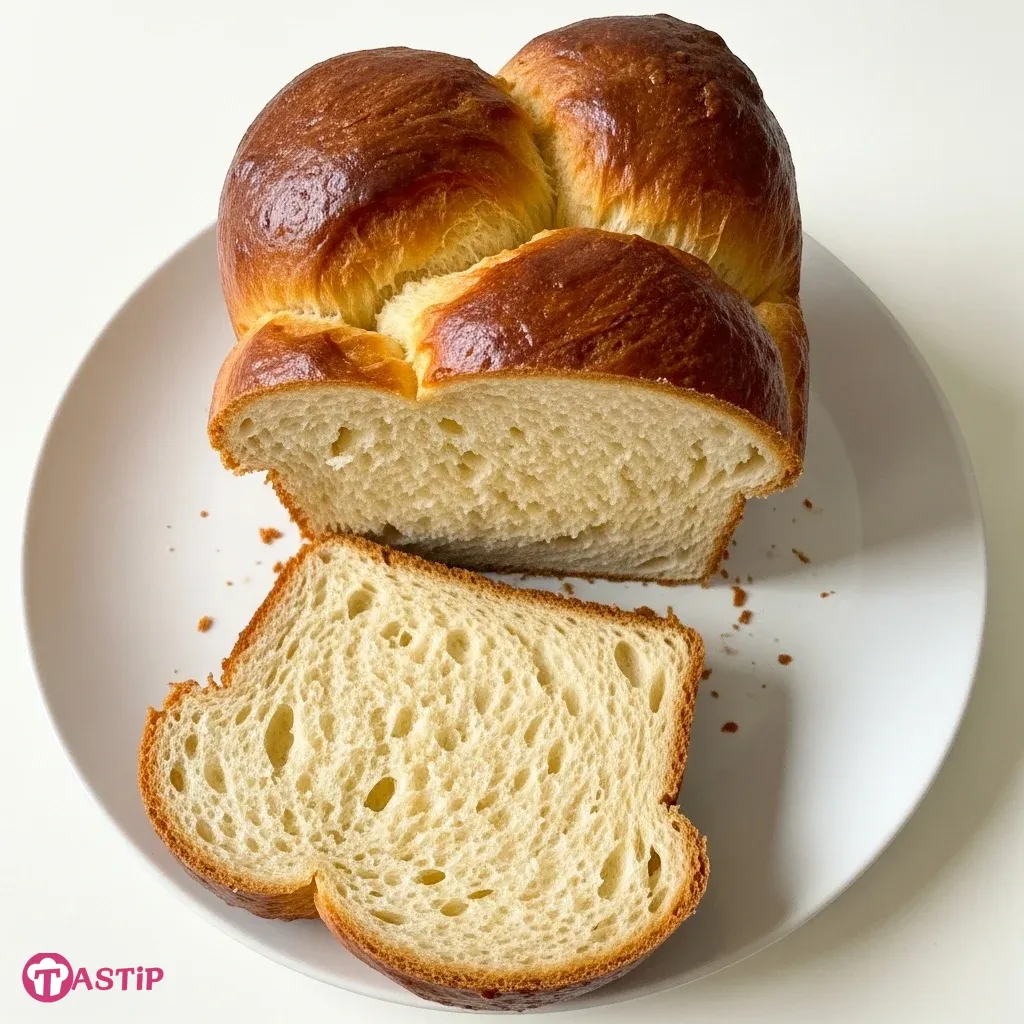
Making Classic Brioche Bread requires a specific balance of fat, protein, and patience. This enriched dough offers a rich, buttery crumb that feels incredibly soft on the palate. Many home bakers feel intimidated by the high fat content, but the science behind the gluten structure makes the process manageable.
You will achieve a golden, pillowy loaf that easily surpasses any commercial bakery offering. This Classic Brioche Bread serves as the perfect foundation for decadent French toast or elevated gourmet sandwiches. Let us dive into the mechanics and chemistry of this French masterpiece together.
Why You’ll Love This Classic Brioche Bread
- The high egg and butter content creates a melt-in-your-mouth texture that lean breads cannot replicate.
- This recipe uses a cold-fermentation technique, which develops complex, nutty flavors over time.
- While indulgent, making it at home allows you to control the quality of fats and avoid synthetic preservatives.
- The versatile dough works perfectly for loaves, dinner rolls, or even sweet cinnamon buns.
Ingredients You’ll Need
Success in baking Classic Brioche Bread starts with ingredient quality. Because this is an enriched dough, every component plays a structural or chemical role. I recommend using a kitchen scale for precision, as volume measurements for flour can vary by up to 20 percent. High-quality ingredients ensure the emulsification process remains stable throughout the mixing phase.
- Bread Flour: Use a flour with 12% to 13% protein content to support the heavy weight of the added fats.
- Instant Yeast: This provides a reliable rise and does not require blooming in liquid first.
- Granulated Sugar: Sugar feeds the yeast and aids in the Maillard reaction for a golden crust.
- Fine Sea Salt: Salt tightens the gluten structure and balances the richness of the butter.
- Whole Milk: The fat and lactose in milk contribute to a tender crumb and softer crust.
- Large Eggs: Eggs provide structure through protein and color through xanthophylls in the yolks.
- Unsalted European-Style Butter: Look for butter with at least 82% butterfat for the best flavor and plasticity.
Substitutions & Variations
While the Classic Brioche Bread is traditionally quite indulgent, you can make specific adjustments for health or dietary preferences without ruining the structural integrity of the loaf. Remember that any change in fat or protein will alter the final crumb, so proceed with scientific curiosity.
- Whole Wheat Swap: Replace up to 25% of the bread flour with white whole wheat flour for added fiber.
- Natural Sweeteners: You can substitute the granulated sugar with honey or maple syrup, though you may need to reduce the milk by a tablespoon.
- Plant-Based Butter: Use a high-quality vegan butter stick with a high fat content to maintain the “short” texture of the crumb.
- Reduced Fat: While I do not recommend removing all butter, you can replace a portion of the butter with Greek yogurt for a tangier, lower-calorie version.
While the Classic Brioche Bread is traditionally quite indulgent, you can make specific adjustments for health or dietary preferences without ruining the structural integrity of the loaf. For a delicious dessert option that balances richness, try this Classic Chocolate Layer Cake with Buttercream Frosting.
Step-by-Step Instructions
- Prepare the Dry Base: In the bowl of a stand mixer, combine your bread flour, instant yeast, sugar, and salt. Whisk these together thoroughly. This ensures the yeast and salt are evenly distributed before the wet ingredients introduce moisture.
- Add the Liquids: Pour in the slightly warmed milk and the room-temperature eggs. Use the dough hook attachment on low speed. Mix until a shaggy, cohesive dough forms and no dry flour remains at the bottom of the bowl.
- The Initial Knead: Increase the mixer speed to medium-low. Knead the dough for about 5 to 8 minutes. During this phase, you are building the primary gluten network. The dough should start to pull away from the sides of the bowl. This is a crucial step for Classic Brioche Bread because the gluten must be strong enough to hold the fat we are about to add.
- The Butter Incorporation: This is the most technical part of the process. With the mixer running, add the softened butter one tablespoon at a time. Wait until each piece is fully incorporated before adding the next. If the dough looks greasy or falls apart, do not panic. Continue mixing, and the emulsion will eventually stabilize.
- The Windowpane Test: Once all the butter is in, knead for another 10 to 15 minutes. The dough should be smooth, shiny, and very elastic. Perform the windowpane test by stretching a small piece of dough. If you can see light through it without it tearing, your Classic Brioche Bread dough is ready.
- First Rise (Bulk Fermentation): Place the dough in a lightly greased bowl. Cover it with plastic wrap and let it rise at room temperature for about one hour until it increases in size by roughly 50%.
- Cold Ferment: Transfer the covered bowl to the refrigerator for at least 6 hours, or ideally overnight. Chilling the dough solidifies the butter, making the Classic Brioche Bread much easier to shape. It also slows down the yeast, allowing for better flavor development through enzymatic activity.
- Shaping the Loaf: Gently turn the cold dough onto a lightly floured surface. Divide it into three or four equal pieces. Roll each piece into a smooth ball or log. Place them side-by-side into a greased 9×5-inch loaf pan.
- Final Proof: Cover the pan and let the dough rise in a warm, draft-free spot. This second rise may take 2 to 3 hours because the dough started cold. The dough should rise about an inch above the rim of the pan.
- Baking: Preheat your oven to 350°F (175°C). Gently brush the top of your Classic Brioche Bread with an egg wash (one egg beaten with a splash of water). Bake for 30 to 35 minutes. The internal temperature should reach 190°F (88°C) on an instant-read thermometer.
- Cooling: Remove the loaf from the pan immediately and let it cool on a wire rack. Cooling in the pan can lead to a soggy bottom due to steam trapped against the metal.
Pro Tips for Success
Mastering Classic Brioche Bread requires an understanding of temperature and mechanical energy. In the test kitchen, we focus on the “Desired Dough Temperature.” If your dough gets too warm during the long mixing process, the butter will melt rather than emulsify. If this happens, your bread will be greasy and heavy rather than light and airy.
- Temperature Control: Use cool milk and room-temperature eggs. If the friction from the mixer makes the dough feel hot, stop the mixer and place the bowl in the fridge for 10 minutes before continuing.
- Butter Consistency: Your butter should be “pliable” but not oily. It should be about 65°F. You want it to be the same consistency as the dough itself.
- Don’t Rush the Mix: The long mixing time is non-negotiable. Classic Brioche Bread relies on a massive amount of mechanical work to develop the gluten proteins in the presence of so much fat.
- The Egg Wash Secret: For a deep, mahogany shine, double-brush the loaf. Brush once before the final proof and once right before the loaf enters the oven.
- Steam in the Oven: Place a small tray of water at the bottom of the oven during the first 10 minutes of baking. This keeps the crust supple, allowing for a better “oven spring.”
Mastering Classic Brioche Bread requires an understanding of temperature and mechanical energy. If you want to enjoy a comforting dessert that showcases fresh ingredients, consider making a Classic Apple Pie.
Storage & Reheating Tips
Because Classic Brioche Bread contains high amounts of fat and sugar, it actually stays fresh longer than a standard baguette or sourdough loaf. However, starch retrogradation—the process where bread goes stale—still occurs. Proper storage is vital to maintaining that delicate crumb structure.
- Room Temperature: Store the cooled loaf in a sealed plastic bag or airtight container for up to 3 days. Keep it away from direct sunlight.
- Freezing: Brioche freezes beautifully. Slice the loaf first, then wrap it tightly in plastic wrap followed by aluminum foil. It will last for up to 3 months.
- Reheating: To restore the “just-baked” texture, toast slices lightly or wrap the whole loaf in foil and heat in a 300°F oven for 10 minutes.
- Stale Bread Hack: If your bread does go dry, do not throw it away. Stale Classic Brioche Bread makes the absolute best bread pudding or French toast because it absorbs liquids without falling apart.
What to Serve With This Recipe
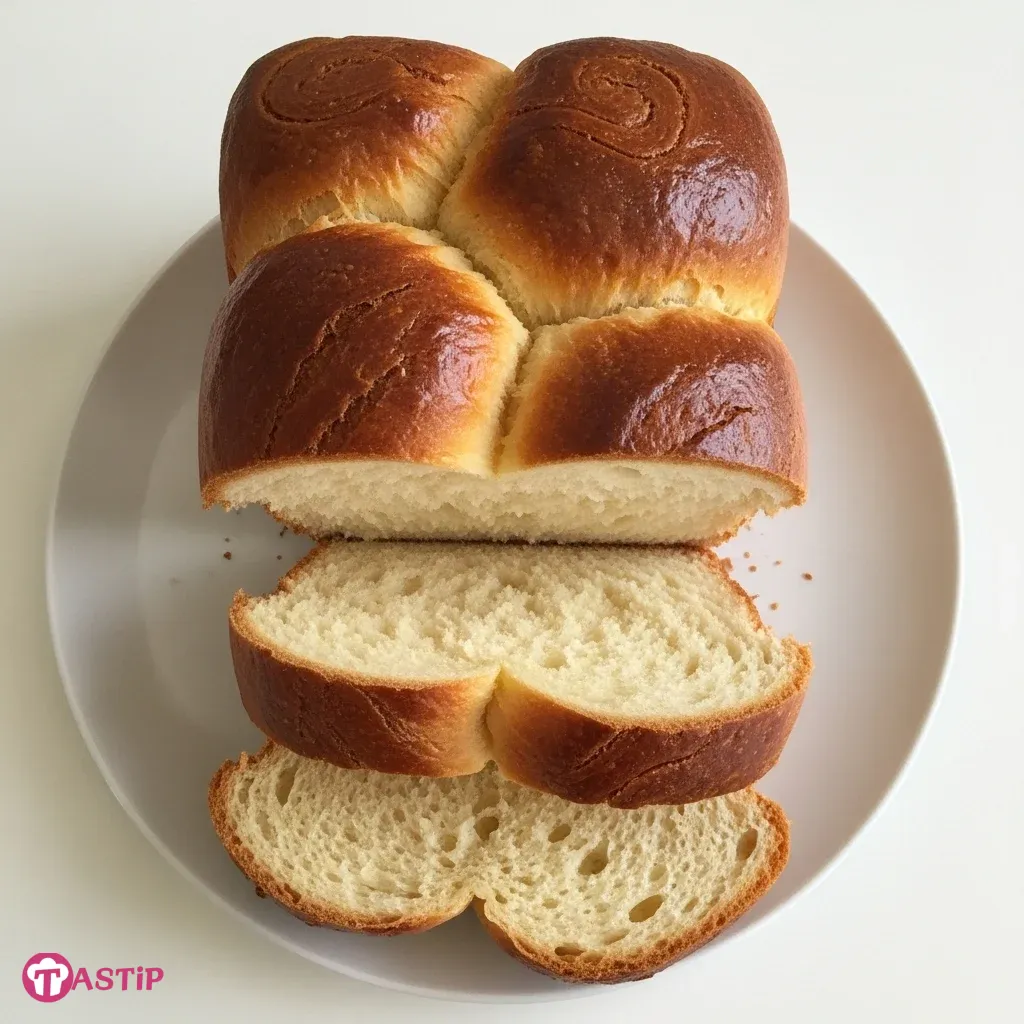
While Classic Brioche Bread is a star on its own, its richness pairs exceptionally well with bright, acidic, or savory components. To keep things balanced and healthy, I recommend serving it alongside nutrient-dense sides that cut through the buttery profile of the bread.
- Garden Fresh Salad: A simple arugula salad with lemon vinaigrette and shaved radishes provides a sharp contrast to the bread’s sweetness.
- Roasted Root Vegetables: Serve a thick slice of toasted brioche with a side of roasted carrots and parsnips seasoned with fresh thyme.
- Avocado and Poached Egg: Use the bread as a base for avocado toast. The healthy fats in the avocado complement the Classic Brioche Bread perfectly.
- Light Vegetable Soup: A tomato-basil soup or a clear minestrone benefits from a side of brioche for dipping.
While Classic Brioche Bread is a star on its own, its richness pairs exceptionally well with bright, acidic, or savory components. To complement your baking, serve it alongside a delightful Classic Fruit Tart.
FAQs
Why did my brioche dough not rise?
The most common culprit is either dead yeast or temperature. Because Classic Brioche Bread is so heavy with fat and sugar, it is “osmotic stress” for the yeast. If your liquids were too hot (above 115°F), you may have killed the yeast.
Conversely, if your kitchen is too cold, the butter in the dough stays firm, physically preventing the yeast from expanding the dough. Patience is key; enriched doughs always take longer to rise than lean doughs.
Can I make this dough by hand without a mixer?
Technically, yes, but it is an Olympic-level workout. Incorporating that much butter into a gluten network by hand requires roughly 30 to 45 minutes of vigorous slapping and folding. Most bakers prefer a stand mixer because it maintains a consistent speed and provides the necessary mechanical force to emulsify the fats effectively into the Classic Brioche Bread matrix.
Why is my brioche crust too dark or burnt?
Classic Brioche Bread contains a high amount of sugar and protein (from the eggs and milk). These ingredients undergo the Maillard reaction and caramelization much faster than standard bread dough. If you notice the loaf browning too quickly, loosely tent it with aluminum foil after the first 15 minutes of baking. This reflects the radiant heat while allowing the interior to finish cooking.
Classic Brioche Bread is a rich, buttery loaf that is a staple of French baking, known for its soft texture and versatility. This delightful bread can be used for various purposes, including making gourmet sandwiches or as a luxurious base for French toast—a true testament to the art of baking.
Nutrition Information (per serving)
This information represents one slice of Classic Brioche Bread, assuming the loaf is cut into 12 equal portions. Note that values may vary based on the specific brands of butter and flour used.
| Nutrient | Amount per Serving |
| Calories | 210 kcal |
| Total Fat | 11g |
| Saturated Fat | 7g |
| Cholesterol | 55mg |
| Sodium | 180mg |
| Total Carbohydrates | 24g |
| Dietary Fiber | 1g |
| Sugars | 4g |
| Protein | 5g |
Classic Brioche Bread
- Total Time: 55 mins
- Yield: 12 servings 1x
- Diet: Not Gluten Free
Description
Classic Brioche Bread is an enriched dough that offers a rich, buttery crumb, ideal for French toast or gourmet sandwiches. Its soft texture and indulgent flavor surpass any commercial bakery offering.
Ingredients
500 grams Bread Flour
10 grams Instant Yeast
50 grams Granulated Sugar
8 grams Fine Sea Salt
240 ml Whole Milk
4 Large Eggs
170 grams Unsalted European-Style Butter
Instructions
- Prepare the Dry Base: Combine bread flour, instant yeast, sugar, and salt in a stand mixer
- Add the Liquids: Pour in warm milk and room-temperature eggs; mix until a shaggy dough forms
- Initial Knead: Knead for 5 to 8 minutes until the dough pulls away from the bowl
- Butter Incorporation: Add softened butter one tablespoon at a time, mixing until fully incorporated
- Windowpane Test: Knead for another 10 to 15 minutes until smooth and elastic
- First Rise: Place dough in a greased bowl, cover, and let rise for about 1 hour
- Cold Ferment: Refrigerate for at least 6 hours or overnight
- Shaping the Loaf: Divide and shape the cold dough; place into a greased loaf pa
- Final Proof: Let rise for 2 to 3 hours until it rises above the rim
- Baking: Preheat oven to 350°F (175°C), brush with egg wash, and bake for 30 to 35 minutes until golde
Notes
Use cool milk and room-temperature eggs for best results.
Butter should be pliable but not oily, around 65°F.
- Prep Time: 20 mins
- Cook Time: 35 mins
- Category: Bread
- Method: Baking
- Cuisine: French
Nutrition
- Serving Size: 1 slice
- Calories: 210 kcal
- Sugar: 4g
- Sodium: 180mg
- Fat: 11g
- Saturated Fat: 7g
- Unsaturated Fat: 4g
- Trans Fat: 0g
- Carbohydrates: 24g
- Fiber: 1g
- Protein: 5g
- Cholesterol: 55mg