
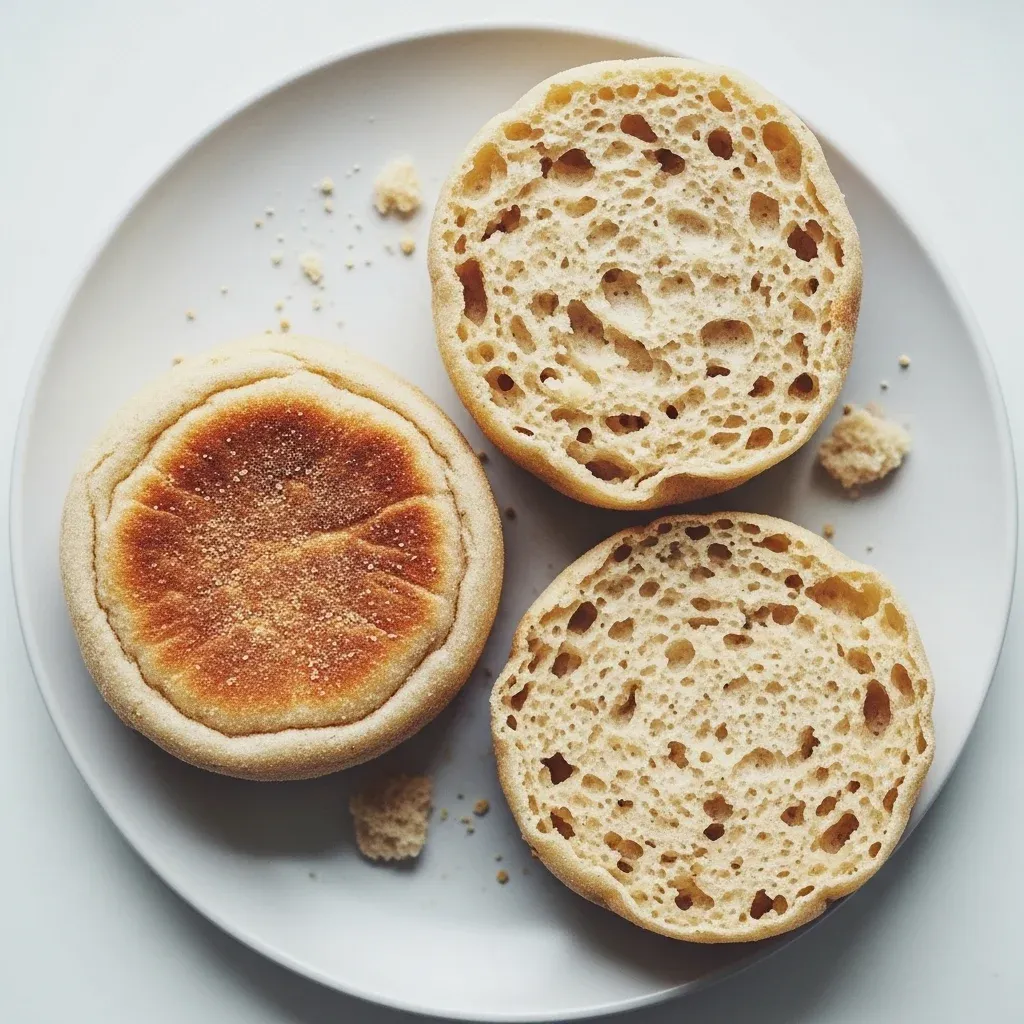
There is something utterly romantic about the smell of toasted dough wafting through a crisp morning air, a scent that reminds me of the bustling morning markets I frequented in London. Mastering the art of Homemade English Muffins brings that global bakery experience right into your own kitchen with surprising ease. These are not your average store-bought bread discs; they are pillowy, chewy, and riddled with those iconic nooks and crannies that hold pools of melted butter.
You will find that the gentle tang of the fermented dough pairs perfectly with any topping, whether sweet or savory. Creating Homemade English Muffins from scratch allows you to control the quality of every single ingredient, ensuring a wholesome breakfast for your family. This recipe delivers an authentic texture that honors the traditional griddle-baked method I encountered during my many culinary travels.
Why You’ll Love This Homemade English Muffins Recipe
- Unmatched Texture: These Homemade English Muffins feature a signature honeycomb interior that captures every drop of jam or honey.
- Preservative-Free: You skip the industrial additives found in commercial brands, focusing instead on pure, simple ingredients.
- Versatile Flavor: The subtle fermentation provides a complex, artisanal taste that elevates a standard breakfast to a gourmet event.
- Griddle-Baked Gold: Cooking them on a stovetop creates a unique, toasted crust that an oven simply cannot replicate.
Ingredients You’ll Need
Every great dish begins with the caliber of its components. When I prepare Homemade English Muffins, I source the finest bread flour to ensure a strong structural rise. High-protein flour creates that chewy bite we all crave.
I also recommend using organic whole milk and high-fat European-style butter to add a rich, creamy undertone to the dough. The cornmeal is not just a garnish; it provides the essential crunch and prevents the dough from sticking to your griddle. Here is exactly what you need to gather for this gastronomic project.
| Ingredient | Amount | Purpose |
| Bread Flour | 3.5 Cups | Provides structure and chewiness. |
| Warm Milk | 1 Cup | Hydrates the dough and adds richness. |
| Active Dry Yeast | 2.25 tsp | The leavening agent for a light rise. |
| Honey or Sugar | 1 tbsp | Feeds the yeast and aids browning. |
| Unsalted Butter | 2 tbsp (melted) | Softens the crumb for a tender bite. |
| Fine Sea Salt | 1 tsp | Enhances the overall flavor profile. |
| Large Egg | 1 Unit | Adds protein and helps with the rise. |
| Cornmeal | 0.25 Cup | For dusting and classic exterior texture. |
Substitutions & Variations
Adventures in the kitchen often require a bit of flexibility, and Homemade English Muffins are surprisingly adaptable to your dietary needs. If you prefer a heartier, more rustic version, you can substitute half of the bread flour with whole wheat flour. This swap increases the fiber content and adds a nutty depth to the flavor.
For those avoiding dairy, replace the whole milk with unsweetened almond or oat milk, and use a high-quality vegan butter or coconut oil. To lower the glycemic index, swap the sugar for a bit of maple syrup or even agave nectar.
These healthy swaps maintain the integrity of the Homemade English Muffins while catering to modern wellness goals. Always remember that a slightly wetter dough often yields larger “nooks,” so do not be afraid if the mixture feels a bit tacky during the process.
If you’re exploring how to adapt your Homemade English Muffins for different dietary preferences, consider trying out a rich and buttery Homemade Brioche instead. This alternative not only brings a delightful twist to your breakfast but also complements a variety of spreads perfectly. Check out the recipe here.
Step-by-Step Instructions
- Activate the Yeast: Begin by warming your milk to approximately 110°F. In a large bowl, combine the warm milk with your honey and sprinkle the active dry yeast on top. Let it sit for about five to ten minutes until it becomes frothy and aromatic. This step ensures your Homemade English Muffins will rise beautifully.
- Mix the Liquid Base: Whisk the melted butter and the egg into the yeast mixture. Ensure the butter is not too hot, as high heat can kill the yeast. This liquid gold serves as the foundation for your dough.
- Incorporate the Dry Ingredients: Gradually add two cups of bread flour and the sea salt to the liquid. Stir with a sturdy wooden spoon until a shaggy mass forms. Add the remaining flour half a cup at a time. The dough should be soft and slightly sticky, which is the secret to a light interior.
- The Kneading Process: Turn the dough onto a lightly floured surface. Knead it for about five to seven minutes. You are looking for a smooth, elastic texture. If you have a stand mixer, use the dough hook on low speed for about five minutes. Proper kneading develops the gluten necessary for Homemade English Muffins to hold those air pockets.
- The First Rise: Place the dough in a lightly greased bowl and cover it with a damp cloth. Find a warm, draft-free spot in your kitchen. Let the dough double in size, which usually takes about sixty to ninety minutes. Patience here translates to flavor.
- Shaping the Muffins: Gently punch down the risen dough to release excess air. Roll it out on a floured surface to a thickness of about one inch. Use a round cutter or a wide-mouth glass to cut out circles. Dip each side of the circles into a plate of cornmeal.
- The Second Rise: Arrange the circles on a baking sheet lined with parchment paper. Cover them again and let them rest for another thirty to forty-five minutes. This second proofing creates the airy lift that defines Homemade English Muffins.
- Griddle Cooking: Heat a heavy cast-iron skillet or a flat griddle over medium-low heat. Do not use oil. Place the muffins on the griddle and cook for about seven to ten minutes per side. You want a deep golden-brown crust and an internal temperature of roughly 200°F.
- Cooling: Transfer the finished Homemade English Muffins to a wire rack. It is vital to let them cool completely before splitting them open. Cooling allows the internal structure to set properly.
Pro Tips for Success
Achieving the perfect Homemade English Muffins requires a few technical secrets I have gathered from professional bakers across Europe. First and foremost, never use a knife to slice your muffins. Always use a fork to “dock” or prick the edges all the way around before pulling the halves apart.
This technique preserves the internal peaks and valleys, whereas a knife flattens them. Secondly, maintain a low heat on your griddle. If the heat is too high, the outside will burn before the inside finishes cooking.
I often use a lid over the skillet for the first few minutes to trap steam, which helps the muffins rise even higher. Lastly, if you find your dough is too difficult to handle, chill it in the refrigerator for thirty minutes before shaping. Cold dough is much easier to cut into perfect rounds for your Homemade English Muffins.
For those mastering the techniques needed for Homemade English Muffins, it’s invaluable to understand the art of preparation found in other recipes like Homemade Apple Cider. This flavorful beverage pairs delightfully with your muffins and can serve as a refreshing option for your brunch table. Learn how to make it here.
Storage & Reheating Tips
Proper storage ensures your Homemade English Muffins stay as delicious as the moment they left the griddle. Once completely cool, store them in an airtight container or a zip-top bag at room temperature for up to three days. For longer storage, these muffins freeze exceptionally well.
I recommend fork-splitting them before freezing so you can toast them directly from the freezer. Simply wrap each muffin in plastic wrap and place them in a freezer-safe bag for up to three months. When you are ready for a quick breakfast, pop a frozen half into the toaster. The high heat of the toaster revitalizes the Homemade English Muffins, crisping the edges while keeping the center soft and chewy.
What to Serve With This Recipe
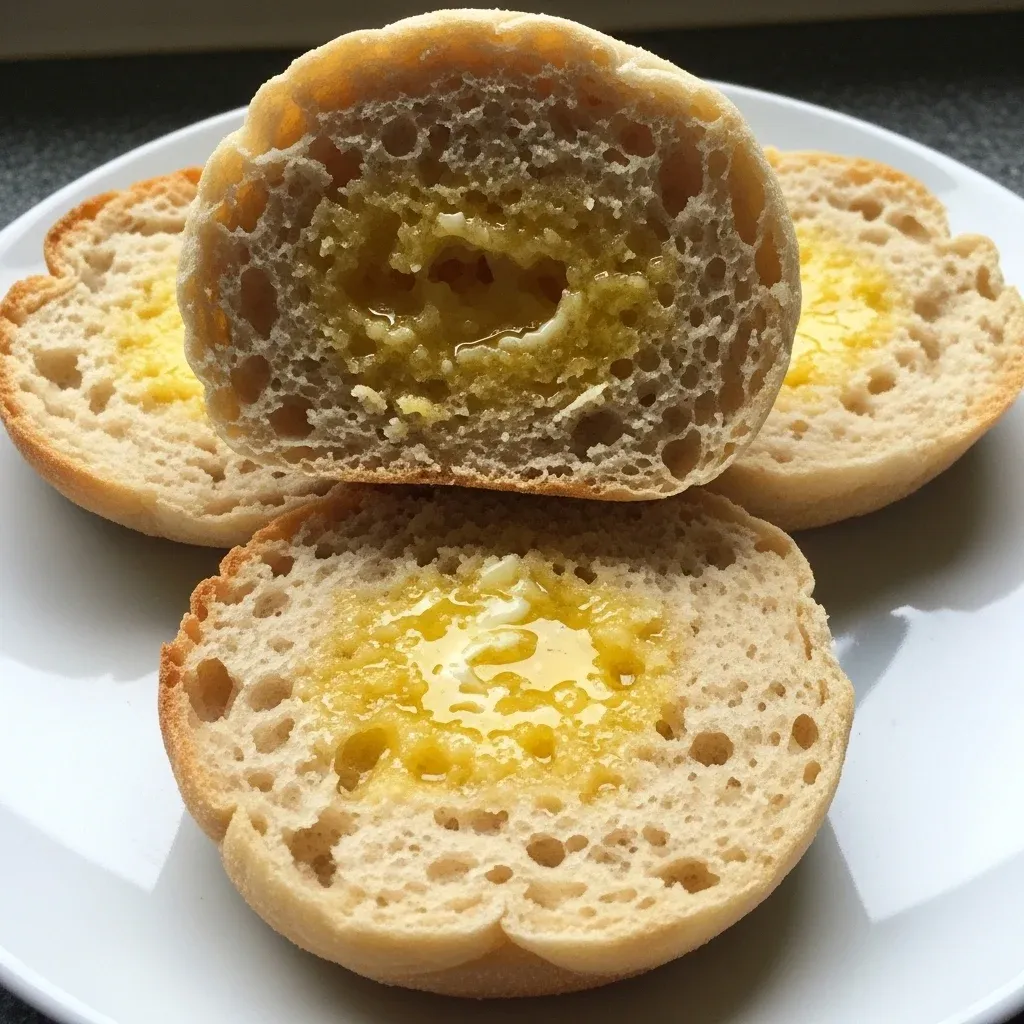
The beauty of Homemade English Muffins lies in their versatility. While they are iconic as the base for Eggs Benedict with a rich hollandaise sauce, I love pairing them with fresh, vibrant sides to balance the density of the bread. Consider serving them alongside a crisp arugula salad tossed with lemon vinaigrette and shaved parmesan.
For a more substantial brunch, roasted seasonal vegetables like asparagus or bell peppers provide a wonderful contrast in texture. If you are leaning toward a savory lunch, use your Homemade English Muffins as a base for an avocado toast topped with microgreens and a sprinkle of chili flakes.
They also pair beautifully with a bowl of homemade tomato basil soup, acting as the perfect vessel for dipping. No matter how you serve them, these muffins bring an artisanal touch to any meal.
The versatility of Homemade English Muffins shines through when paired with comforting dishes like Homemade Chicken Noodle Soup. This classic soup not only warms the soul but also complements the density of the muffins for a complete meal experience. Discover the recipe here.
FAQs
How do I get more nooks and crannies in my muffins?
The secret to those famous holes is a high-hydration dough and gentle handling. A wetter dough creates more steam during the cooking process, which pushes the dough apart to form pockets. Additionally, always use a fork to split your Homemade English Muffins instead of a knife, as the fork highlights the natural texture inside.
Can I make the dough ahead of time?
Absolutely. You can prepare the dough for Homemade English Muffins and let it rise in the refrigerator overnight. This cold fermentation actually develops a much deeper, more complex flavor. Just let the dough come to room temperature for about thirty minutes before shaping and proceeding with the second rise.
Why are my English muffins raw in the middle?
This usually happens if the griddle temperature is too high. The exterior browns too quickly, leaving the center doughy. Use a low to medium-low setting and aim for a longer cook time. If they are browning too fast, you can finish them in a 350°F oven for five minutes to ensure they are fully cooked through.
Homemade English muffins are a delightful baked good that brings a touch of artisanal charm to any breakfast table. The unique preparation method involves cooking the dough on a griddle, leading to their characteristic texture and flavor, which can also be explored further through this bread link.
Nutrition Information (per serving)
Knowing the nutritional breakdown helps you integrate Homemade English Muffins into a balanced diet. Each muffin provides a good source of complex carbohydrates for sustained energy throughout your morning adventures.
| Metric | Value |
| Calories | 180 kcal |
| Total Fat | 3g |
| Saturated Fat | 1.5g |
| Cholesterol | 25mg |
| Sodium | 210mg |
| Total Carbohydrates | 32g |
| Dietary Fiber | 1.5g |
| Sugars | 2g |
| Protein | 6g |
Homemade English Muffins
- Total Time: 1 hr 30 mins
- Yield: 12 muffins 1x
- Diet: Vegetarian
Description
Homemade English Muffins are pillowy, chewy, and perfect for any topping, featuring a unique texture due to the traditional griddle-baked method.
Ingredients
3.5 cups Bread Flour
1 cup Warm Milk
2.25 tsp Active Dry Yeast
1 tbsp Honey or Sugar
2 tbsp Unsalted Butter (melted)
1 tsp Fine Sea Salt
1 Large Egg
0.25 cup Cornmeal
Instructions
- Activate the Yeast: Combine warm milk, honey, and active dry yeast in a bowl and let sit until frothy
- Mix the Liquid Base: Whisk melted butter and egg into the yeast mixture
- Incorporate the Dry Ingredients: Gradually add bread flour and salt, stirring until a shaggy mass forms
- The Kneading Process: Knead the dough on a floured surface until smooth and elastic
- The First Rise: Place the dough in a greased bowl, cover, and let double in size in a warm place
- Shaping the Muffins: Punch down dough, roll out, and cut circles, dusting with cornmeal
- The Second Rise: Arrange on a baking sheet, cover, and let rise agai
- Griddle Cooking: Heat a skillet, then cook muffins for 7-10 minutes per side
- Cooling: Let muffins cool completely on a wire rack
Notes
Use a fork to split muffins for better texture.
Maintain low heat on the griddle for even cooking.
- Prep Time: 20 mins
- Cook Time: 20 mins
- Category: Breakfast
- Method: Griddle cooking
- Cuisine: American
Nutrition
- Serving Size: 1 muffin
- Calories: 180 kcal
- Sugar: 2 g
- Sodium: 210 mg
- Fat: 3 g
- Saturated Fat: 1.5 g
- Unsaturated Fat: 1.5 g
- Trans Fat: 0 g
- Carbohydrates: 32 g
- Fiber: 1.5 g
- Protein: 6 g
- Cholesterol: 25 mg