
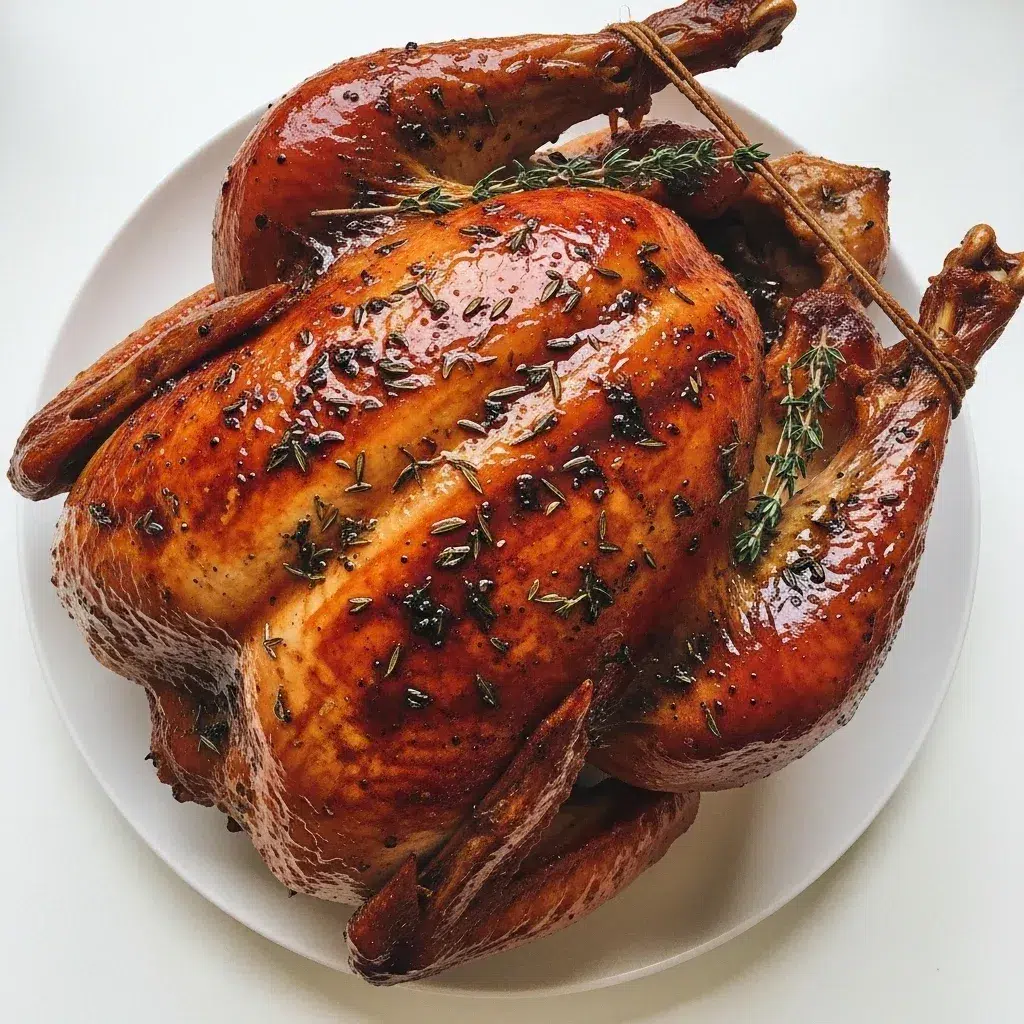
Achieving the perfect Honey Glazed Roast Turkey requires a balance of thermal precision and specific chemical reactions. This recipe delivers a bird with crackling, mahogany skin and remarkably succulent meat. By understanding how the fructose in honey caramelizes, you can create a depth of flavor that simple salt and pepper cannot match.
Most home cooks fear a dry turkey, but this method ensures a juicy result every single time. Prepare yourself for a centerpiece that tastes as impressive as it looks. Let us dive into the science of the ultimate Honey Glazed Roast Turkey.
Why You’ll Love This Honey Glazed Roast Turkey
- Unmatched Flavor Profile: The floral sweetness of honey interacts with savory herbs to create a complex, multi-dimensional palate.
- Superior Moisture Retention: Our specific roasting technique preserves the cellular integrity of the meat, preventing the dreaded “holiday dryness.”
- Scientific Precision: This Honey Glazed Roast Turkey utilizes the Maillard reaction to its fullest potential, ensuring a perfectly browned exterior.
- Nutrient Dense: By using high-quality poultry and natural sweeteners, you provide your guests with lean protein and essential minerals.
Ingredients You’ll Need
Success in the kitchen starts with high-quality reagents. For this Honey Glazed Roast Turkey, select a fresh, never-frozen bird if possible. Frozen turkeys often suffer from cellular damage due to ice crystal formation, which leads to moisture loss during the thaw. If you must use frozen, thaw it slowly in the refrigerator to maintain the protein structure.
| Ingredient | Quantity | Purpose |
|---|---|---|
| Whole Turkey | 12-14 lbs | Main Protein |
| Wildflower Honey | 1/2 Cup | Glaze Base & Caramelization |
| Unsalted Butter | 1/2 Cup | Lipid-based heat conductor |
| Kosher Salt | 3 Tablespoons | Protein denaturant |
| Fresh Sage | 1 Bunch | Aromatic depth |
| Fresh Rosemary | 3 Sprigs | Piney, earthy notes |
| Garlic Bulbs | 2 Heads | Allicin-based pungency |
| Black Pepper | 1 Tablespoon | Piperine for mild heat |
Substitutions & Variations
While the classic Honey Glazed Roast Turkey is a masterpiece, you can modify certain elements for dietary needs or flavor preferences. If you want to lower the glycemic index slightly, you could substitute the honey with organic maple syrup. Maple syrup contains different sugar structures but still offers excellent caramelization properties.
For a dairy-free version, replace the butter with high-smoke-point avocado oil. Avocado oil lacks the milk solids that aid in browning, but it provides a clean flavor and healthy fats. You may also experiment with different aromatics; replacing sage with lemon thyme provides a bright, citrusy lift to the dense protein of the bird. Regardless of your choice, ensure you maintain the ratio of lipids to sugars to achieve that signature Honey Glazed Roast Turkey finish.
While the classic Honey Glazed Roast Turkey is a masterpiece, you can modify certain elements for dietary needs or flavor preferences. Consider enjoying a glass of Fresh Ginger Honey Tea alongside your turkey for a refreshing complement.
Step-by-Step Instructions
Follow these steps carefully to master the Honey Glazed Roast Turkey. Precision is your best friend when dealing with large-format poultry.
- Prepare the Bird: Remove the turkey from the refrigerator two hours before cooking. Allowing the meat to approach room temperature ensures more even heat penetration during the initial roasting phase. Pat the skin completely dry with paper towels. Moisture is the enemy of the Maillard reaction; if the skin is wet, it will steam rather than crisp.
- The Dry Brine: Generously rub kosher salt over the skin and inside the cavity. Salt denatures the proteins, allowing the muscle fibers to retain more water during the cooking process. Let the turkey sit for at least 45 minutes after salting.
- Aromatic Infusion: Stuff the cavity with halved garlic heads, sage, and rosemary. These aromatics will release volatile oils as the internal temperature rises, flavoring the meat from the inside out.
- Initial Roast: Preheat your oven to 425°F (218°C). Rub the turkey with softened butter. Place the turkey in a heavy roasting pan. Roast at this high temperature for 20 minutes to jumpstart the browning process.
- Temperature Reduction: Lower the oven temperature to 325°F (163°C). This slower phase allows the internal temperature to rise without burning the exterior. This is critical for a perfect Honey Glazed Roast Turkey.
- Prepare the Glaze: While the turkey roasts, whisk together the honey and a tablespoon of melted butter. If the honey is too viscous, warm it slightly to increase its fluidity.
- The Glazing Phase: Once the internal temperature of the breast reaches 150°F (65°C), brush the honey mixture over the entire surface. Do not do this too early, as the high sugar content in honey will burn if exposed to heat for too long.
- Final Pull: Remove the Honey Glazed Roast Turkey from the oven when the thickest part of the breast reaches 160°F (71°C). Carry-over cooking will bring it to the food-safe temperature of 165°F (74°C) while it rests.
- The Rest: Let the turkey rest for at least 30 to 45 minutes. This allows the muscle fibers to relax and reabsorb the juices. If you carve too early, the moisture will end up on your cutting board instead of in the meat.
Pro Tips for Success
To truly elevate your Honey Glazed Roast Turkey, you must think like a scientist. First, use a high-quality digital probe thermometer. Dial thermometers are notoriously inaccurate and can lead to overcooking. Place the probe in the deepest part of the breast, making sure it does not touch the bone, which conducts heat differently than muscle tissue.
Second, consider the “V-rack” in your roasting pan. Elevating the bird allows hot air to circulate underneath, ensuring the dark meat in the thighs cooks at a rate closer to the white meat in the breast. Furthermore, if you notice the wing tips browning too quickly, wrap them in small pieces of aluminum foil to reflect the radiant heat. This technique, known as “shielding,” protects the delicate extremities of your Honey Glazed Roast Turkey while the core finishes cooking.
Lastly, pay attention to the honey you choose. Darker honeys, such as buckwheat, contain more antioxidants and a stronger flavor profile. Lighter honeys, like clover or orange blossom, provide a more subtle sweetness. For the best Honey Glazed Roast Turkey, I recommend a medium-amber wildflower honey for a balanced, floral finish.
To truly elevate your Honey Glazed Roast Turkey, you must think like a scientist. Ensure your meal is perfectly rounded out by pairing it with Sourdough Honey Pistachio Cookies for a delightful finish.
Storage & Reheating Tips
Proper storage is essential to maintain the texture of your Honey Glazed Roast Turkey. Carve the remaining meat off the bone before refrigerating. This prevents the bones from absorbing the meat’s moisture.
Store the slices in an airtight container for up to four days. To reheat, avoid the microwave, which can turn the protein rubbery through uneven molecular agitation. Instead, place the turkey in a shallow baking dish with a splash of chicken stock, cover it with foil, and warm it in a 300°F (150°C) oven until just heated through.
What to Serve With This Recipe
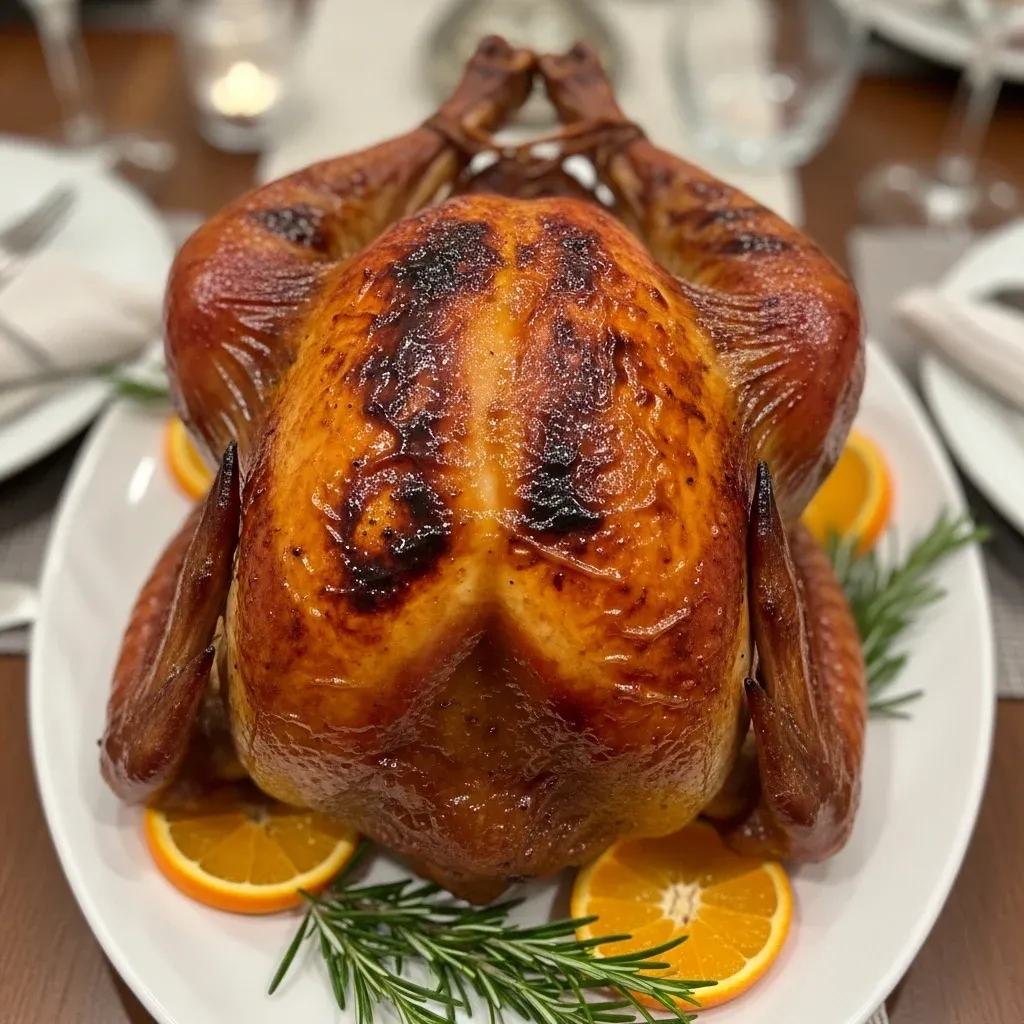
A Honey Glazed Roast Turkey demands side dishes that provide a textural and acidic contrast. Because the glaze is sweet and the meat is rich, I suggest serving a crisp arugula salad with a lemon vinaigrette. The acidity of the lemon cuts through the lipids and sugars perfectly.
Additionally, roasted root vegetables like carrots and parsnips complement the honey profile. For a green option, consider blanched green beans tossed with toasted almonds. The crunch of the nuts provides a lovely counterpoint to the tender meat of the Honey Glazed Roast Turkey. Avoid overly sweet sides, as you want the turkey’s glaze to remain the star of the show.
A Honey Glazed Roast Turkey demands side dishes that provide a textural and acidic contrast. You can enhance the meal with Honey Mustard Chicken Breast as a complementary option.
FAQs
Why does the honey glaze go on at the end?
Honey consists primarily of fructose and glucose. These sugars have a low burning point. If you apply the glaze at the start of the roasting process, the sugars will undergo pyrolysis (burning) long before the turkey reaches a safe internal temperature. Applying it in the final 30 minutes ensures a beautiful Honey Glazed Roast Turkey without any bitter, burnt flavors.
Should I baste my turkey every thirty minutes?
Actually, no. Every time you open the oven door, you lose significant ambient heat and moisture. This fluctuates the temperature and increases the cooking time, which can dry out the meat.
The fat in the butter rub and the eventual glaze provide enough moisture for a Honey Glazed Roast Turkey. Trust the process and keep the door closed as much as possible.
Can I make a Honey Glazed Roast Turkey with a frozen bird?
Yes, you can, but you must thaw it completely first. The safest method is the refrigerator method, which takes approximately 24 hours for every five pounds of turkey. If the core is still frozen when you start roasting, the exterior will overcook while the interior remains dangerously raw. For the best Honey Glazed Roast Turkey results, always ensure a full thaw and a period of temperature tempering on the counter.
This popular dish features a beautifully caramelized exterior and juicy interior, ideal for festive occasions. Learn more about how the Maillard reaction contributes to its delicious flavor and appealing appearance in the context of roasting techniques.
Nutrition Information (per serving)
This nutritional profile represents a standard 6-ounce serving of Honey Glazed Roast Turkey, including a mix of white and dark meat with a portion of the glazed skin.
| Metric | Amount |
|---|---|
| Calories | 340 kcal |
| Protein | 42g |
| Total Fat | 14g |
| Saturated Fat | 6g |
| Carbohydrates | 8g |
| Sugars | 7g |
| Sodium | 480mg |
By following these scientifically-backed steps, you will produce a Honey Glazed Roast Turkey that stands as a testament to your culinary skill. Remember, cooking is simply chemistry that you get to eat. Enjoy the process and the delicious results!
Print
Honey Glazed Roast Turkey
- Total Time: 4 hours
- Yield: 12 servings 1x
- Diet: Gluten Free
Description
This Honey Glazed Roast Turkey features a floral sweetness from honey that complements savory herbs, resulting in unmatched flavor and superior moisture retention. Perfectly roasted with a caramelized exterior, it offers a delectable, festive main dish.
Ingredients
12–14 lbs Whole Turkey
1/2 cup Wildflower Honey
1/2 cup Unsalted Butter
3 tablespoons Kosher Salt
1 bunch Fresh Sage
3 sprigs Fresh Rosemary
2 heads Garlic
1 tablespoon Black Pepper
Instructions
- Remove the turkey from the refrigerator two hours before cooking and pat the skin dry
- Rub kosher salt over the skin and inside the cavity, and let it sit for at least 45 minutes
- Stuff the cavity with halved garlic heads, sage, and rosemary
- Preheat your oven to 425°F (218°C) and rub the turkey with softened butter. Roast at this temperature for 20 minutes
- Lower the oven temperature to 325°F (163°C) and continue roasting until the breast reaches 160°F (71°C)
- While roasting, whisk together honey and a tablespoon of melted butter to prepare the glaze
- Once the turkey reaches the desired internal temperature, brush the honey mixture over the surface
- Remove the turkey from the oven and let it rest for 30 to 45 minutes before carving
Notes
A digital probe thermometer is recommended for accurate temperature readings.
Consider using a 'V-rack' to elevate the turkey for even cooking.
- Prep Time: 2 hours
- Cook Time: 2 hours
- Category: Dinner
- Method: Baking
- Cuisine: American
Nutrition
- Serving Size: 6 oz
- Calories: 340 kcal
- Sugar: 7g
- Sodium: 480mg
- Fat: 14g
- Saturated Fat: 6g
- Unsaturated Fat: N/A
- Trans Fat: N/A
- Carbohydrates: 8g
- Fiber: N/A
- Protein: 42g
- Cholesterol: N/A