
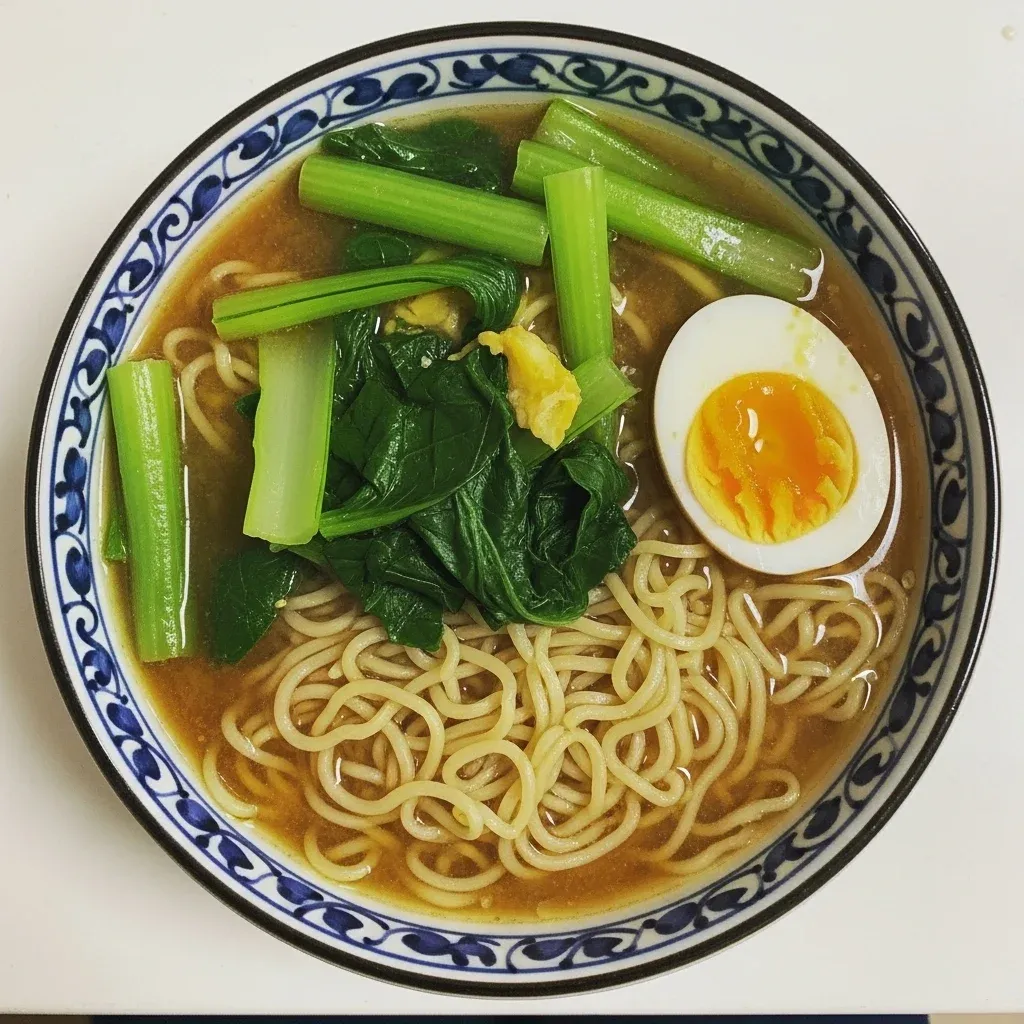
Craving a steaming bowl of Miso Ramen but don’t have hours to simmer broth? This recipe delivers that rich, umami-packed flavor in just 30 minutes. You get silky noodles, a savory broth, and fresh toppings without the stress of traditional Japanese cooking methods.
My version prioritizes speed and depth of flavor by using smart pantry staples. It is the perfect cozy weeknight dinner for anyone juggling a hectic schedule. Let’s get this restaurant-quality meal on your table right now. You deserve a bowl that tastes like it took all day to prepare.
Why You’ll Love This Miso Ramen Recipe
- Lightning Fast: You can skip the two-day broth process and achieve a complex flavor profile in under half an hour.
- Pantry-Friendly: Most ingredients are likely already in your kitchen or available at any local grocery store.
- Highly Customizable: This Miso Ramen acts as a canvas for whatever proteins or vegetables you have in the fridge.
- Health-Conscious: By making it at home, you control the sodium levels and add plenty of fresh, nutrient-dense greens.
- One-Pot Base: We minimize cleanup by building the flavor base and the broth in a single pot.
Ingredients You’ll Need
To make a truly spectacular Miso Ramen, you need quality components. The star of the show is the miso paste. I recommend using White Miso (Shiro Miso) for a milder, sweeter flavor, or Red Miso (Aka Miso) for a deeper, saltier punch.
| Ingredient Category | Items Needed | Quantity |
|---|---|---|
| Noodles | Fresh or dried Ramen noodles (discard the flavor packet) | 2 bundles (approx. 6-8 oz) |
| Aromatics | Fresh ginger (grated) and garlic (minced) | 1 tbsp ginger, 3 cloves garlic |
| Broth Base | Low-sodium chicken or vegetable broth | 4 cups |
| The Miso | White or Awase (mixed) Miso paste | 3-4 tablespoons |
| Flavor Enhancers | Sesame oil, soy sauce, and a pinch of sugar | 1 tbsp oil, 1 tsp soy sauce |
| Proteins | Soft-boiled eggs, tofu, or sliced pork/chicken | As desired |
| Vegetables | Baby bok choy, corn kernels, and green onions | 2 cups total |
Substitutions & Variations
I believe in flexibility. If you are out of a specific ingredient, do not let that stop you from enjoying Miso Ramen tonight. You can easily adapt this recipe to fit your dietary needs or what you have on hand.
- The Protein: If you want a plant-based version, use firm tofu or edamame instead of eggs or pork. For meat-eaters, leftover rotisserie chicken works beautifully and saves time.
- The Noodles: While traditional wheat noodles are classic, you can use rice noodles for a gluten-free alternative. In a pinch, even whole-wheat spaghetti works, though the texture will differ.
- Low-Carb Options: Swap the noodles for zucchini noodles (zoodles) or shirataki noodles to keep the calorie count low while still enjoying the Miso Ramen broth.
- Vegetable Swaps: If bok choy isn’t available, use spinach, kale, or shredded cabbage. Each provides a great crunch and absorbs the broth wonderfully.
- Broth Alternatives: Beef broth creates a much heavier, richer soup, while dashi (Japanese kelp and bonito stock) provides the most authentic flavor if you have it.
If you’re looking for a plant-based alternative to enhance your Miso Ramen, consider checking out our delicious Vegetable Miso Ramen recipe. This adaptable dish allows you to use whatever fresh ingredients you have, making it easy to customize to your taste.
Step-by-Step Instructions
Efficiency is the key to mastering 30-minute meals. Follow these steps to ensure your Miso Ramen is perfect every single time.
- Sauté the Aromatics: Heat the sesame oil in a large pot over medium heat. Add the minced garlic and grated ginger. Stir constantly for about 1 minute until they smell fragrant but do not let them brown.
- Build the Broth: Pour the chicken or vegetable broth into the pot. Add the soy sauce and a tiny pinch of sugar. Bring the mixture to a gentle simmer. Do not let it boil vigorously, as high heat can dull the flavor of the aromatics.
- Prepare the Miso: This is the most critical step for Miso Ramen. Take a small bowl and ladle out about half a cup of the warm broth. Add your miso paste to this bowl and whisk it until it is completely smooth. Pour this slurry back into the main pot. This technique prevents unappetizing miso clumps.
- Cook the Noodles: In a separate pot of boiling water, cook your ramen noodles according to the package instructions. This usually takes 2-4 minutes. Drain them immediately. Cooking noodles in the broth directly can make the soup too starchy.
- Blanch the Veggies: During the last minute of the broth simmering, toss in your bok choy or spinach. They only need about 60 seconds to wilt and turn bright green.
- Assemble the Bowl: Divide the cooked noodles into two large bowls. Pour the hot Miso Ramen broth over the noodles. Top with your soft-boiled egg, corn, green onions, and any other desired toppings. Serve immediately while piping hot!
Pro Tips for Success
To elevate your Miso Ramen from a quick meal to a culinary masterpiece, pay attention to these professional details. First, never boil the miso. If you boil the broth after adding the miso paste, you will kill the beneficial probiotics and destroy the delicate, nuanced flavors. Always add the miso at the very end of the cooking process.
Second, focus on the noodle texture. You want “al dente” noodles. Since they will sit in hot broth, they continue to cook after you serve them. If you overcook them in the boiling water, they will turn mushy in the bowl.
Third, use an aromatic oil for finishing. A drizzle of chili oil (la-yu) or extra toasted sesame oil right before eating adds a layer of complexity that mirrors high-end ramen shops. Lastly, if you have time, marinate your boiled eggs in a mixture of soy sauce and mirin for 15 minutes. This creates the famous “Ajitsuke Tamago” flavor that defines a great Miso Ramen experience.
To perfect the texture and flavor of your Miso Ramen, it’s essential to focus on preparation techniques. For additional insights, explore our Kale Caesar Salad, which offers tips on achieving al dente noodles and enhancing your overall ramen experience.
Storage & Reheating Tips
If you have leftovers, you must store the components separately. Store the Miso Ramen broth in an airtight container in the refrigerator for up to 3 days. Store the noodles in a separate bag or container. If you store them together, the noodles will soak up all the liquid and become a bloated mess by the next morning.
When you are ready to eat, reheat the broth on the stove over medium heat until just steaming. Do not let it reach a rolling boil. While the broth heats, quickly dip your leftover noodles in hot water for 30 seconds to loosen them up and warm them through.
Combine everything in a bowl, add fresh toppings, and you are ready for round two. I do not recommend freezing the broth once the miso is added, as the texture and flavor of the fermented paste change significantly after thawing.
What to Serve With This Recipe
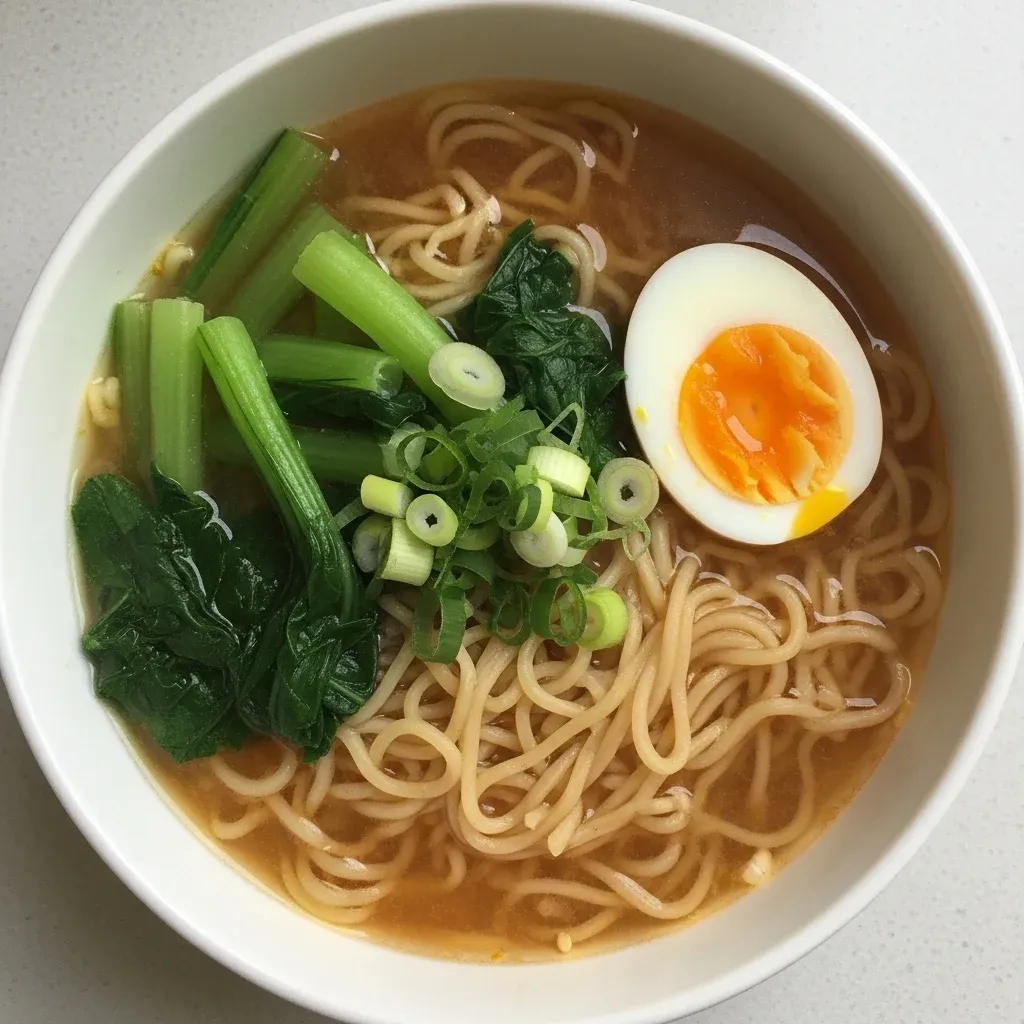
While Miso Ramen is a complete meal on its own, adding a healthy side dish can round out the dining experience. I love pairing this with a light, acidic side to cut through the richness of the miso.
- Smashed Cucumber Salad: A quick salad with rice vinegar, sesame seeds, and a dash of chili flakes provides a refreshing crunch.
- Roasted Edamame: Toss frozen edamame with sea salt and garlic powder, then roast at 400°F until crispy. This adds extra protein and a fun texture.
- Steamed Gyoza: If you have a few extra minutes, steam some vegetable or shrimp gyoza. They are the classic companion to any ramen bowl.
- Pickled Ginger: A small side of pickled ginger helps cleanse the palate between savory bites of the Miso Ramen.
- Seared Bok Choy: If you didn’t put enough greens in the soup, sear some extra bok choy with a splash of soy sauce for a fibrous side dish.
While Miso Ramen is satisfying on its own, pairing it with a light side can elevate your meal. Consider adding a quick and nutritious dish like our Bok Choy Stir Fry to complement the rich flavors of the ramen.
FAQs
What is the best type of miso for ramen?
For a standard Miso Ramen, I recommend using Shiro (white) miso or Awase (a blend of white and red). White miso is sweeter and lighter, making it perfect for a 30-minute meal. Red miso is much stronger and saltier; use it sparingly if you prefer a very bold, pungent broth.
Can I make this recipe vegan?
Absolutely! To make a vegan Miso Ramen, simply use a high-quality vegetable broth or a kombu-based dashi. Replace the egg with pan-seared smoked tofu or extra mushrooms (like shiitake) for that essential umami flavor. Ensure your ramen noodles are egg-free, as most dried varieties are.
How do I get the perfect soft-boiled egg?
The “6-minute egg” is the golden standard. Bring a pot of water to a boil, gently lower the eggs in, and boil for exactly 6 to 6.5 minutes. Immediately transfer them to an ice bath for 5 minutes. This stops the cooking process and ensures a runny, jammy yolk for your Miso Ramen.
Miso Ramen is a beloved dish that hails from Japan, known for its savory and rich flavor profile. This noodle soup features a miso-based broth, which contributes to its unique and hearty taste, making it a favorite among ramen enthusiasts and culinary explorers alike.
Nutrition Information (per serving)
This nutritional profile assumes one standard serving of Miso Ramen with a soft-boiled egg and assorted vegetables. Note that sodium levels can vary significantly based on the brand of broth and miso paste you choose.
| Metric | Amount Per Serving |
|---|---|
| Calories | 450 kcal |
| Total Fat | 14g |
| Saturated Fat | 3g |
| Cholesterol | 185mg |
| Sodium | 1,200mg |
| Total Carbohydrates | 58g |
| Dietary Fiber | 4g |
| Sugars | 5g |
| Protein | 22g |
Cooking a high-quality Miso Ramen doesn’t have to be a daunting task. By using these efficient techniques and focusing on bold flavors, you can enjoy a nourishing, restaurant-style bowl in the comfort of your own home. Remember to stay organized, prep your toppings while the broth simmers, and never let the miso boil.
You have successfully mastered the art of the 30-minute ramen! Enjoy your meal and take pride in the fact that you fed yourself something delicious and fast.
Print
Miso Ramen
- Total Time: 30 mins
- Yield: 2 servings 1x
- Diet: Vegetarian
Description
A quick and easy Miso Ramen recipe that delivers rich flavor in under 30 minutes, using pantry staples and offering a customizable experience.
Ingredients
2 bundles Ramen noodles
1 tbsp Fresh ginger (grated)
3 cloves Garlic (minced)
4 cups Low-sodium chicken or vegetable broth
3–4 tbsp White or Awase (mixed) Miso paste
1 tbsp Sesame oil
1 tsp Soy sauce
Soft-boiled eggs, tofu, or sliced pork/chicken (as desired)
2 cups Baby bok choy, corn kernels, and green onions (total)
Instructions
- Heat the sesame oil in a large pot over medium heat. Add the minced garlic and grated ginger. Stir constantly for about 1 minute until fragrant
- Pour the chicken or vegetable broth into the pot. Add the soy sauce and a tiny pinch of sugar. Bring to a gentle simmer
- Take a small bowl and ladle out about half a cup of warm broth. Add the miso paste and whisk until smooth. Pour this slurry back into the main pot
- In a separate pot, cook the ramen noodles according to package instructions, usually 2-4 minutes. Drain immediately
- During the last minute of broth simmering, toss in your bok choy or spinach and wilt for about 60 seconds
- Divide the cooked noodles into bowls, pour hot broth over, and add desired toppings
Notes
Never boil the miso. Always add it at the end of the cooking process.
Use an aromatic oil for finishing, like chili oil or extra sesame oil.
- Prep Time: 10 mins
- Cook Time: 20 mins
- Category: Dinner
- Method: One-Pot Cooking
- Cuisine: Japanese
Nutrition
- Serving Size: 1 bowl
- Calories: 450 kcal
- Sugar: 5 g
- Sodium: 1200 mg
- Fat: 14 g
- Saturated Fat: 3 g
- Unsaturated Fat: 11 g
- Trans Fat: 0 g
- Carbohydrates: 58 g
- Fiber: 4 g
- Protein: 22 g
- Cholesterol: 185 mg