
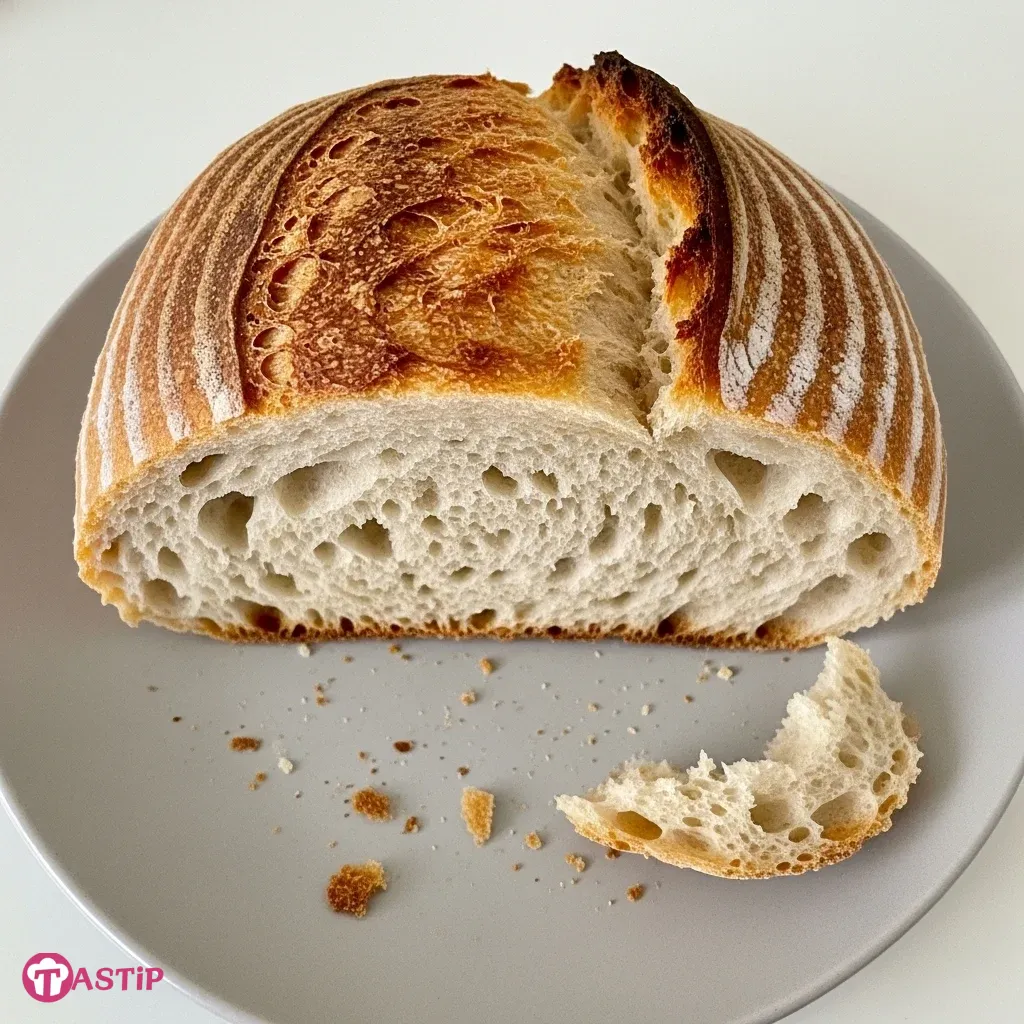
Making your own Sourdough Starter Recipe is a transformative culinary experience that merges microbiology with the art of baking. By harnessing wild yeast and lactic acid bacteria from the air and your flour, you create a living culture that produces unparalleled flavor and texture. This recipe yields a starter with a complex, tangy profile and a robust ability to leaven heavy doughs.
You will notice a significant improvement in your bread’s crumb structure and crust development compared to commercial yeast. Understanding the fermentation process allows you to master the nuances of sourdough baking at home. Let us dive into the science behind this foundational Sourdough Starter Recipe.
Why You’ll Love This Sourdough Starter Recipe
- Unmatched Depth of Flavor: Naturally occurring bacteria create organic acids that provide a complex tang you cannot find in store-bought bread.
- Enhanced Digestibility: The long fermentation process breaks down gluten and phytic acid, making the final bread gentler on your digestive system.
- Sustainable Culinary Heirloom: Once established, this Sourdough Starter Recipe can live for decades, becoming a reliable staple in your kitchen.
Ingredients You’ll Need
To ensure success with this Sourdough Starter Recipe, you must prioritize the quality of your base ingredients. Specifically, the flour provides the food source for the yeast, while the water acts as the medium for biological activity. Use unbleached flour to avoid chemicals that might inhibit microbial growth.
| Ingredient | Quantity | Purpose |
|---|---|---|
| Unbleached All-Purpose Flour | 500g (Total for week 1) | Primary carbohydrate source for yeast. |
| Whole Wheat or Rye Flour | 100g (For Day 1) | Introduces a diverse range of wild microbes. |
| Filtered Water | ~600ml (Total for week 1) | Hydrates flour and facilitates fermentation. |
Substitutions & Variations
While the standard Sourdough Starter Recipe calls for wheat flour, you can adapt it to suit your nutritional preferences or pantry availability. Always choose minimally processed options to maintain the health of the culture.
- Rye Flour Swap: Use 100% dark rye flour for a more vigorous fermentation and an earthy, spicy flavor profile.
- Gluten-Free Alternative: Substitute the wheat flour with brown rice flour or buckwheat flour, though the fermentation timing may vary slightly.
- Spelt Flour Variation: Use spelt flour for an ancient grain twist that offers a milder, nuttier taste than traditional wheat.
If you’re exploring alternatives to traditional wheat flour, consider how effective dark rye flour can be for your sourdough starter; it offers a more robust fermentation process. To learn how to create delicious bread using this flour, check out our Sourdough Bread recipe.
Step-by-Step Instructions
Creating a Sourdough Starter Recipe requires patience and precision. You are essentially farming microscopic organisms, so consistency is your best friend during this seven-day journey.
- Day 1: The Initial Inoculation. Combine 50 grams of whole wheat flour and 50 grams of warm filtered water (about 80°F) in a clean glass jar. Stir vigorously until no dry clumps remain. Cover loosely with a cloth or a lid that is not airtight.
- Day 2: Observation. Check your mixture for any small bubbles. Even if you see no activity, discard half of the mixture (about 50g) and add 50 grams of unbleached all-purpose flour and 50 grams of filtered water. Stir well.
- Day 3: The First Signs of Life. You should see some bubbling and smell a slightly fruity or sour aroma. Discard all but 50 grams of the starter. Feed it 50 grams of flour and 50 grams of water. Repeat this every 24 hours.
- Day 4 through 6: Strengthening the Culture. The mixture will begin to rise and fall predictably. Continue the daily discard and feed cycle using 50g starter, 50g flour, and 50g water. The Sourdough Starter Recipe is becoming more stable.
- Day 7: The Final Ripening. Your starter should now double in size within 4 to 6 hours of feeding. It should smell pleasantly yeasty and tangy. It is now ready for use in your first loaf of bread.
Pro Tips for Success
As a former test kitchen chef, I cannot stress enough how much temperature affects this Sourdough Starter Recipe. Yeast thrives in warm environments, ideally between 70°F and 75°F. If your kitchen is cold, your starter will develop slowly. Conversely, a kitchen that is too hot may cause the starter to consume its food too quickly, leading to an overly acidic environment that can weaken the yeast.
Always use a digital scale. Measuring by volume (cups) is notoriously inaccurate because flour density changes based on how you scoop it. For a reliable Sourdough Starter Recipe, a 1:1 ratio by weight of flour and water ensures the perfect hydration level.
Furthermore, ensure your water is filtered. Chlorine in municipal tap water can kill the delicate wild yeast you are trying to cultivate.
Pay attention to the “discard” phase. Many beginners feel guilty throwing away half the starter, but this step is vital. If you do not discard, the acidity levels will rise too high, eventually stalling the fermentation process. You can use the discard in secondary recipes like crackers or pancakes to avoid waste.
Temperature control is vital for thriving sourdough cultures, and adapting your environment can lead to better fermentation. For a delightful recipe that makes the most of your starter, look at our Sourdough Croissant Loaf.
Storage & Maintenance Tips
Once you have established your Sourdough Starter Recipe, you do not need to feed it daily unless you bake every day. For the casual baker, storage in the refrigerator is the most efficient method. Simply feed the starter, let it sit at room temperature for an hour to kickstart activity, and then place it in the fridge. You only need to feed it once a week to keep it healthy.
If you plan to bake, take the starter out of the fridge 24 hours in advance. Perform two feedings to “wake up” the yeast and ensure it is at peak activity. If you notice a clear or grey liquid forming on top (known as hooch), do not panic.
This is simply a byproduct of fermentation indicating that your starter is hungry. Pour it off or stir it back in, then proceed with a regular feeding. This Sourdough Starter Recipe is remarkably resilient once it matures.
What to Serve With This Recipe
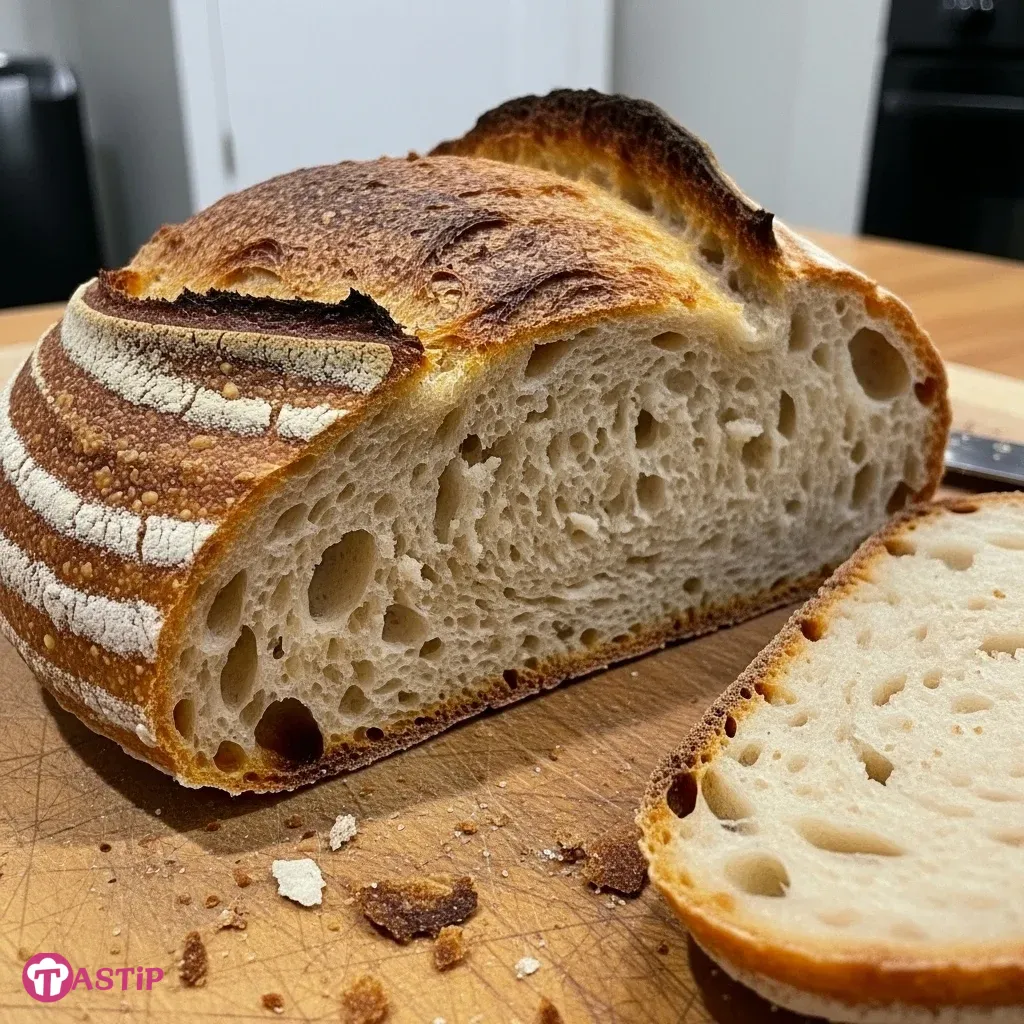
The bread you create from this Sourdough Starter Recipe serves as the perfect vessel for healthy, nutrient-dense meals. Its sturdy structure and tangy flavor complement a wide variety of fresh ingredients.
- Roasted Vegetable Tartines: Toast a thick slice of sourdough and top it with balsamic-roasted bell peppers, zucchini, and a smear of goat cheese.
- Fresh Kale and Quinoa Salads: Serve a side of toasted sourdough croutons made from your bake to add a satisfying crunch to leafy greens.
- Hearty Tomato Basil Soup: Use the bread to make grilled cheese sandwiches using sharp cheddar and fresh basil for a classic, healthy comfort meal.
Using your freshly made sourdough starter, the possibilities for meals are endless, highlighting its versatility. For a wonderful way to enjoy your bread, check out our recipe for Sourdough Bread.
FAQs
How do I know if my Sourdough Starter Recipe is ready to use?
Perform the “float test.” Take a small teaspoon of your active starter (when it has doubled in size) and drop it into a glass of water. If it floats, the carbon dioxide content is high enough, meaning the yeast is active and ready to leaven bread. If it sinks, it needs more time or another feeding.
What should I do if my starter smells like vinegar or nail polish remover?
This sharp scent indicates that the bacteria have produced excess acetic acid, usually because the starter is hungry or the temperature is too high. Increase your feeding frequency to twice a day for 48 hours. This will balance the pH and return the Sourdough Starter Recipe to a sweet, yeasty aroma.
Can I use bleached flour for this Sourdough Starter Recipe?
I strongly recommend against it. Bleaching agents like benzoyl peroxide can interfere with the delicate balance of wild yeast and beneficial bacteria. For the most robust and healthy culture, always stick to unbleached or organic flours.
The process of creating a sourdough starter bridges the gap between art and science in baking, offering a fascinating glimpse into the world of fermentation. You can explore the chemistry of this culinary technique further through this link.
Nutrition Information (per 100g serving)
While the nutritional profile changes slightly based on the flour used, a standard Sourdough Starter Recipe provides a rich source of B-vitamins and minerals. The fermentation process increases the bioavailability of these nutrients.
| Metric | Amount |
|---|---|
| Calories | 160 kcal |
| Carbohydrates | 32g |
| Protein | 5g |
| Fiber | 2g |
| Fat | 0.5g |
Mastering the Sourdough Starter Recipe is the first step toward becoming a master baker. By understanding the biological needs of your culture, you gain control over the flavor and texture of your bread. Remember that your starter is a living thing; it responds to its environment and the care you provide.
With consistency and a bit of scientific curiosity, you will soon be baking artisanal loaves that far surpass anything found in a commercial bakery. Happy fermenting!
Print
Sourdough Starter Recipe
- Total Time: week
- Yield: 1 starter 1x
- Diet: Vegetarian
Description
Making your own Sourdough Starter Recipe is a transformative culinary experience that merges microbiology with the art of baking. By harnessing wild yeast and lactic acid bacteria from the air and your flour, you create a living culture that produces unparalleled flavor and texture.
Ingredients
100 g Whole Wheat Flour
500 g Unbleached All-Purpose Flour
600 ml Filtered Water
Instructions
- Day 1: Combine 50 grams of whole wheat flour and 50 grams of warm filtered water in a clean glass jar. Mix until no dry clumps remain and cover loosely
- Day 2: Check for bubbles. Discard half and add 50 grams of unbleached flour and 50 grams of filtered water. Stir well
- Day 3: If bubbling and a fruity aroma is present, discard all but 50 grams, then feed with 50 grams of flour and 50 grams of water
- Day 4-6: Continue daily discards and feedings, using 50g starter, 50g flour, and 50g water
- Day 7: Your starter should double in size within 4 to 6 hours of feeding and is now ready for use
Notes
Keep the starter in a warm place (70°F to 75°F) for optimal fermentation.
- Prep Time: 20 mins
- Cook Time: 0 mins
- Category: Baking
- Method: Fermentation
- Cuisine: American
Nutrition
- Serving Size: 1 tablespoon
- Calories: 160 kcal
- Sugar: 0 g
- Sodium: 2 mg
- Fat: 0.5 g
- Saturated Fat: 0 g
- Unsaturated Fat: 0.5 g
- Trans Fat: 0 g
- Carbohydrates: 32 g
- Fiber: 2 g
- Protein: 5 g
- Cholesterol: 0 mg