
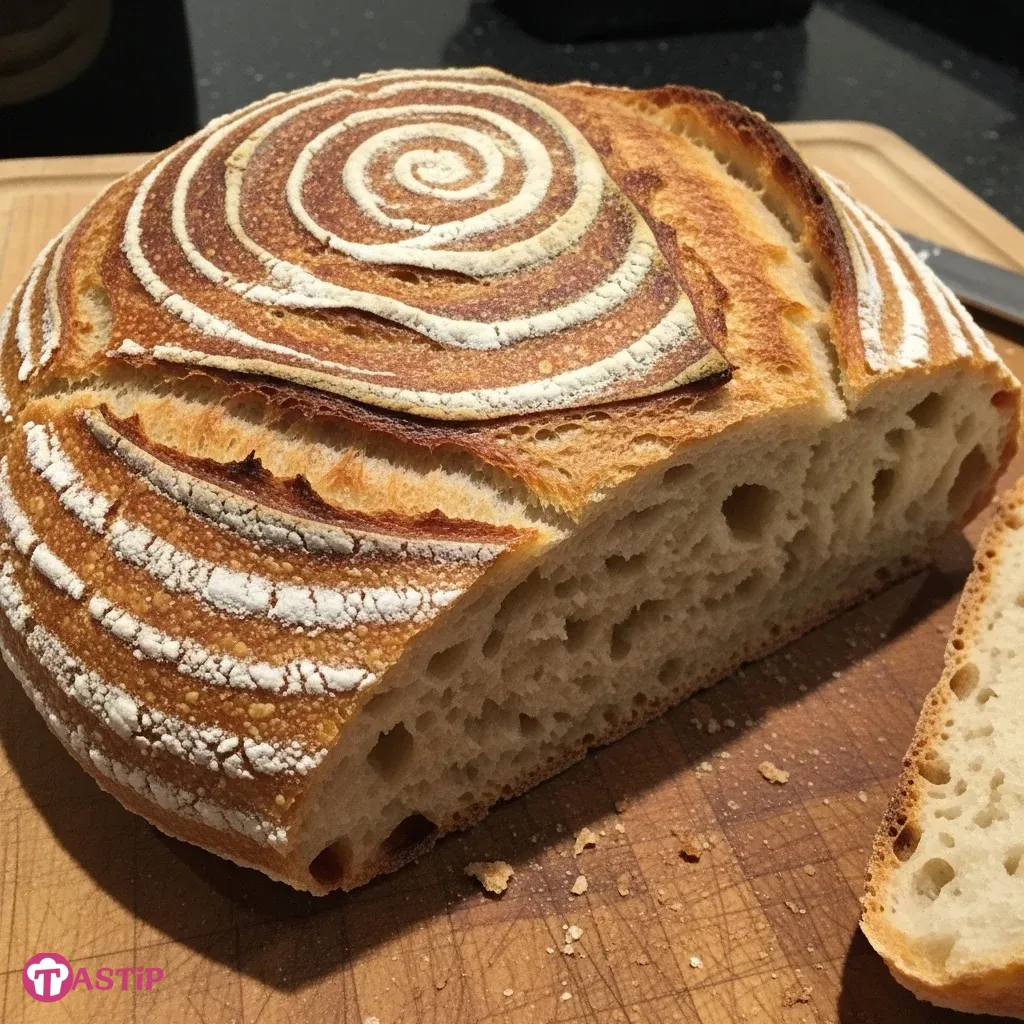
Ready to make your home-baked bread look like it came from a high-end French bakery? Mastering Sourdough Scoring Patterns is the fastest way to upgrade your baking game without adding hours to your schedule. You worked hard on your fermentation, so do not let your loaf burst in random places.
A quick, confident slice ensures a beautiful “ear” and a controlled rise. I love this technique because it adds a professional flair to your kitchen in under sixty seconds. You will achieve a crisp, thin crust and a stunning visual texture that impresses everyone at the table. Let’s dive into how these Sourdough Scoring Patterns transform your simple loaf into a masterpiece.
Why You’ll Love Sourdough Scoring Patterns
- Professional Aesthetics: These Sourdough Scoring Patterns give your bread a signature look that rivals any artisan bakery.
- Controlled Expansion: Proper scoring prevents the crust from cracking in weak spots, ensuring a perfect shape every time.
- Creative Expression: You can customize your loaf with simple lines or intricate wheat stalks to suit any occasion or holiday.
- Quick Results: It takes less than a minute to execute these Sourdough Scoring Patterns, fitting perfectly into a busy lifestyle.
Ingredients You’ll Need
Success starts with the right foundation. When you are planning your Sourdough Scoring Patterns, the quality of your flour and the strength of your starter dictate the final outcome. Use high-protein bread flour to ensure the dough holds the intricate designs you create.
A well-hydrated dough responds best to sharp blades, so keep your hydration levels consistent. Remember, you do not need a pantry full of specialized items—just high-quality basics and a very sharp tool.
| Ingredient | Amount | Purpose |
|---|---|---|
| Active Sourdough Starter | 100g | Provides the natural lift and tang. |
| Bread Flour | 500g | Creates the gluten structure for expansion. |
| Warm Water | 350g | Hydrates the flour for a supple dough. |
| Sea Salt | 10g | Enhances flavor and regulates fermentation. |
| Rice Flour | 2 tbsp | Prevents sticking and makes patterns pop. |
Substitutions & Variations
If you want to shake things up, try swapping out 100 grams of bread flour for whole wheat or rye flour. This adds a nutty depth to your bread, though it may slightly change how your Sourdough Scoring Patterns look due to the different gluten levels. For a healthier twist, mix in flaxseeds or chia seeds during the final fold.
You can also dust the top of your loaf with dark cocoa powder or turmeric before scoring to create high-contrast Sourdough Scoring Patterns that really stand out. If you lack a professional bread lame, a brand-new, clean razor blade or even a very sharp utility knife works in a pinch. Just ensure the blade is extremely thin to avoid dragging the dough.
If you’re looking to enhance the flavor of your sourdough, consider experimenting with different flours. For more creative options, check out Flavored Sourdough Bread that can complement your scoring patterns wonderfully.
Step-by-Step Instructions for Sourdough Scoring Patterns
- Chill the Dough: Place your proofed dough in the refrigerator for at least 30 minutes before you begin. Cold dough is firmer, which makes executing Sourdough Scoring Patterns much easier and prevents the blade from snagging.
- Dust the Surface: Use a fine-mesh sieve to dust the top of your loaf with a thin, even layer of rice flour. This white coating provides the perfect canvas and creates a stunning contrast once the bread expands in the oven.
- Choose Your Design: Decide on your pattern before you touch the dough. For beginners, a simple “Cross” or “Square” is best. For those more experienced, try the “Wheat Stalk” or “Spiral” Sourdough Scoring Patterns.
- The Primary Score: Make one deep “expansion cut” about half an inch deep. This is the most important part of all Sourdough Scoring Patterns as it directs the steam and allows the bread to grow without bursting.
- Decorative Scoring: Use the very tip of your blade to make shallow, decorative cuts around the primary score. These should only be about 1/8th of an inch deep. These light touches create the intricate beauty of your Sourdough Scoring Patterns.
- Bake Immediately: Load the dough into a preheated Dutch oven right away. The heat hit needs to be instant to set the Sourdough Scoring Patterns before the dough relaxes.
Pro Tips for Success
Efficiency is key when you have a busy schedule, so keep your tools organized. A dull blade is your worst enemy; it will tear the dough rather than slice it. Change your razor blade every 3-4 loaves to ensure clean lines for your Sourdough Scoring Patterns.
Always hold the blade at a slight 30-degree angle for the expansion cut to encourage that coveted “ear” or crusty flap. If the dough feels too sticky, you likely over-proofed it, which makes intricate Sourdough Scoring Patterns difficult. In that case, stick to one single, quick slash.
Remember, confidence is everything. Move your hand with a swift, fluid motion. Hesitation leads to jagged edges, while a fast stroke results in professional Sourdough Scoring Patterns.
Another trick I use is the “steam effect.” If you are not using a Dutch oven, place a tray of boiling water at the bottom of your oven. The steam keeps the surface of the dough moist, allowing the Sourdough Scoring Patterns to open up fully before the crust hardens. Without steam, your beautiful designs might stay tight and small.
Also, try using a stencil! You can lay a stencil over the dough, dust it with flour, and then score around the flour marks for a very high-end look. This is a great shortcut for those who feel they lack artistic skills but still want gorgeous Sourdough Scoring Patterns.
Having the right tools can make a significant difference in your scoring technique. For creative scoring inspirations, refer to Sourdough Score Ideas to elevate your artistry.
Storage & Reheating Tips
Once your bread is baked and cooled, you want to preserve those beautiful Sourdough Scoring Patterns. Store the loaf cut-side down on a wooden cutting board for the first 24 hours to keep the crust crisp. If you need to store it longer, wrap it in a breathable linen bag or a brown paper bag.
Never put fresh sourdough in a plastic bag, as the moisture will soften the crust and ruin the texture of your Sourdough Scoring Patterns. To reheat, simply pop a slice in the toaster. If you want to refresh the whole loaf, mist it lightly with water and bake at 350°F for about 10 minutes. The crust will crisp back up, and your Sourdough Scoring Patterns will look as good as new.
What to Serve With This Recipe
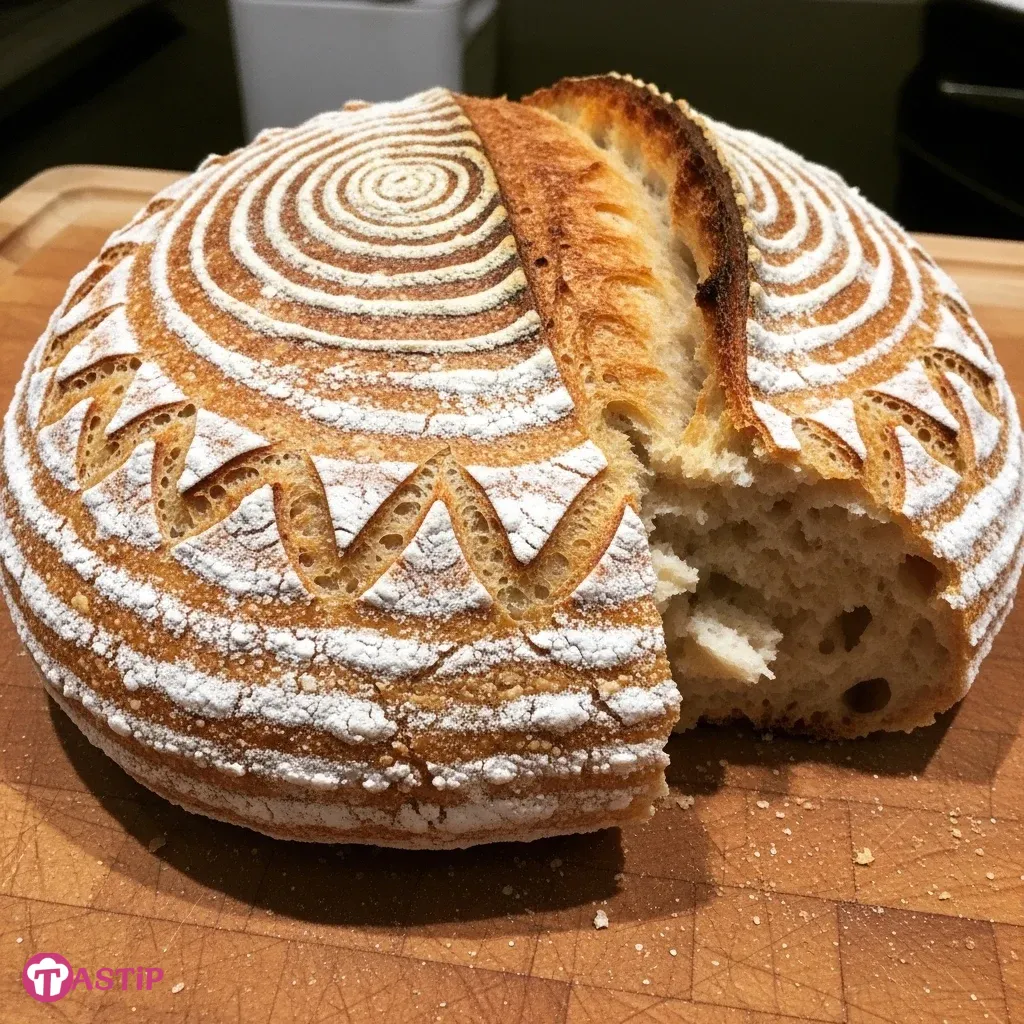
Artisan bread deserves a great side dish. I love serving a freshly scored loaf with a bright, seasonal salad or a hearty bowl of roasted vegetables. Because the Sourdough Scoring Patterns make the bread look so festive, it serves as a great centerpiece for a dinner party.
Dip the crusty edges into a high-quality olive oil infused with rosemary and garlic. For a quick lunch, use thick slices for an avocado toast topped with microgreens. The ridges created by your Sourdough Scoring Patterns provide a fantastic crunch that pairs perfectly with soft toppings. You can also serve it alongside a warm vegetable soup; the thick crust is perfect for soaking up every drop of broth.
Pairing your artisan bread with the perfect side can enhance the dining experience. Consider making a delicious Sourdough Croissant Bread Loaf to complement your beautifully scored loaf at your next meal.
FAQs
How deep should I cut for the best Sourdough Scoring Patterns?
Your primary expansion cut should be about 1/2 inch deep. This allows the bread to expand fully in the oven. For the smaller, decorative parts of your Sourdough Scoring Patterns, you should only cut about 1/8 inch deep. If you cut too deep on the decorative lines, the loaf might lose its shape or collapse.
Can I use a kitchen knife for Sourdough Scoring Patterns?
While a professional bread lame is ideal, you can use a very sharp paring knife. The key is the sharpness and the thickness of the blade. Most kitchen knives are too thick and will drag through the dough. If you must use a knife, ensure you hone it first to get the cleanest Sourdough Scoring Patterns possible.
Why did my Sourdough Scoring Patterns disappear during baking?
This usually happens due to under-proofing or a lack of steam in the oven. If the dough has too much internal pressure, it will “blow out” and distort your Sourdough Scoring Patterns. Ensure your oven is properly steamed and your dough has fermented long enough to hold its shape while expanding in a controlled manner.
Mastering Sourdough Scoring Patterns is an essential skill for bakers aiming for both aesthetic appeal and controlled dough expansion. These techniques, which can transform a simple loaf into a work of art, are described in more detail at this bread topic.
Nutrition Information (per serving)
This bread is a wholesome choice for any meal. Sourdough fermentation breaks down gluten and phytic acid, making it easier on the gut. Here is a breakdown for a standard slice (approx. 50g) of a loaf featuring these Sourdough Scoring Patterns.
| Nutrient | Amount per Serving |
|---|---|
| Calories | 185 kcal |
| Total Fat | 1g |
| Carbohydrates | 36g |
| Fiber | 2g |
| Protein | 6g |
| Sodium | 280mg |
Focusing on Sourdough Scoring Patterns is not just about looks; it is about the joy of creating something by hand. Even with a busy schedule, you can take a few seconds to add a touch of art to your daily bread. Keep it simple, keep it sharp, and most importantly, keep it fun! Your journey into mastering Sourdough Scoring Patterns will make every meal feel like a special occasion.
Print
Sourdough Scoring Patterns
- Total Time: 30 mins
- Yield: 1 loaf 1x
- Diet: Vegetarian
Description
Learn how to master Sourdough Scoring Patterns to elevate your home-baked bread to a professional level. Create beautiful designs while ensuring controlled expansion and a stunning crust.
Ingredients
100g Active Sourdough Starter
500g Bread Flour
350g Warm Water
10g Sea Salt
2 tbsp Rice Flour
Instructions
- Chill the dough in the refrigerator for at least 30 minutes
- Dust the surface with a thin layer of rice flour
- Decide on your desired scoring patter
- Make one deep 'expansion cut' about half an inch deep
- Use the tip of the blade to make shallow decorative cuts
- Bake immediately in a preheated Dutch ove
Notes
A dull blade will tear the dough; replace your blade every 3-4 loaves.
Using steam can enhance the expansion of your scoring patterns.
- Prep Time: 20 mins
- Cook Time: 10 mins
- Category: Baking
- Method: Baking
- Cuisine: American
Nutrition
- Serving Size: 1 slice
- Calories: 185 kcal
- Sugar: 0g
- Sodium: 280mg
- Fat: 1g
- Saturated Fat: 0g
- Unsaturated Fat: 1g
- Trans Fat: 0g
- Carbohydrates: 36g
- Fiber: 2g
- Protein: 6g
- Cholesterol: 0mg