
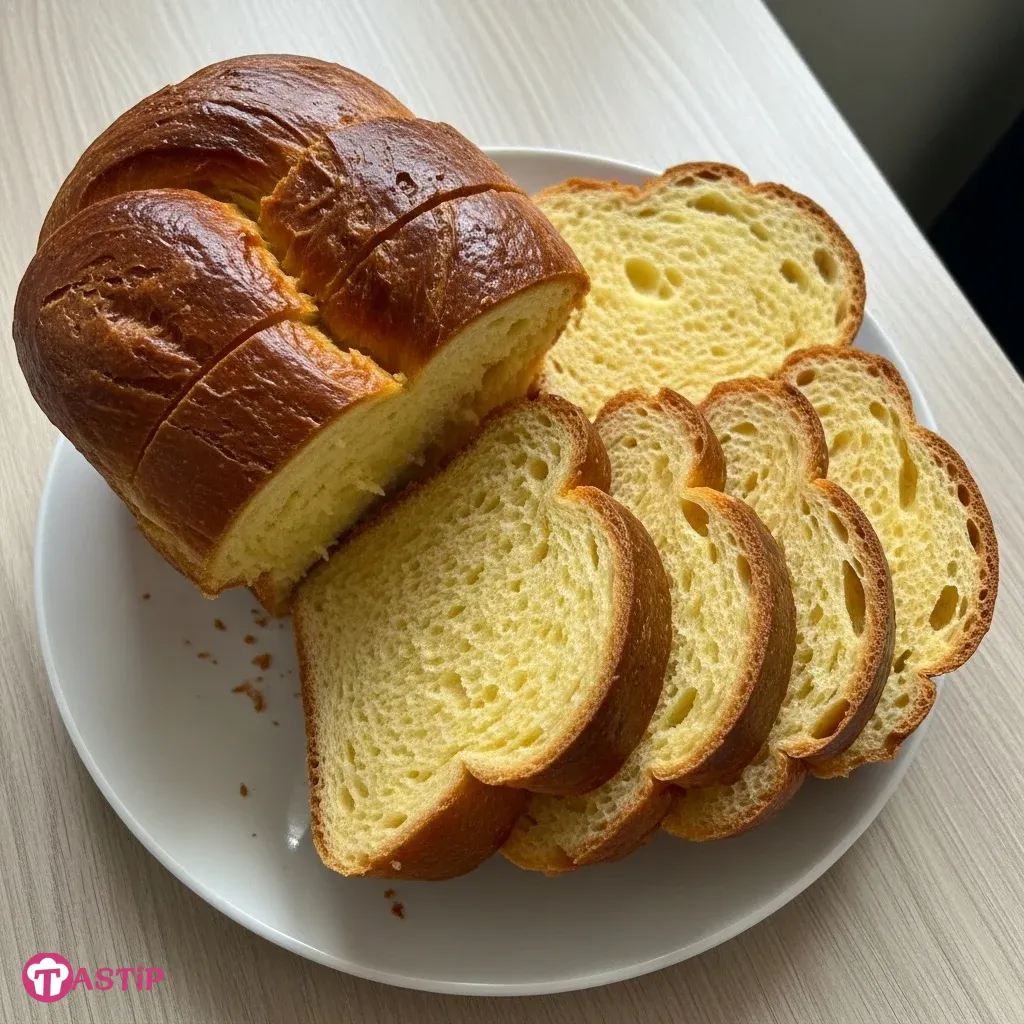
Stop settling for dry, store-bought loaves and start baking the most luxurious bread of your life right in your own kitchen. This Classic Brioche Bread Recipe delivers a pillowy, buttery, and golden-brown result that rivals any high-end French bakery. You might think yeast bread requires hours of hovering, but I designed this version for the busy professional who values efficiency.
We use high-impact techniques to develop deep flavor and a perfect crumb without the unnecessary fuss. Every bite offers a rich sweetness and a melt-in-your-mouth texture that makes every meal feel like a special occasion. If you want a reliable, impressive staple for your weekend meal prep, this Classic Brioche Bread Recipe is the ultimate solution.
Why You’ll Love This Classic Brioche Bread Recipe
- Incredible Versatility: This bread works perfectly for savory sandwiches, decadent French toast, or simply toasted with a smear of high-quality jam.
- Efficient Workflow: We use a stand mixer to do the heavy lifting, ensuring you get professional results with minimal physical effort.
- Rich Nutritional Profile: Unlike standard white bread, this Classic Brioche Bread Recipe includes protein-rich eggs and healthy fats that keep you satisfied longer.
Ingredients You’ll Need
Success in baking starts with high-quality components, so do not cut corners on your staples. For this Classic Brioche Bread Recipe, you need ingredients that provide both structure and richness.
- Bread Flour: Use a high-protein bread flour rather than all-purpose flour to ensure your loaf has the strength to rise high and hold its shape.
- Active Dry Yeast: Always check the expiration date on your yeast to ensure a vigorous rise.
- Unsalted Butter: Choose a high-fat European-style butter if possible, as the flavor of the butter truly shines in this Classic Brioche Bread Recipe.
- Whole Milk: The fat content in whole milk contributes to the tender crumb and soft crust.
- Large Eggs: Ensure your eggs are at room temperature so they incorporate seamlessly into the dough.
- Granulated Sugar: A small amount feeds the yeast and provides that signature subtle sweetness.
- Sea Salt: Fine sea salt regulates the yeast activity and enhances the buttery flavor profile.
Substitutions & Variations
While I love the traditional version, you can easily adapt this Classic Brioche Bread Recipe to fit your specific dietary preferences or health goals. Making smart swaps allows you to enjoy this treat while staying on track with your lifestyle.
- Whole Wheat Swap: Replace up to 30% of the bread flour with whole wheat pastry flour to add fiber without making the bread too dense or heavy.
- Natural Sweeteners: You can substitute the granulated sugar with honey or maple syrup for a more complex flavor profile and a slightly healthier refined-sugar-free option.
- Lightened Butter: If you want to reduce the saturated fat, you can use a high-quality olive oil-based butter spread, though the texture of the Classic Brioche Bread Recipe will be slightly less fluffy.
- Dairy-Free Option: Use unsweetened almond milk or oat milk in place of the whole milk for a lighter version that still tastes fantastic.
For those looking to customize their baking experience, this Classic Brioche Bread recipe provides multiple options for healthier ingredients. Discover how to make these smart swaps by visiting Classic Brioche Bread.
Step-by-Step Instructions
- Bloom the Yeast: Start by warming your milk to about 105 degrees Fahrenheit. In the bowl of your stand mixer, combine the warm milk, sugar, and yeast. Let it sit for about 5 to 10 minutes until it becomes frothy and active.
- Mix the Base: Add the eggs and half of the bread flour to the yeast mixture. Using the paddle attachment on low speed, mix until a shaggy dough begins to form. This step ensures the liquid and flour hydrate properly before we add the heavy fats.
- Incorporate the Salt and Remaining Flour: Add the salt and the rest of the bread flour. Switch to the dough hook attachment and knead on medium-low speed for about 5 minutes. The dough should look smooth but will still be quite sticky at this stage of the Classic Brioche Bread Recipe.
- Add the Butter: This is the secret to a perfect Classic Brioche Bread Recipe. With the mixer running, add the softened butter one tablespoon at a time. Wait until each piece is fully incorporated before adding the next. This takes patience, but it builds the magnificent structure brioche is known for.
- The Long Knead: Continue kneading the dough for another 10 to 12 minutes. You want the dough to pull away from the sides of the bowl and pass the “windowpane test,” meaning you can stretch a small piece of dough thin enough to see light through it without it tearing.
- First Rise: Place the dough in a lightly greased bowl and cover it with a clean kitchen towel. Let it rise in a warm, draft-free spot for about 1 to 2 hours, or until it has doubled in size.
- Shape the Loaf: Gently punch down the dough to release the air. Divide it into three equal pieces and roll them into smooth balls. Place them side-by-side in a greased 9×5-inch loaf pan.
- Second Rise: Cover the pan and let the dough rise again for about 45 to 60 minutes. It should rise just above the rim of the pan. Preheat your oven to 350 degrees Fahrenheit during this time.
- Bake to Perfection: Brush the top of the loaf with a simple egg wash (one egg beaten with a splash of water) for a shiny finish. Bake for 30 to 35 minutes until the Classic Brioche Bread Recipe is deep golden brown and sounds hollow when tapped on the bottom.
- Cool Thoroughly: Remove the bread from the pan immediately and let it cool on a wire rack. Cutting into hot brioche will squash the delicate air pockets, so wait at least 30 minutes.
Pro Tips for Success
Achieving the perfect Classic Brioche Bread Recipe requires a little bit of technical finesse. First, always use room temperature ingredients. If your eggs or butter are too cold, they will shock the yeast and slow down the rising process significantly.
Second, do not rush the butter incorporation. Adding the butter too quickly can break the emulsion and leave you with a greasy, heavy dough instead of a light and airy one. Third, pay attention to the environment.
If your kitchen is cold, your Classic Brioche Bread Recipe might take much longer to rise. You can create a makeshift proofing box by placing the dough in an unlit oven with a bowl of boiling water on the rack below it. Finally, use a digital thermometer to check for doneness.
The internal temperature of a perfectly baked brioche should be between 190 and 200 degrees Fahrenheit. This ensures the center is fully cooked without drying out the exterior.
Perfecting your Classic Brioche requires attention to detail and some technical finesse. To enhance your cooking skills further, you can learn more about pivotal techniques by checking out Classic Pot Roast.
Storage & Reheating Tips
Because this Classic Brioche Bread Recipe contains a high amount of butter and eggs, it stays fresh longer than lean breads, but you still need to store it properly. Keep the cooled loaf in an airtight bag or container at room temperature for up to three days. For longer storage, I highly recommend freezing.
Slice the bread first, place parchment paper between the slices, and store them in a heavy-duty freezer bag for up to three months. When you are ready to eat, you can pop a frozen slice directly into the toaster. To reheat a whole loaf from this Classic Brioche Bread Recipe, wrap it in aluminum foil and warm it in a 325-degree oven for about 10 minutes to restore that “just-baked” softness and aroma.
What to Serve With This Recipe
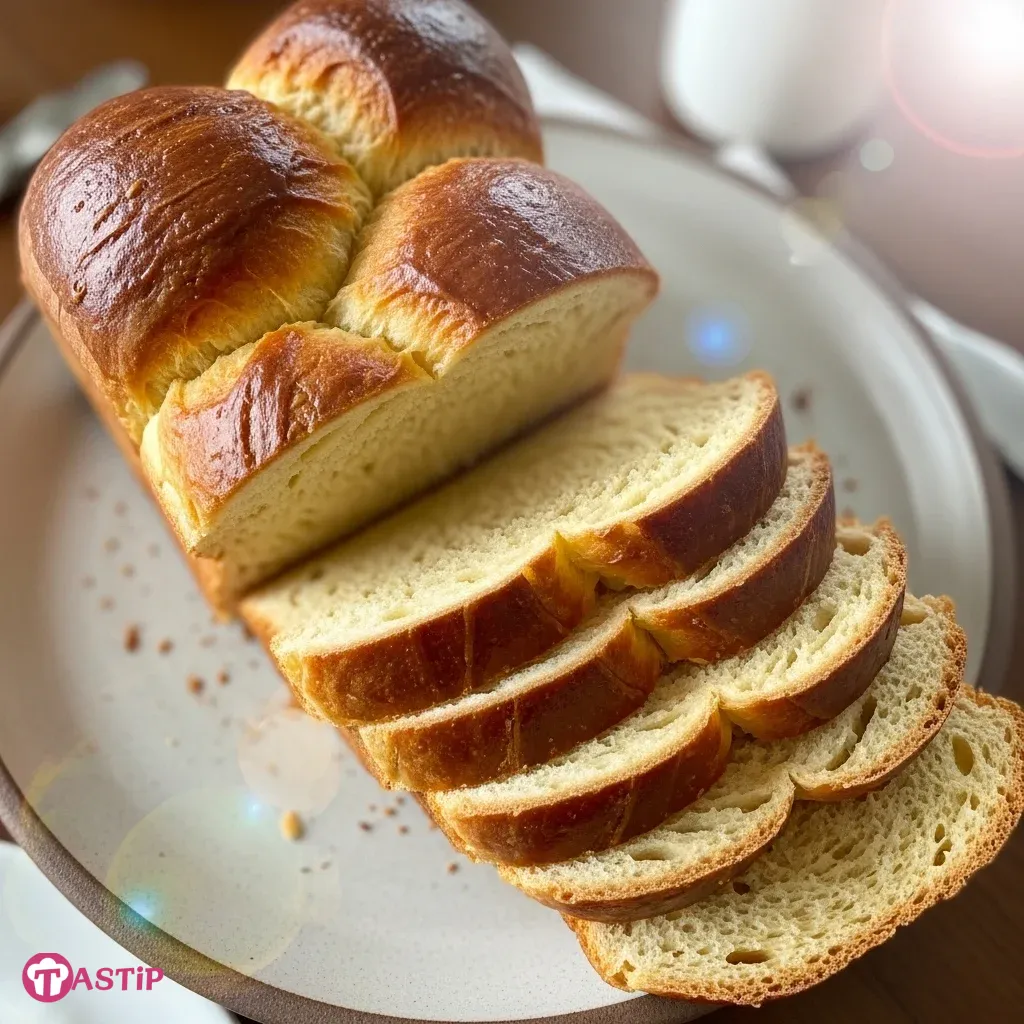
While it is tempting to eat this Classic Brioche Bread Recipe straight from the cooling rack, it pairs beautifully with healthy, vibrant sides. I love serving thick slices alongside a crisp Arugula and Lemon Salad topped with shaved parmesan to balance the richness of the bread. It also makes an incredible base for avocado toast topped with microgreens and a squeeze of lime.
If you are serving this for dinner, try pairing a toasted slice with Roasted Root Vegetables like carrots and parsnips drizzled with balsamic glaze. The sweetness of the roasted veggies complements the buttery notes of the Classic Brioche Bread Recipe perfectly. For a protein-packed lunch, use the bread for a turkey and sprout sandwich with a side of steamed broccoli.
While brioche can be enjoyed on its own, pairing it with fresh sides elevates the dish. For an incredible dessert option to round out your meal, explore this delightful Classic Chocolate Layer Cake with Buttercream Frosting.
FAQs
Can I make this Classic Brioche Bread Recipe by hand?
Technically, yes, you can knead this dough by hand, but be prepared for a serious workout. Brioche dough is very sticky due to the high fat and moisture content. It takes significant manual labor to develop the gluten while incorporating the butter. If you choose to do it by hand, use a bench scraper to help manage the dough and avoid adding too much extra flour, which would make the Classic Brioche Bread Recipe tough and dry.
What if my dough doesn’t rise?
If your Classic Brioche Bread Recipe fails to rise, the most common culprit is dead yeast. Always ensure your liquid is warm but not hot; anything over 120 degrees Fahrenheit will kill the yeast instantly. Also, check that your salt didn’t come into direct contact with the yeast before mixing, as salt can inhibit yeast activity in high concentrations.
Finally, give it more time. High-fat doughs like brioche rise much more slowly than standard doughs.
Can I let the dough rise overnight in the fridge?
Absolutely! In fact, a cold ferment actually improves the flavor and texture of this Classic Brioche Bread Recipe. After the initial mixing and the first rise at room temperature for about 30 minutes, you can punch it down and put it in the fridge for 8 to 12 hours.
The cold temperature firms up the butter, making the dough much easier to shape the next morning. Just be sure to let it come back to room temperature and finish its second rise before baking.
This luxurious bread is renowned for its rich flavor and soft texture, making it a favorite in numerous recipes. The preparation of brioche often involves techniques that highlight both its sweetness and versatility, making it suitable for various culinary applications such as sandwiches or desserts. For a detailed history, delve into the world of this exquisite bread by exploring its significance in baking.
Nutrition Information (per serving)
This Classic Brioche Bread Recipe makes approximately 12 generous slices. The following table provides the estimated nutritional breakdown per slice.
| Nutrient | Amount Per Serving |
|---|---|
| Calories | 210 kcal |
| Total Fat | 11g |
| Saturated Fat | 7g |
| Cholesterol | 55mg |
| Sodium | 180mg |
| Total Carbohydrates | 22g |
| Dietary Fiber | 1g |
| Sugars | 3g |
| Protein | 5g |

Classic Brioche Bread Recipe
- Total Time: 2 hours 20 mins
- Yield: 12 servings 1x
- Diet: Vegetarian
Description
This Classic Brioche Bread Recipe delivers a pillowy, buttery, and golden-brown loaf that rivals any high-end French bakery. Designed for busy professionals, this recipe offers deep flavor and a perfect crumb with minimal fuss. Each bite delivers rich sweetness and melt-in-your-mouth texture, making every meal feel special.
Ingredients
4 cups Bread Flour
2 1/4 teaspoons Active Dry Yeast
1/2 cup Granulated Sugar
4 Large Eggs
1 teaspoon Sea Salt
1 cup Whole Milk
1 cup Unsalted Butter
Instructions
- Warm the milk to about 105 degrees Fahrenheit, combine it with sugar and yeast in a stand mixer, and let it sit for 5 to 10 minutes until frothy
- Add the eggs and half the bread flour, then mix on low speed until a shaggy dough forms
- Incorporate the salt and remaining flour, switch to the dough hook, and knead on medium-low for about 5 minutes
- Add softened butter one tablespoon at a time while mixing, then continue kneading for another 10 to 12 minutes
- Place the dough in a greased bowl, cover it, and let it rise in a warm spot for 1 to 2 hours until doubled in size
- Punch down the dough, divide it into three pieces, and shape into balls in a greased loaf pa
- Cover and let rise for 45 to 60 minutes, then preheat the oven to 350 degrees Fahrenheit
- Brush the loaf with an egg wash and bake for 30 to 35 minutes until golden brown and hollow-sounding
- Cool on a wire rack before slicing
Notes
For best results, use room temperature ingredients and allow proper rising times.
- Prep Time: 20 mins
- Cook Time: 30 mins
- Category: Bread
- Method: Baking
- Cuisine: French
Nutrition
- Serving Size: 1 slice
- Calories: 210 kcal
- Sugar: 3g
- Sodium: 180mg
- Fat: 11g
- Saturated Fat: 7g
- Unsaturated Fat: N/A
- Trans Fat: N/A
- Carbohydrates: 22g
- Fiber: 1g
- Protein: 5g
- Cholesterol: 55mg